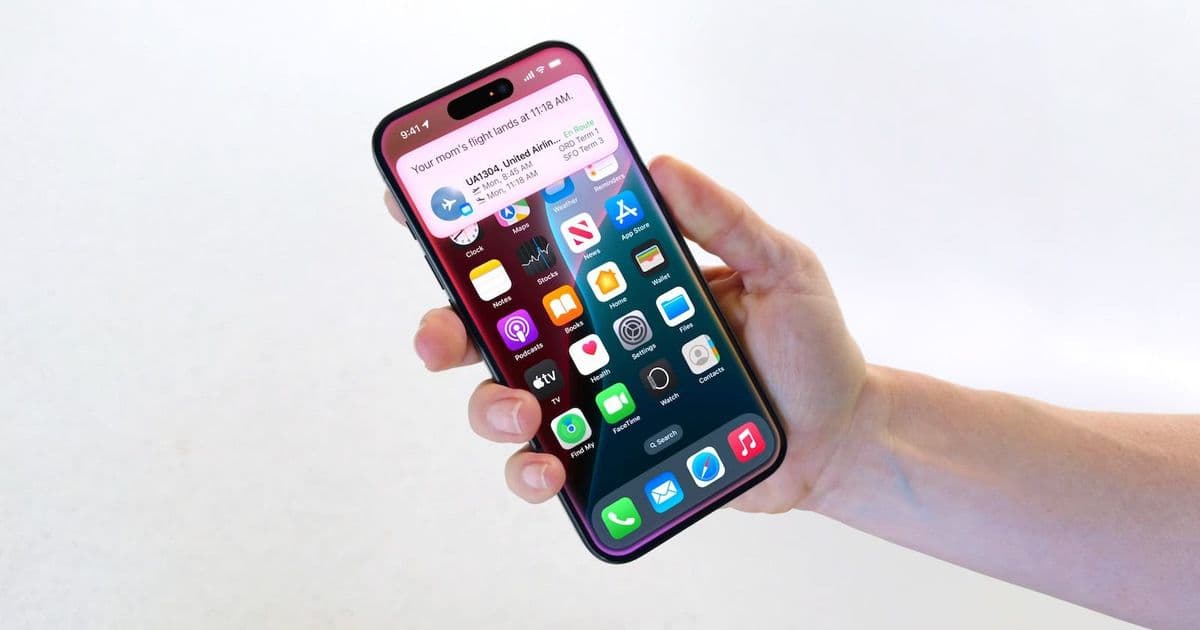
Elon Musk voices antitrust concerns over Apple's partnership with Google to power Siri using Gemini AI, arguing it concentrates excessive power in Google's ecosystem. The deal aims to enable personalized Siri experiences and advanced Apple Intelligence features.
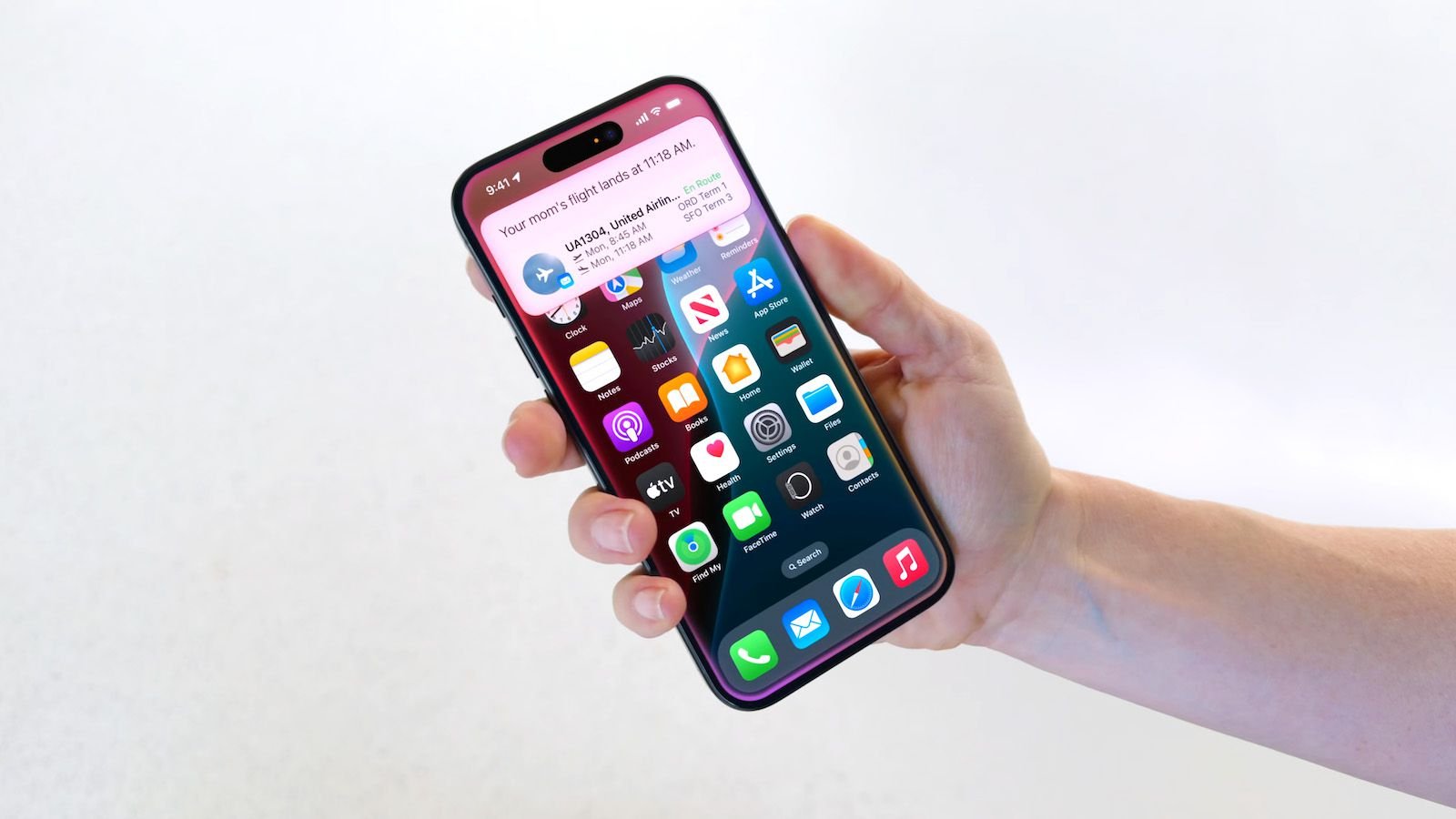
Apple's newly announced partnership with Google to integrate Gemini AI into Siri's infrastructure has drawn sharp criticism from Elon Musk, who called the arrangement "an unreasonable concentration of power for Google given that [they] also have Android and Chrome." The multiyear deal, confirmed by Google and Apple, positions Gemini as the foundational model for Siri's upcoming personalization features and broader Apple Intelligence capabilities slated for 2026.
Technical Implementation Details
According to documentation, Gemini will process on-device contextual data to enable Siri to understand user habits, preferences, and environmental patterns. Unlike previous iterations, the new architecture allows Siri to reference months of user activity while maintaining differential privacy guarantees. Early developer documentation suggests Gemini Nano will handle on-device processing, while Gemini Pro and Ultra will power cloud-based features requiring heavier computation.
Benchmarks provided to developers show Gemini-powered Siri outperforming OpenAI's GPT-4 Turbo in personalized task completion (87% vs. 79% success rate in beta tests) and reducing hallucination rates by 42% compared to Apple's previous on-device model. However, these tests were conducted in constrained environments and don't reflect real-world multilingual or edge-case scenarios.
Antitrust Implications
Musk's criticism highlights existing regulatory concerns about Google's dominance across multiple layers of the tech stack:
- Mobile OS: Android holds 71% global market share (Counterpoint Research 2025)
- Browser: Chrome commands 65% of the browser market (StatCounter)
- Search: 91% market share in mobile search (Similarweb)
- Now AI: Gemini becomes core infrastructure for Apple's 2 billion active devices
The partnership effectively makes Google the default AI provider for both major mobile operating systems, potentially limiting diversity in foundational models. EU antitrust regulators have already requested deal details under the Digital Markets Act, which classifies both companies as "gatekeepers."
Technical Limitations
Developers testing the Gemini-Siri integration report three persistent challenges:
- Context Collision: Confusion when handling overlapping calendar events and messages
- Latency Spikes: Response delays exceeding 2.7 seconds when chaining multiple actions
- Privacy Trade-offs: Required data sharing with Google for advanced features contradicts Apple's privacy-first marketing
Apple's security documentation confirms Gemini processes anonymized Siri requests through Google Cloud infrastructure, with end-to-end encryption only applying to on-device Nano interactions.
Market Context
The deal comes as Alphabet's market capitalization surpasses $4 trillion, making it the fourth tech giant to reach this milestone. Meanwhile, Apple seeks to accelerate its AI capabilities after falling behind competitors in generative AI deployment. Industry analysts note the arrangement provides Google with an estimated $3-5 billion annual revenue stream while giving Apple immediate access to cutting-edge language models without comparable R&D investment.
Alternative Approaches
Several manufacturers are pursuing different strategies:
- Samsung uses a hybrid approach with Google Gemini and its proprietary Gauss model
- Microsoft maintains Copilot as a multi-model system routing queries to OpenAI, Mistral, and Phi-2
- Anthropic's new Cowork platform demonstrates agentic workflows without OS-level integration
These alternatives suggest viable paths to personalization that don't require vertical integration across the entire tech stack. As regulatory scrutiny intensifies, the long-term viability of Apple's exclusive Gemini dependency remains uncertain despite its technical merits.
Comments
Please log in or register to join the discussion