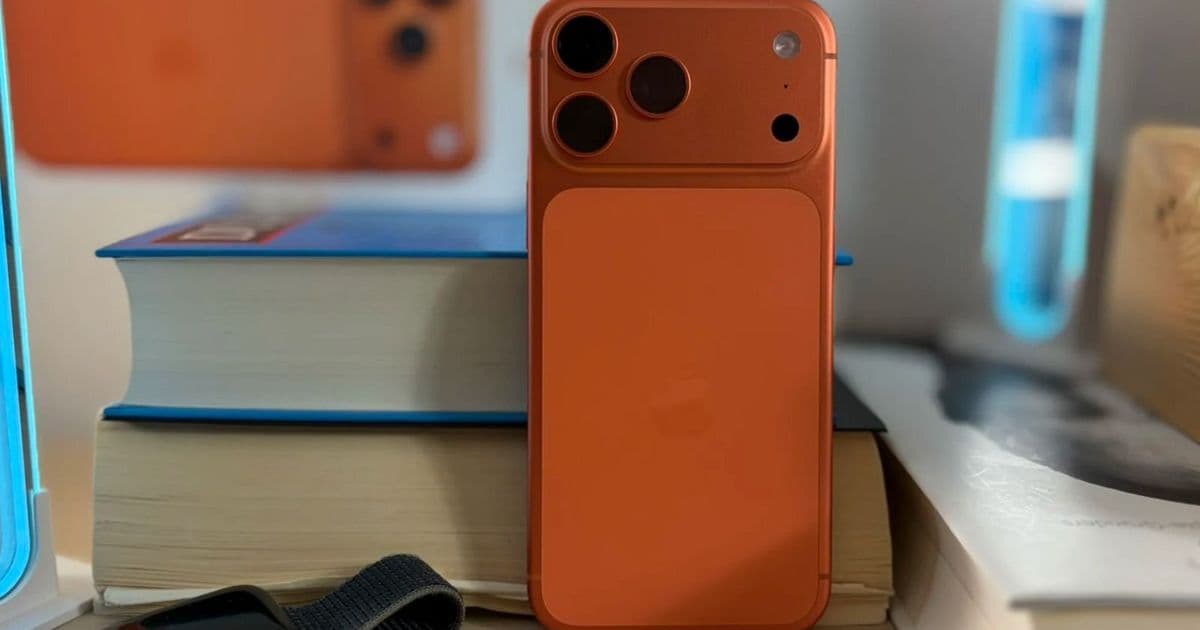
New sales data shows Apple's iPhone 17 Pro Max and Pro models now account for over half of early purchases, marking a significant shift toward premium devices compared to last year's lineup.
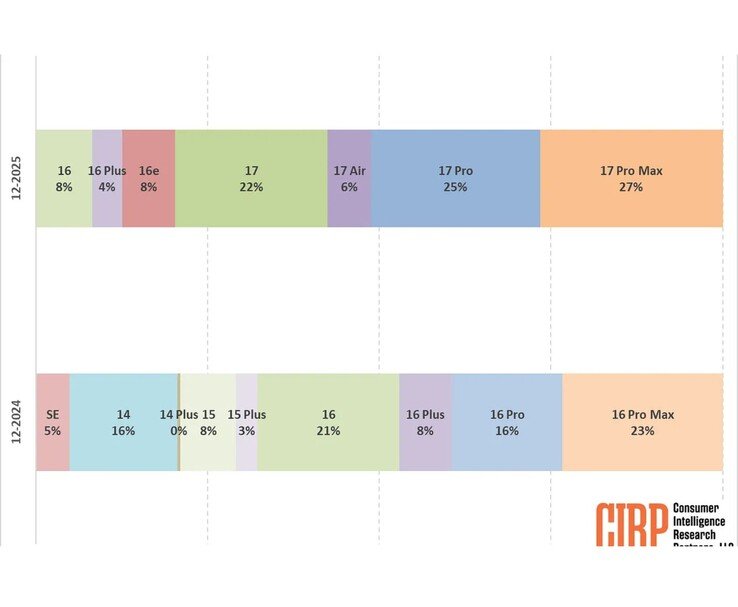
The latest iPhone 17 lineup is seeing a clear shift in consumer preferences, with Apple's Pro models capturing the majority of early sales according to new data from Consumer Intelligence Research Partners (CIRP). The iPhone 17 Pro Max leads the pack at 27% of early sales, followed closely by the iPhone 17 Pro at 25%, combining for a dominant 52% share of the new generation's purchases.
This represents a notable increase from the iPhone 16 series, where Pro and Pro Max models together accounted for just 39% of sales. The standard iPhone 17 holds steady at 22%, maintaining its position as the mainstream choice for Apple customers who want the latest technology without the premium price tag.
What's Driving the Pro Model Surge?
The data suggests buyers are increasingly willing to pay more for Apple's top-tier offerings. Several factors likely contribute to this trend:
- Superior thermal performance: The iPhone 17 Pro series features an aluminum chassis with an advanced vapor chamber cooling system, delivering better heat management during intensive tasks like gaming
- Enhanced camera capabilities: Pro models continue to offer more sophisticated camera systems with additional lenses and advanced computational photography features
- Larger displays: The Pro models provide bigger screens that appeal to media consumption and productivity-focused users
- Extended battery life: Higher-end models typically include larger batteries, addressing one of the most common smartphone pain points
The iPhone Air's Underwhelming Performance
Apple's attempt to create a fourth model with the iPhone Air appears to be struggling. Despite generating significant attention during the launch cycle, the iPhone Air accounts for only 6% of early sales. This underperforms even the iPhone 16 Plus, which captured 8% during the same period last year.
The iPhone Air was positioned as a premium option below the Pro tier, but consumers seem reluctant to pay extra for what they perceive as a mid-tier device when the full Pro experience is available at a relatively modest premium.
Historical Context and Market Implications
Looking back at the iPhone 16 series provides useful context. The iPhone 16 Pro Max led with 23% of sales, followed by the standard iPhone 16 and iPhone 16 Pro at 21% and 16% respectively. The shift toward Pro models in the iPhone 17 generation suggests an evolving market where premium features are becoming increasingly important to buyers.
This trend has several implications for Apple's strategy:
- Product positioning: Apple may continue to focus on differentiating Pro models rather than expanding the mid-tier segment
- Pricing strategy: The company might feel more comfortable pushing prices higher on premium models given strong demand
- Component allocation: Supply chain decisions may increasingly favor Pro model components over standard variants
Gaming Performance as a Differentiator
The iPhone 17 Pro's thermal advantages deserve special mention. The aluminum chassis combined with the vapor chamber cooling system provides superior thermal performance compared to previous generations. This translates to sustained performance during gaming sessions and other processor-intensive tasks, where heat management often becomes a limiting factor.
For mobile gamers and power users, this technical advantage could be a significant factor in choosing Pro models over standard variants, especially as mobile gaming continues to grow in sophistication and popularity.
What This Means for Future iPhone Releases
The strong early performance of Pro models suggests Apple's premium strategy is resonating with consumers. This could influence future product development in several ways:
- Increased focus on Pro features: Apple may accelerate the introduction of advanced features exclusively to Pro models
- Simplified product lines: The company might consider reducing the number of non-Pro options if mid-tier models continue to underperform
- Enhanced differentiation: Greater emphasis on unique Pro capabilities to justify the price premium
While CIRP's data reflects early sales rather than long-term performance, the trend aligns with patterns seen across several iPhone generations. Apple appears to have found a sweet spot with its Pro models, where the combination of advanced features, superior performance, and brand prestige creates compelling value for a majority of buyers.
The challenge moving forward will be maintaining this momentum while addressing the needs of budget-conscious consumers who may feel increasingly priced out of the premium smartphone market. As smartphone technology continues to mature, Apple will need to carefully balance innovation, pricing, and product segmentation to maintain its market leadership.
Comments
Please log in or register to join the discussion