Apple initiates developer testing for its upcoming OS updates across wearables, TV, and spatial computing platforms, signaling feature-focused refinements ahead of new hardware.
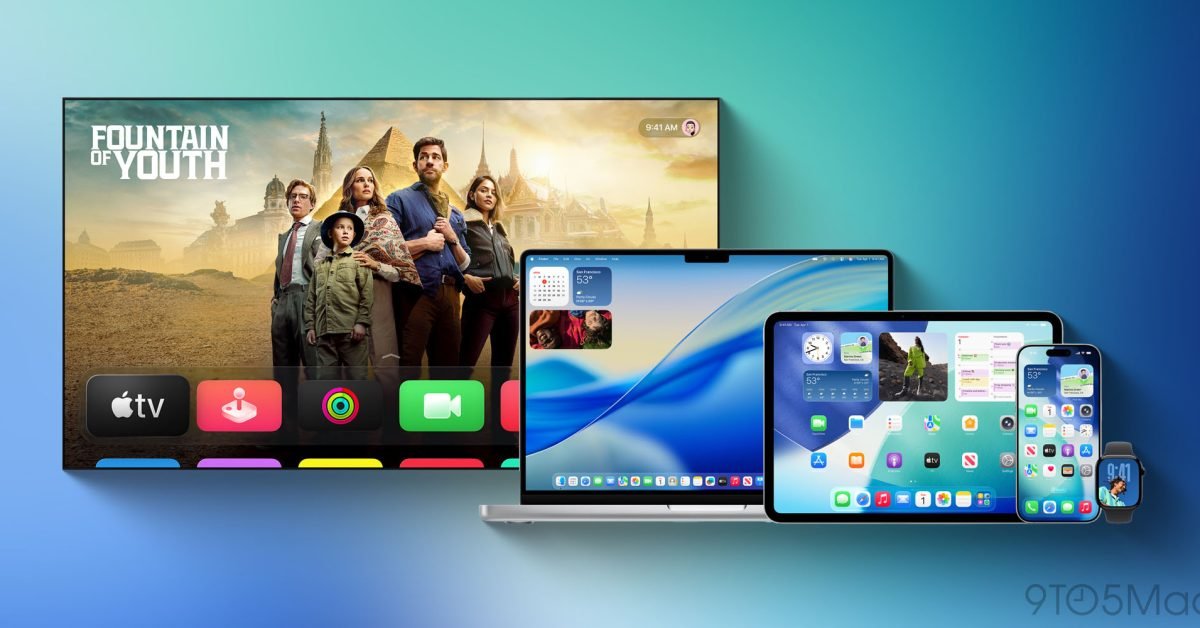
Apple has launched the first developer beta builds for its next wave of operating system updates, covering wearables, entertainment, and spatial computing platforms. The initial beta 1 releases include watchOS 26.4, tvOS 26.4, visionOS 26.4, alongside companion updates for iOS 26.4, iPadOS 26.4, macOS Tahoe 26.4, and HomePod 26.4. These builds are currently exclusive to registered Apple developers through the Apple Developer Program, with public beta access expected within the next week.
This development cycle follows closely behind Apple's recent public release of version 26.3 updates, which prioritized system stability and security enhancements across platforms. The shift to 26.4 signals a transition toward feature-focused development, with expectations of more visible user-facing improvements. Historical patterns suggest these incremental updates often serve as foundational preparation for upcoming hardware releases, potentially including rumored Apple Watch Series 12 enhancements, refreshed Apple TV hardware, and Vision Pro accessory integrations.
Key technical considerations emerge with this beta rollout:
Platform-Specific Optimization: Each OS receives tailored updates addressing platform-specific constraints. For watchOS 26.4, battery efficiency remains critical given the Apple Watch's compact form factor. tvOS 26.4 typically focuses on media processing enhancements and HomeKit integration depth. visionOS 26.4 development prioritizes spatial computing performance metrics like hand-tracking latency reduction.
Cross-Platform Ecosystem Synchronicity: Apple maintains strict version dependencies between devices. The simultaneous release cadence ensures features like Handoff, Continuity Camera, and Universal Control maintain compatibility across iPhone, iPad, Mac, and Vision Pro. This ecosystem cohesion remains a strategic advantage but creates update pressure—users must adopt OS updates across all devices to maintain full functionality.
AI Infrastructure Development: Industry analysts anticipate the staged rollout of Siri's AI overhaul could begin within the 26.4 cycle. Developer documentation reveals new frameworks for on-device language processing across platforms. This aligns with Apple's incremental approach to generative AI features, contrasting competitors' cloud-dependent implementations.
Early build exploration reveals under-the-hood groundwork rather than consumer-facing features. Developer resources indicate expanded APIs for watchOS complications customization, tvOS background process management, and visionOS developer tools for spatial interface design. The absence of major UI changes in initial betas suggests Apple is prioritizing backend refinements before enabling new capabilities.
For beta testers, installation requires Xcode 26 compatibility and device-specific considerations. visionOS 26.4 necessitates the Vision Pro developer strap for direct installation, while watchOS updates mandate the paired iPhone running iOS 26.4 beta. Developers report stable first-build performance across platforms, though standard beta caveats apply regarding third-party app compatibility.
As the beta cycle progresses through March, expect feature flags to activate incremental capabilities. These updates typically culminate in public releases timed with Apple's spring hardware announcements, potentially including support for rumored products like updated AirPods with enhanced spatial audio profiles or HomePod variants with expanded smart home controls.
Comments
Please log in or register to join the discussion