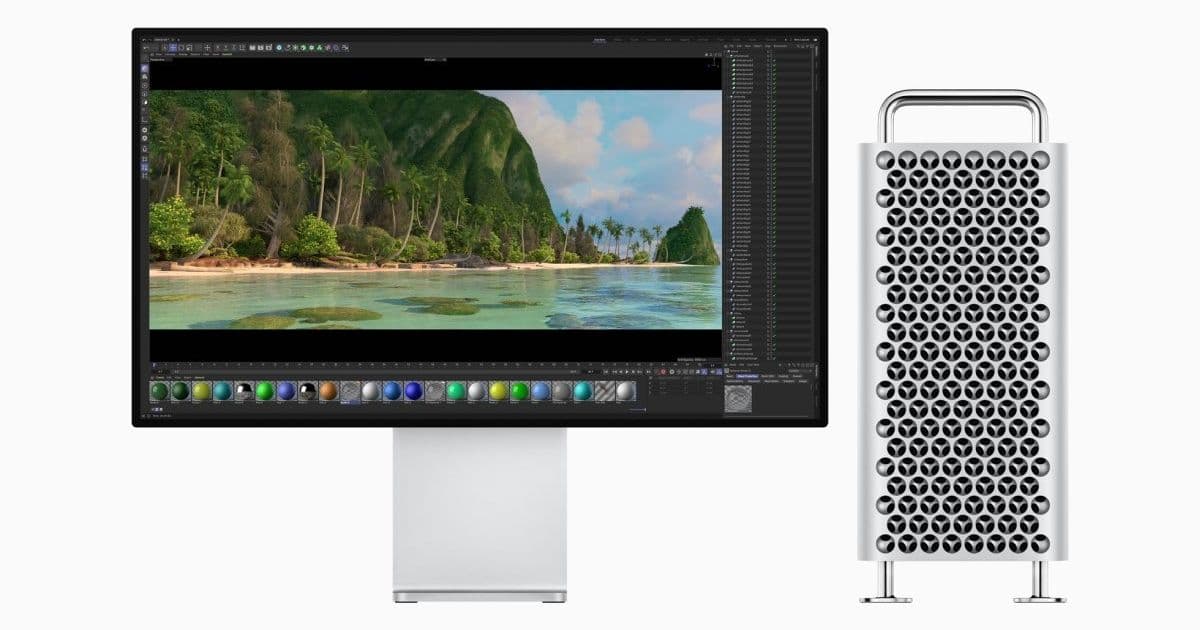
After more than 20 years, Apple discontinues its iconic Mac Pro desktop line, marking a significant shift in the company's approach to high-performance computing.
Apple has officially discontinued the Mac Pro, bringing an end to more than two decades of high-performance desktop computing from the company. The decision marks a significant shift in Apple's hardware strategy, as the company moves away from expandable, upgradeable desktop systems in favor of more integrated solutions.
The End of an Icon
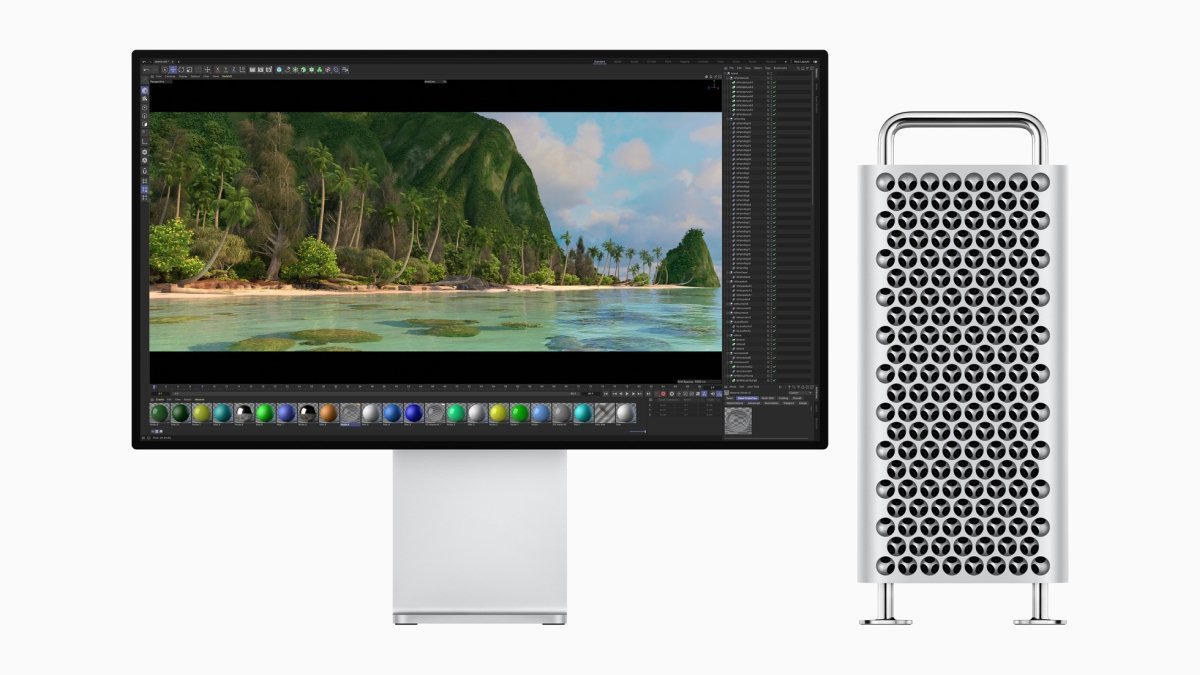
The Mac Pro's journey began in 2006 with its distinctive "cheese grater" design—a perforated aluminum enclosure that became instantly recognizable and allowed for excellent airflow. This design language persisted through multiple generations, with the most recent major overhaul arriving in 2019.
That 2019 model represented Apple's last major redesign of the Mac Pro, featuring a modular, pro-level workstation that could be extensively customized with different processors, memory configurations, and expansion cards. However, the computing landscape has shifted dramatically since then.
The Apple Silicon Transition
In 2023, Apple made its final processor update to the Mac Pro, transitioning from Intel processors to Apple Silicon. This move aligned the Mac Pro with the rest of Apple's product lineup but also highlighted the growing tension between the Mac Pro's traditional expandable design and Apple's integrated hardware philosophy.
Despite the processor upgrade, the Mac Pro struggled to maintain its relevance in Apple's lineup. The newer Mac Studio, introduced in 2022, offered comparable or superior performance in a much smaller form factor, with a significantly lower starting price point.
Mac Studio Takes the Crown
The Mac Studio's emergence as a viable replacement for the Mac Pro represents a fundamental shift in how Apple approaches high-performance computing. The Mac Studio delivers exceptional performance in a compact package that's more in line with Apple's vision for the future of desktop computing.
While the Mac Studio lacks the extensive upgradeability that Mac Pro users have come to expect, it offers several advantages:
- Space efficiency: The Mac Studio occupies a fraction of the physical space required by the Mac Pro
- Cost effectiveness: Lower starting price makes high-performance computing more accessible
- Energy efficiency: Apple Silicon's power efficiency provides better performance per watt
- Thermal design: The compact form factor includes sophisticated cooling solutions
What This Means for Professional Users
The discontinuation of the Mac Pro raises questions about Apple's commitment to professional users who require maximum flexibility and upgradeability. While the Mac Studio addresses many performance needs, it represents a more closed ecosystem approach.
Professional users who previously relied on the Mac Pro's expandability may need to consider:
- External expansion solutions using Thunderbolt connections
- Cloud-based computing resources for additional processing power
- Alternative platforms that offer more traditional upgrade paths
The Broader Context
Apple's decision reflects broader industry trends toward integrated, system-on-chip designs that offer superior performance and efficiency compared to traditional desktop architectures. The company's success with Apple Silicon has demonstrated that high performance doesn't necessarily require large, expandable enclosures.
This move also aligns with Apple's environmental goals, as more integrated systems typically consume less power and generate less electronic waste over their lifecycle.
Legacy and Impact
The Mac Pro leaves behind a significant legacy in desktop computing. It represented Apple's most ambitious attempt to serve the professional market with a truly expandable, high-performance system. For many creative professionals, developers, and power users, the Mac Pro was the ultimate Apple desktop experience.
While the Mac Studio now takes its place as Apple's highest-performance desktop offering, the Mac Pro's departure marks the end of an era for users who valued the ability to customize and upgrade their systems over time.
As Apple continues to refine its Apple Silicon strategy, the company appears to be betting that most professional users will find the performance and capabilities of integrated systems like the Mac Studio sufficient for their needs, even if it means sacrificing some of the flexibility that defined previous generations of Mac Pro systems.
The Mac Pro's discontinuation serves as a reminder of how rapidly the computing landscape continues to evolve, with traditional notions of what constitutes a "pro" system being redefined by advances in processor architecture and system integration.
Comments
Please log in or register to join the discussion