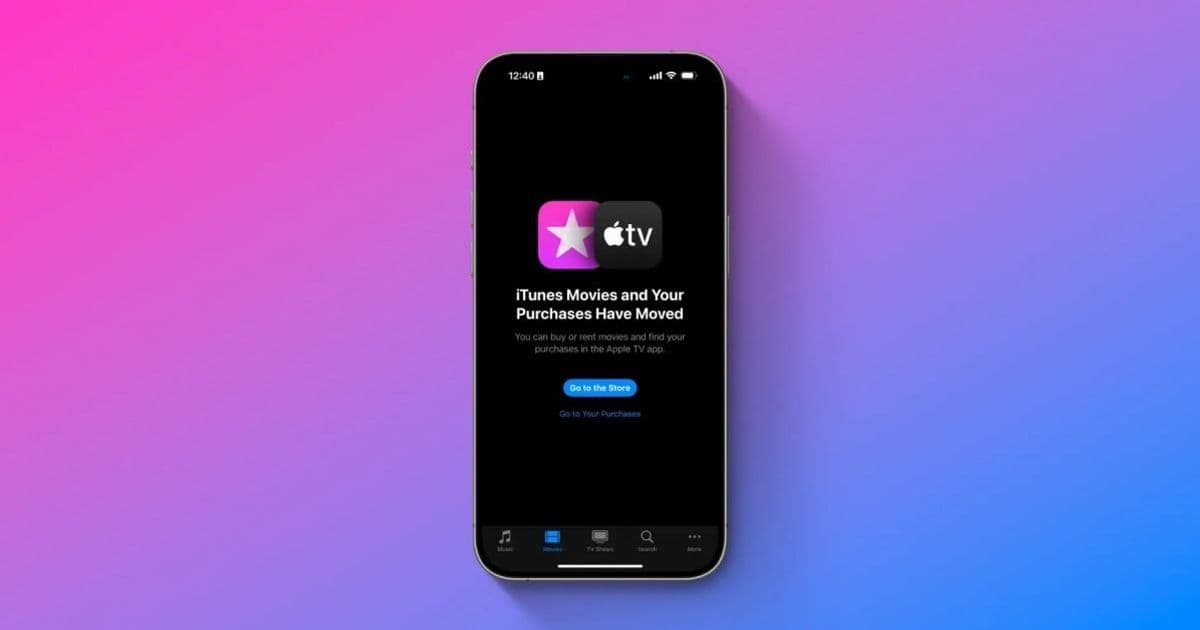
Apple is discontinuing the legacy iTunes Wish List feature for saving movies and TV shows, notifying users to migrate their selections to the modern Apple TV Watchlist before access is removed.
Apple is preparing to sunset its legacy iTunes Wish List feature, notifying users that the functionality for saving movies and TV shows to buy or rent later will soon be discontinued. The company is offering customers one final opportunity to migrate their saved selections to the modern Apple TV Watchlist before the feature becomes inaccessible.
The end of an era for iTunes features
The iTunes Wish List, which has been a staple of Apple's digital media ecosystem for years, is being phased out as part of Apple's ongoing evolution of its media services. While the iTunes Store continues to operate for purchasing and renting movies, TV shows, and music, Apple has long shifted its focus toward streaming-centric experiences through Apple Music and the Apple TV app.
Apple's email notification to affected users clearly states: "Your iTunes Wish List of movies and shows is going away soon and will no longer be accessible." The company also notes that the feature is referred to as "Favorites" on tvOS, highlighting the inconsistent naming that has likely contributed to user confusion over the years.
Migration process and user impact
For customers with items still saved to their iTunes Wish List, Apple is providing a practical solution. The notification email includes a PDF attachment containing a comprehensive list of all titles currently saved, along with direct links for each item.
The migration process is straightforward:
- Users receive an email with a PDF listing all their saved Wish List items
- Each movie and TV show includes a direct link
- Users can tap the "+" button on each item to add it to their Apple TV Watchlist
- Once migrated, these items will appear in the "Continue Watching" row on the Apple TV app's Home tab
Apple emphasizes that "no action is needed" if users choose not to migrate their selections, though this means losing access to their saved items permanently once the feature is discontinued.
The shift toward unified streaming experiences
This change reflects Apple's broader strategy of consolidating its media services into unified, streaming-focused platforms. The Apple TV app has become the central hub for both purchased content and Apple TV+ subscriptions, while Apple Music handles the company's music streaming services.
The Watchlist feature in the Apple TV app serves a similar purpose to the old Wish List but with a more modern, integrated approach that better aligns with current streaming consumption patterns. Users can save shows and movies they're interested in watching, whether they need to purchase them or they're available through Apple TV+.
What this means for Apple ecosystem users
For long-time iTunes users who have accumulated a substantial Wish List over the years, this change represents both an inconvenience and an opportunity to clean up their media preferences. The migration process, while manual, ensures that users don't lose track of content they were interested in purchasing or watching.
This move also signals Apple's continued commitment to streamlining its user experience across devices. By consolidating features into the Apple TV app and Watchlist, Apple can provide a more consistent experience whether users are on iPhone, iPad, Apple TV, or Mac.
The phasing out of the iTunes Wish List is part of a larger trend of Apple modernizing its legacy features to better serve current user behaviors and technological capabilities. As streaming continues to dominate media consumption, features designed for a primarily purchase-based model are being updated or retired in favor of more flexible, subscription-friendly alternatives.
Users who receive the notification email should act promptly to migrate their selections if they wish to preserve their saved content. The PDF attachment provides a convenient reference, but once the feature is disabled, there will be no automated way to recover or transfer the data.
This change, while potentially disruptive for some users, ultimately represents Apple's ongoing effort to create a more cohesive and modern media experience across its ecosystem of devices and services.
Comments
Please log in or register to join the discussion