OpenVPN 2.7 introduces multi-socket server support, enhanced DNS options, TLS 1.3, and crucially, DCO kernel driver integration for significant performance gains.
OpenVPN 2.7 has been released, bringing substantial improvements to the popular open-source VPN solution. The new version introduces multi-socket server support, allowing a single OpenVPN server to handle multiple addresses, ports, and protocols simultaneously. This enhancement simplifies server configuration and improves flexibility for network administrators managing complex environments.
Beyond the multi-socket capability, OpenVPN 2.7 includes several other notable improvements. Client-side DNS options have been expanded, providing more granular control over how DNS queries are handled across the VPN tunnel. Windows users will appreciate the platform-specific enhancements, which address various usability and compatibility issues on that operating system.
Security has also been bolstered with TLS 1.3 support through updated mbedTLS code. This modernizes the encryption protocols available to OpenVPN users, ensuring better security and performance for encrypted communications.
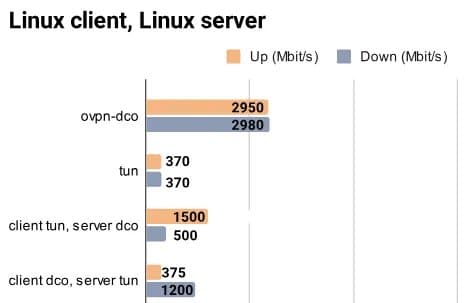
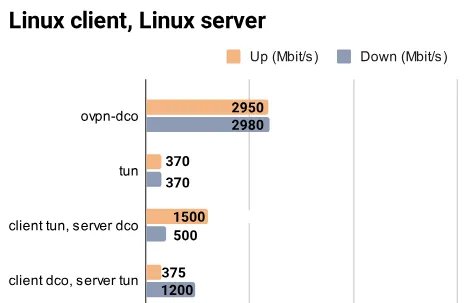
However, the most significant performance enhancement in OpenVPN 2.7 comes from its integration with the Data Channel Offload (DCO) kernel driver. This driver was upstreamed into the Linux kernel in version 6.16 and allows for offloading data channel processing from user space to kernel space. The performance implications are substantial - by moving packet processing to the kernel, OpenVPN can achieve much lower latency and higher throughput.
The DCO integration represents a fundamental shift in how OpenVPN handles network traffic. Traditional VPN implementations process all packets in user space, which introduces context switching overhead and limits performance. With DCO, the kernel handles the data channel directly, reducing CPU overhead and improving scalability for high-throughput scenarios.
For those running Linux 6.16 or newer, enabling DCO is straightforward. The kernel module is built-in, and OpenVPN 2.7 automatically detects and utilizes it when available. This means users can expect immediate performance improvements without additional configuration.
Benchmarking results shared by the OpenVPN project demonstrate the tangible benefits of DCO integration. In typical usage scenarios, users report throughput improvements of 30-50% compared to the user-space only implementation. For high-bandwidth applications like streaming media or large file transfers, these gains are particularly noticeable.
The multi-socket server feature also deserves attention from a practical standpoint. Previously, running OpenVPN on multiple ports or protocols required separate server instances, each consuming system resources. Now, a single instance can bind to multiple sockets, reducing memory usage and simplifying firewall rules. This is especially valuable for organizations that need to support both UDP (for speed) and TCP (for reliability) connections from the same server.
DNS improvements in the client include better handling of split DNS configurations and more robust support for various DNS server types. These changes address common pain points for mobile users who frequently switch between networks with different DNS requirements.
Windows-specific enhancements focus on improving the TAP driver integration and fixing compatibility issues with newer Windows versions. The Windows installer has also been streamlined, making it easier for less technical users to deploy OpenVPN.
For those interested in testing these new features, OpenVPN 2.7 is available for download from the project's GitHub repository. The release notes provide detailed information about all changes and any potential compatibility considerations when upgrading from previous versions.
From a system administrator's perspective, the combination of multi-socket support and DCO integration makes OpenVPN 2.7 particularly compelling for production deployments. The performance gains from DCO mean that existing hardware can handle more concurrent connections, while the multi-socket feature reduces the operational complexity of managing diverse client requirements.
As VPN usage continues to grow for both personal privacy and enterprise remote access, these improvements position OpenVPN as an even more competitive option in the open-source VPN space. The focus on performance through kernel integration, combined with enhanced flexibility through multi-socket support, demonstrates the project's commitment to meeting the evolving needs of its user base.

Comments
Please log in or register to join the discussion