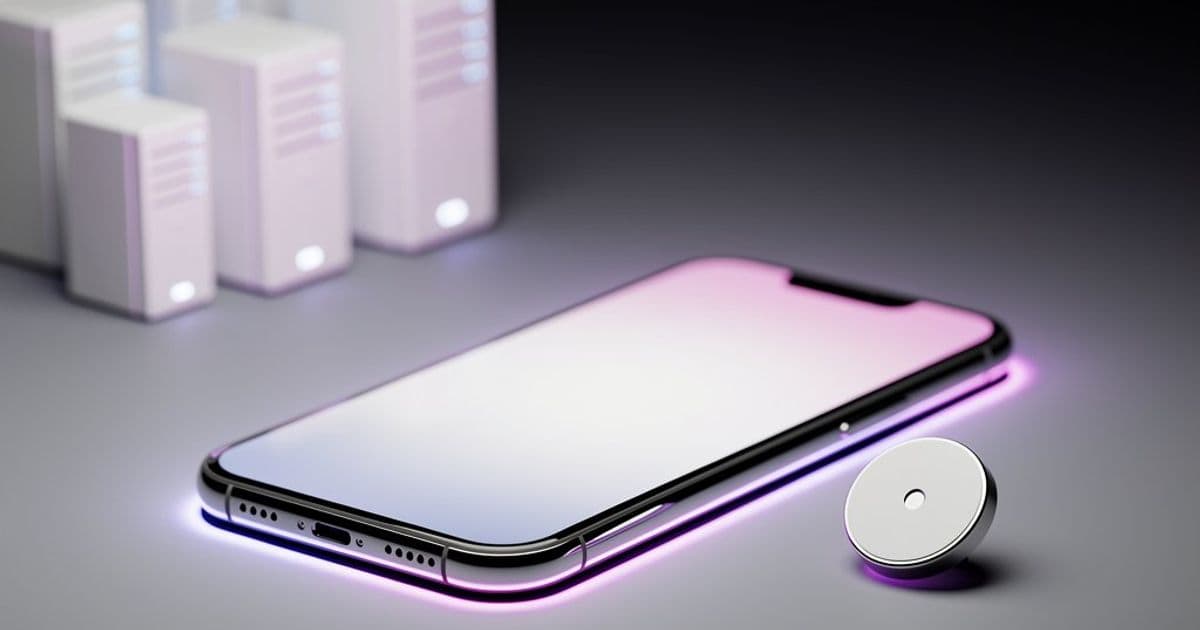
Apple is preparing to transform Siri from a voice assistant into a full-fledged AI chatbot for iOS 27, while simultaneously developing a new AI-powered wearable pin. The move signals a strategic shift in Apple's AI infrastructure, with reports suggesting the new Siri experience may leverage Google's servers for processing.
Apple's AI strategy is undergoing its most significant transformation in over a decade. According to recent reports, the company is preparing to replace Siri's traditional interface with a genuine chatbot experience for iOS 27, while simultaneously developing an entirely new AI-powered wearable device. This dual announcement represents not just an incremental update, but a fundamental rethinking of how Apple approaches artificial intelligence across its ecosystem.
The Siri Chatbot Revolution
The current Siri experience has remained largely unchanged since its introduction in 2011. While it has gained capabilities over the years, the fundamental interaction model—asking a question, receiving a direct answer—has become limiting in the age of large language models. Apple's solution appears to be transforming Siri into a conversational AI that can handle complex, multi-turn dialogues, context-aware responses, and more natural interactions.
For developers, this shift carries significant implications. The current SiriKit framework, which allows apps to integrate with Siri through intents and responses, will likely need substantial updates to accommodate the new chatbot paradigm. Instead of defining specific, narrow intents, developers may need to provide more flexible natural language understanding capabilities. This could mean expanding app intents to include richer context, supporting more varied query patterns, and potentially exposing more of an app's functionality through conversational interfaces.
The technical architecture behind this change is particularly intriguing. Reports suggest the new Siri chatbot may not run entirely on Apple's own servers. Instead, there are indications that Apple could leverage Google's cloud infrastructure for processing certain queries. This represents a major departure from Apple's typical approach of keeping core AI processing on-device or on its own servers for privacy reasons.
For cross-platform developers, this creates an interesting dynamic. If Siri's backend processing moves to Google's cloud, it could potentially lead to more consistent AI experiences across iOS and Android, though Apple would undoubtedly maintain strict privacy controls and data handling protocols. The move might also signal that Apple recognizes the computational demands of modern LLMs require partnerships, even with traditional competitors.
The AI Wearable Pin
Alongside the Siri transformation, Apple is reportedly developing a new AI-powered wearable pin. While details remain scarce, this device appears to be Apple's answer to the growing category of AI wearables—devices designed to provide ambient AI assistance without requiring a smartphone screen.
For mobile developers, this represents a new platform to consider. If Apple launches this wearable, it will likely need its own SDK and development framework. Developers will need to think about:
- Interface paradigms: How do you design for a device without a traditional screen? Voice, haptics, and possibly minimal visual indicators will be primary interaction methods.
- Context awareness: Wearables excel at capturing environmental and biometric data. Apps will need to process this data responsibly while providing meaningful assistance.
- Battery constraints: Unlike phones, wearables have severe power limitations. AI processing will need to be extremely efficient, potentially relying more on cloud processing than on-device computation.
The wearable pin could also serve as a testing ground for new AI capabilities that might eventually come to iOS. Features like real-time translation, environmental analysis, or proactive assistance could debut on the pin before reaching iPhones and iPads.
Platform Requirements and Migration Path
For developers preparing for these changes, several considerations emerge:
iOS 27 Requirements: While iOS 27 is still in development, these AI features will likely require devices with Apple's Neural Engine. This means developers should start optimizing their apps for on-device ML processing now. The A17 Pro chip and future iterations will be essential for handling the computational demands of these new AI experiences.
Cross-Platform Implications: If Siri's backend moves to Google's infrastructure, it could create interesting cross-platform scenarios. Android developers might eventually see similar AI capabilities, though Apple will likely maintain its distinctive privacy-first approach. For developers building cross-platform apps, this could mean more consistent AI experiences between iOS and Android, but with Apple maintaining control over the user experience and data handling.
Migration Strategy: Current SiriKit developers should begin planning for a more conversational interface. This might involve:
- Expanding intent definitions: Moving beyond simple command-response patterns to support more open-ended queries
- Enhancing context handling: Providing apps with more contextual information to generate relevant responses
- Preparing for multimodal input: Supporting voice, text, and potentially visual inputs through the wearable pin
- Privacy compliance: Ensuring any cloud processing meets Apple's stringent privacy standards
Technical Architecture Considerations
The shift to a chatbot model requires significant architectural changes. Traditional Siri relied on relatively straightforward intent matching and response generation. The new system will need:
- Natural Language Understanding (NLU): More sophisticated parsing of user queries
- Context Management: Maintaining conversation state across multiple interactions
- Response Generation: Creating natural, helpful responses rather than just retrieving information
- Integration with App Capabilities: Seamlessly connecting app functionality to conversational interfaces
For developers, this means thinking about their apps not just as standalone experiences, but as contributors to a larger conversational ecosystem. An app's data and functionality need to be exposed in ways that a chatbot can understand and utilize.
Privacy and Data Handling
Apple's reported use of Google's servers for AI processing raises important privacy questions. Apple has built its brand on privacy, and any partnership with Google will need to address:
- Data anonymization: Ensuring user queries cannot be traced back to individuals
- On-device processing: Keeping sensitive operations on the device when possible
- Transparency: Clearly communicating to users when and how their data is processed
- Control: Giving users granular control over AI features and data sharing
Developers will need to be particularly careful about how they handle user data in this new environment. The line between on-device and cloud processing will become more blurred, requiring careful consideration of what data leaves the device.
Looking Ahead
These changes represent Apple's recognition that the AI landscape has fundamentally shifted. Voice assistants alone are no longer sufficient; users expect conversational AI that can handle complex tasks and maintain context. The wearable pin suggests Apple is also thinking about how AI can be more ambient and integrated into daily life.
For the development community, this is both an opportunity and a challenge. New platforms and paradigms mean new possibilities for innovation, but also require learning new frameworks and adapting existing apps. The companies that start preparing now—optimizing for on-device ML, thinking about conversational interfaces, and considering how their apps fit into an AI-first ecosystem—will be best positioned when iOS 27 arrives.
The next year of development will likely focus heavily on AI integration. Whether building for the new Siri chatbot, the AI wearable pin, or simply ensuring apps work well in an AI-enhanced iOS, developers will need to embrace machine learning not as an add-on, but as a core component of their applications.
As these features move from rumor to reality, the development community will be watching closely. The success of Apple's AI pivot will depend not just on the technology itself, but on how well developers can leverage these new capabilities to create experiences that feel genuinely helpful and intuitive. The transformation of Siri from a voice assistant to a true AI companion, paired with the introduction of new wearable hardware, marks the beginning of what could be Apple's most significant platform evolution since the introduction of the App Store itself.
Comments
Please log in or register to join the discussion