Apple is revolutionizing its manufacturing processes to dramatically reduce material waste while improving environmental sustainability across its product lineup.
Apple is revolutionizing its manufacturing processes to dramatically reduce material waste while improving environmental sustainability across its product lineup. The company's latest innovations, detailed by hardware design lead Molly Anderson, showcase how rethinking production methods can benefit both the bottom line and the planet.
MacBook Neo's Material-Efficient Forming Process
The centerpiece of Apple's manufacturing evolution is the new MacBook Neo, which features a groundbreaking enclosure manufacturing process. Unlike previous MacBooks that started with rectangular aluminum blocks and machined them to shape—creating significant unused offcuts—the Neo uses a material-efficient forming process that reduces aluminum usage by 50 percent.
Anderson explained the innovative approach: "We started with an extrusion, we flatten and then form it with heat and pressure to get as close as possible to the shape of the final product, then we fine machine to create the profile." This method dramatically reduces the amount of unused aluminum compared to traditional machining methods.
The environmental and economic benefits are twofold. First, reducing material waste means fewer offcuts to recycle, which is inherently more efficient than recycling excess material. Second, the process cuts machining time, likely reducing power consumption during production. These improvements align with Apple's broader sustainability goals while simultaneously improving manufacturing efficiency.
Record-Breaking Recycled Content
The MacBook Neo sets new standards for recycled materials in Apple products. With 60 percent recycled content overall—the highest percentage in any Apple product—the laptop features 90 percent recycled aluminum and 100 percent recycled cobalt in its battery. This achievement demonstrates Apple's commitment to circular economy principles while maintaining product quality and performance.
3D Printing Aluminum for Future Devices
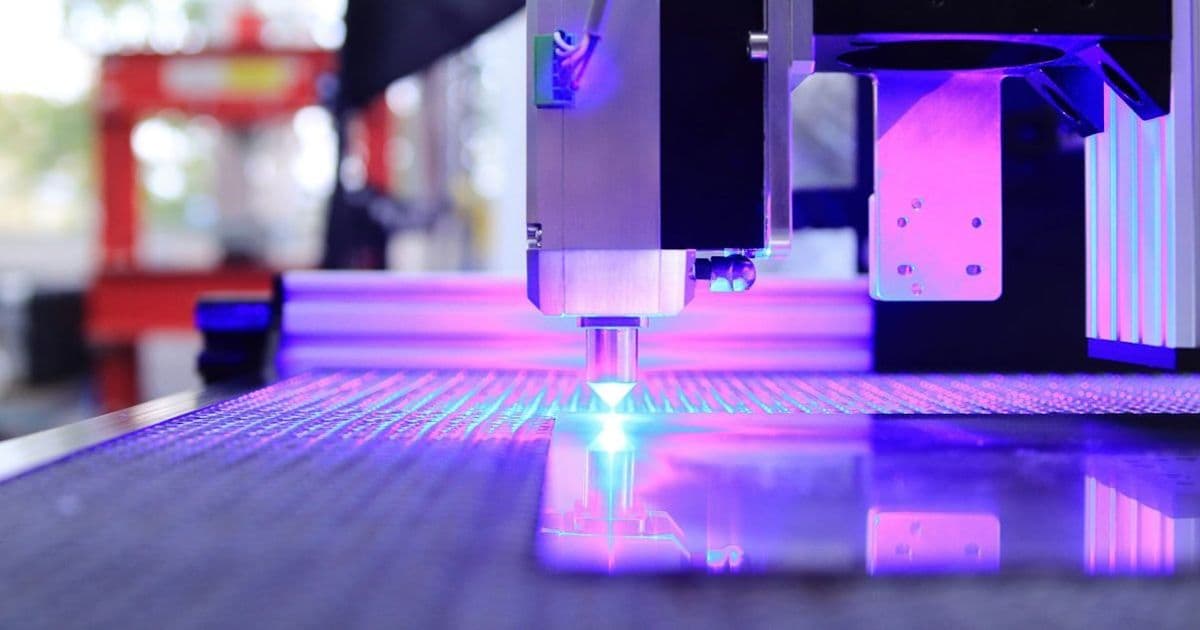
Perhaps most ambitious is Apple's reported work on 3D printing aluminum chassis for future iPhone and Apple Watch models. The company successfully implemented 3D printing for the titanium chassis of the Apple Watch Ultra 3, using 100% recycled titanium powder and achieving more efficient material utilization.
However, 3D printing aluminum presents significant technical challenges. The material's high reflectivity and thermal conductivity make it difficult to form with lasers, while extreme precision is required to avoid microscopic internal voids that could compromise structural integrity. Currently, 3D printing aluminum is primarily used in aviation and automotive applications where weight savings justify the manufacturing complexity.
If Apple succeeds in mass-producing 3D-printed aluminum components for consumer electronics, it would represent a significant technological achievement. The potential benefits include further material efficiency, reduced waste, and the ability to create complex geometries that traditional manufacturing cannot achieve.
The Win-Win Scenario
These manufacturing innovations represent the ideal scenario for Apple: environmental improvements that also enhance profitability. By reducing material waste and energy consumption while potentially lowering production costs, Apple can market its products as more sustainable without sacrificing margins.
The company's approach demonstrates how environmental responsibility and business interests can align when companies invest in rethinking fundamental processes rather than simply adding green features to existing products. As Apple continues to push the boundaries of sustainable manufacturing, its innovations may influence industry standards and accelerate the adoption of more environmentally friendly production methods across the tech sector.
For consumers, these changes mean products that are not only more environmentally responsible but potentially more innovative in design and construction. The MacBook Neo's material-efficient forming process and the potential for 3D-printed aluminum iPhones and Apple Watches represent a new era where sustainability drives technological advancement rather than constraining it.
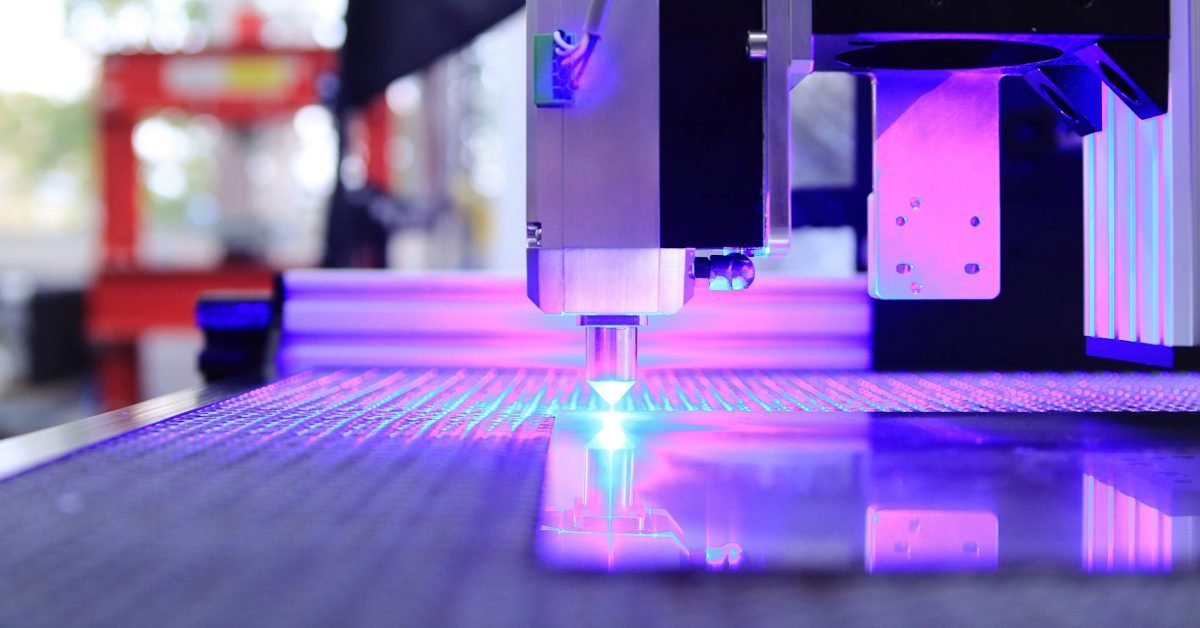
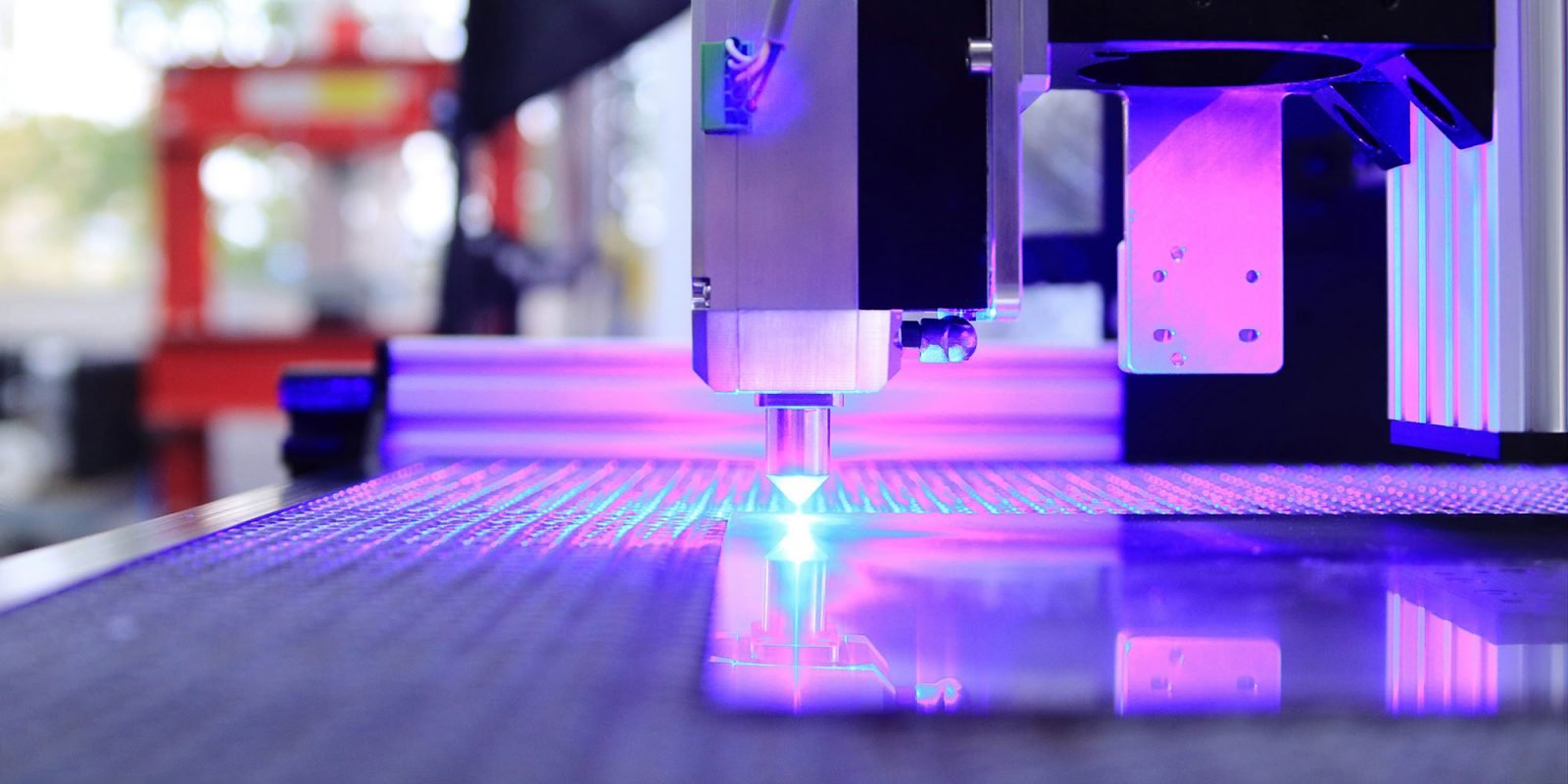
Photo by Opt Lasers on Unsplash
Comments
Please log in or register to join the discussion