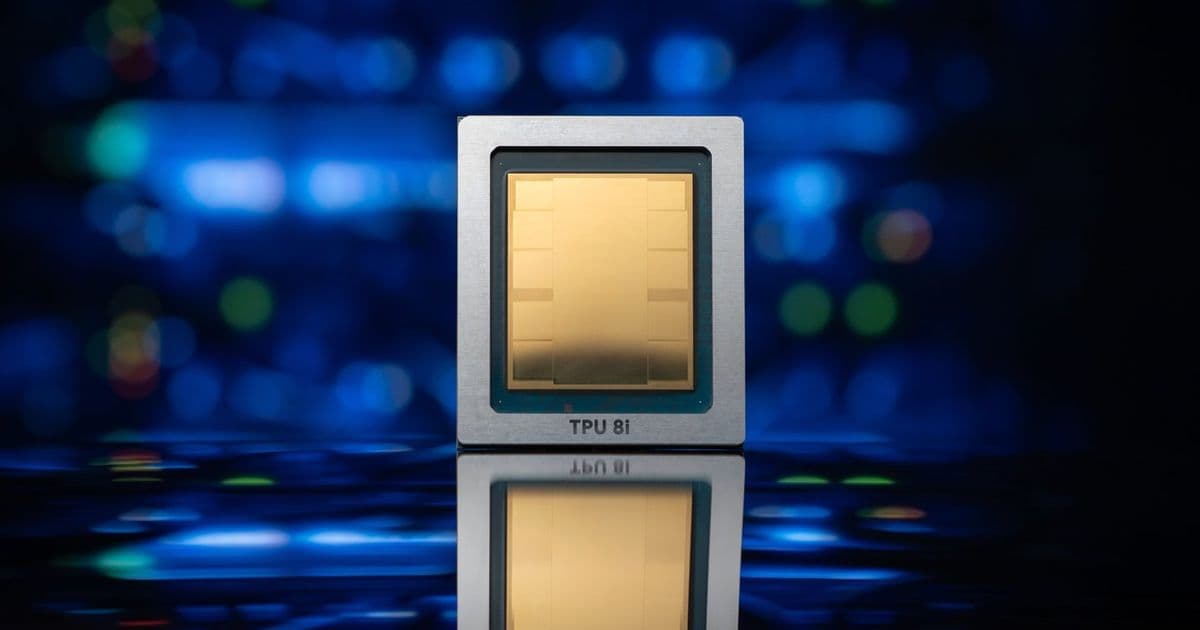
This deep dive into Google's Tensor Processing Units (TPUs) explores their technical architecture, compares them with other cloud providers' AI accelerators, and analyzes their strategic implications for AI workloads and cloud migration strategies.
Google's Tensor Processing Units (TPUs) represent a specialized hardware solution designed from the ground up to accelerate artificial intelligence workloads. More than a decade after their introduction, TPUs have evolved into critical components powering increasingly complex AI models that require massive computational resources.
Understanding TPU Architecture
At their core, TPUs are custom ASICs (Application-Specific Integrated Circuits) optimized for matrix multiplication operations fundamental to neural networks. The latest generation delivers 121 exaflops of compute power with double the bandwidth of previous generations, enabling unprecedented performance for training and inference workloads.
Unlike general-purpose GPUs, TPUs employ a systolic array architecture that maximizes data utilization by processing computations as data flows through the chip. This design eliminates memory bottlenecks common in traditional processors, allowing TPUs to achieve remarkable efficiency for tensor operations.
The architecture includes:
- High-bandwidth memory systems optimized for AI workloads
- Precision support for various numerical formats (FP16, INT8, etc.)
- Tensor cores specifically designed for matrix operations
- Network interfaces enabling distributed computing across multiple TPUs
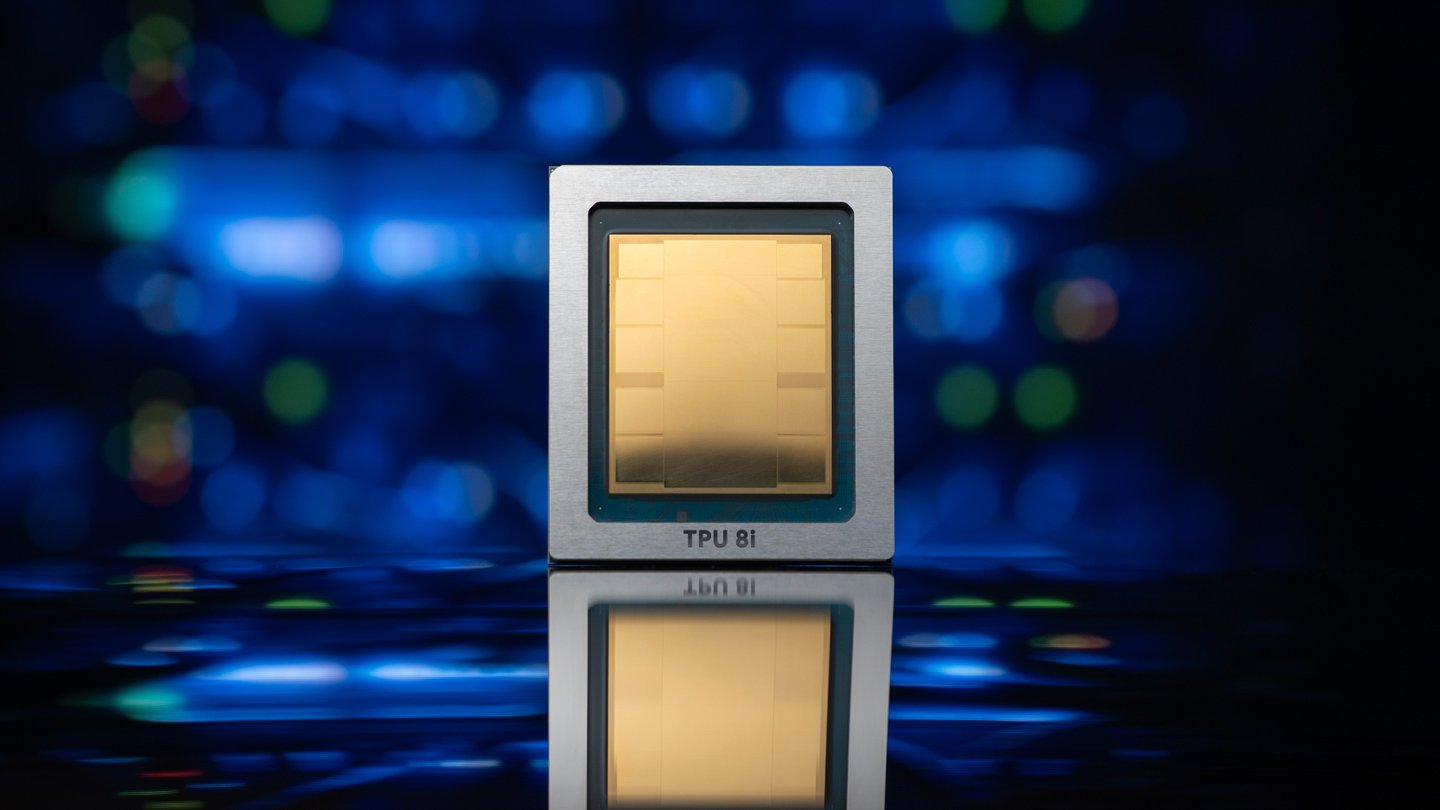
TPU vs. Competitor AI Accelerators
When evaluating AI acceleration options, organizations must consider multiple factors beyond raw performance. Let's compare TPUs with offerings from other major cloud providers:
Google Cloud TPUs
- Architecture: Custom ASICs with systolic arrays
- Primary Use Case: Training and inference of large-scale neural networks
- Integration: Native integration with Google's AI ecosystem (TensorFlow, JAX, PyTorch)
- Deployment Options: Cloud TPUs, TPU Pods, TPU VMs, TPU Nodes
- Pricing: Subscription-based with per-hour billing for TPU v4/v5, per-second billing for TPU v5e
AWS Trainium and Inferentia
- Architecture: Custom-designed AI chips
- Primary Use Case: Training (Trainium) and inference (Inferentia)
- Integration: Optimized for AWS SageMaker and Deep Learning AMIs
- Deployment Options: EC2 instances with Trainium/Inferentia, SageMaker
- Pricing: Included in EC2 instance pricing
Microsoft Azure NDv4/NDm A100 VMs
- Architecture: NVIDIA GPUs
- Primary Use Case: General-purpose AI acceleration
- Integration: Azure Machine Learning, ONNX Runtime
- Deployment Options: Virtual machines with attached GPUs, Azure ML
- Pricing: Per-hour VM pricing plus GPU costs
NVIDIA GPUs
- Architecture: Parallel computing architecture with CUDA cores
- Primary Use Case: General-purpose AI, scientific computing, graphics
- Integration: Broad framework support (TensorFlow, PyTorch, MXNet, etc.)
- Deployment Options: On-premises, all major cloud providers
- Pricing: Hardware costs plus cloud premiums
This comparison reveals a fundamental trade-off: specialized solutions like TPUs often outperform general-purpose accelerators for specific AI workloads but may offer less flexibility across diverse computing tasks.
TPU Access Models and Pricing Considerations
Google offers multiple access models for TPUs, each suited to different use cases:
- Cloud TPUs: Fully managed service accessed through Google Cloud Console, APIs, or client libraries
- TPU Pods: Large-scale configurations of hundreds to thousands of TPUs for massive model training
- TPU VMs: Virtual machines with attached TPUs, offering more flexibility and control
- TPU Nodes: Kubernetes-based deployment for more customized environments
Pricing varies significantly by generation and configuration:
- TPU v4: $8.00 per TPU-hour for v4-8, $4.00 per TPU-hour for v4-16
- TPU v5: $9.60 per TPU-hour for v5p-8, $4.80 per TPU-hour for v5e-4
- TPU Pods: Offer significant discounts for large-scale workloads
Organizations should consider total cost of ownership, including data transfer costs, storage expenses, and potential optimization requirements when evaluating TPU solutions against alternatives.

Migration Considerations for Organizations
Migrating AI workloads to TPUs requires careful planning and consideration of several factors:
Technical Requirements
- Framework compatibility (TensorFlow, JAX, PyTorch with XLA compilation)
- Code modifications to leverage TPU-specific optimizations
- Data pipeline adjustments for optimal data loading
- Memory management for large-scale models
Performance Optimization
- Effective utilization of TPU memory and computational resources
- Distributed training strategies for multi-TPU configurations
- Mixed precision training to maximize performance while maintaining accuracy
- Tensor optimization techniques to minimize computational overhead
Organizational Factors
- Team expertise with TPU-specific technologies
- Integration with existing cloud infrastructure
- Compliance and security requirements
- Total cost of ownership compared to current solutions
Organizations with existing TensorFlow investments may find migration to TPUs particularly straightforward, while those using other frameworks may require additional effort to optimize performance.
Business Impact and Strategic Implications
The strategic deployment of TPUs can yield significant business benefits:
Performance Advantages
- Reduced training times for large models, accelerating research cycles
- Improved inference latency for real-time applications
- Ability to train larger models that were previously computationally infeasible
- Cost efficiency for specific AI workloads at scale
Competitive Differentiation
- Organizations leveraging TPUs can develop more sophisticated AI capabilities
- Faster iteration cycles for AI product development
- Ability to handle larger datasets and more complex models
- Competitive advantage in AI-intensive industries
Cloud Strategy Integration
- TPUs represent a key component of Google's cloud AI ecosystem
- Organizations adopting TPUs often deepen their relationship with Google Cloud
- Multi-cloud strategies may require specialized solutions for each provider's accelerators
- TPU adoption influences broader cloud architecture decisions
Future Outlook
As AI models continue growing in complexity and scale, specialized accelerators like TPUs will play increasingly critical roles. Google continues to develop new TPU generations with improved performance, efficiency, and capabilities.
Emerging trends include:
- Integration with Google's Vertex AI platform for end-to-end MLOps
- Enhanced support for transformer models and large language training
- Improved energy efficiency for sustainable AI computing
- Expanded deployment options including edge computing scenarios
For organizations planning long-term AI infrastructure, understanding the evolving TPU ecosystem and its role in Google's cloud strategy provides valuable insight for technology investment decisions.
Organizations interested in exploring TPUs should consult Google's TPU documentation and consider starting with smaller-scale trials before committing to large deployments. The strategic advantage of specialized AI acceleration continues to grow as models become increasingly complex and computationally demanding.
Comments
Please log in or register to join the discussion