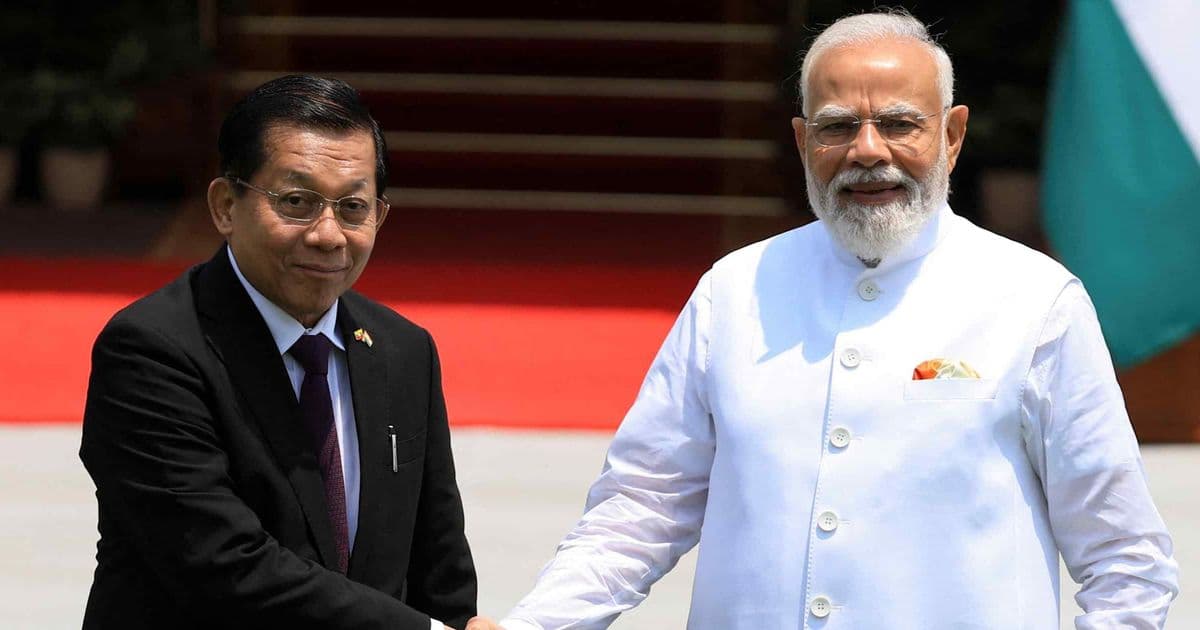
During his first overseas trip as Myanmar’s president, Min Aung Hlaing met Prime Minister Narendra Modi and secured a framework for cooperation on critical minerals and rare earths, a move that could reshape supply chains for India’s clean‑energy push and boost Myanmar’s export revenues.
India‑Myanmar agreement on critical minerals
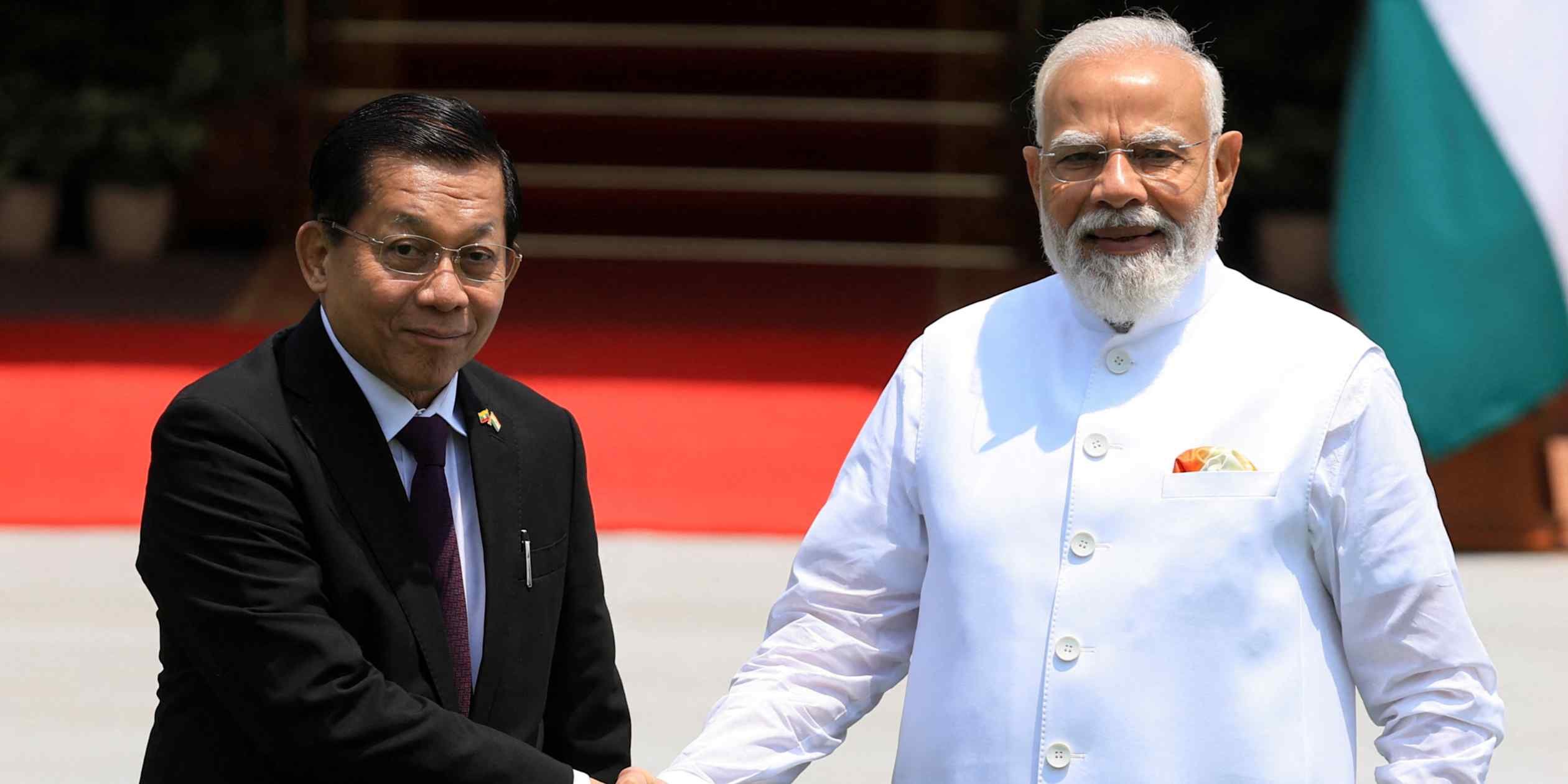
On June 1, 2026, Myanmar’s newly installed president Min Aung Hlaing arrived in New Delhi for a five‑day state visit, the first foreign trip since taking power in March. At Hyderabad House, he and Indian Prime Minister Narendra Modi signed a memorandum of understanding (MoU) to develop joint projects in critical minerals and rare‑earth elements (REEs). The MoU covers exploration, extraction, processing and downstream manufacturing, with an explicit focus on securing supply for India’s renewable‑energy, defence and electronics sectors.
Market context
- Global REE demand is projected to reach $27 billion by 2030, driven by electric‑vehicle batteries, wind‑turbine generators and 5G infrastructure. China currently supplies over 80 % of the world’s REEs, prompting governments to diversify sources.
- India’s 2025‑2030 clean‑energy plan calls for 450 GW of renewable capacity, requiring an estimated 120 kt of neodymium‑iron‑boron magnets and 90 kt of dysprosium annually. Domestic production covers less than 5 % of this need.
- Myanmar sits on sizable deposits of bauxite, thorium, tin, tungsten and REEs in the Kachin and Shan states. The World Bank estimates the country’s untapped critical‑minerals reserves could be worth $15‑20 billion if fully developed.
- Investment climate: India’s Ministry of Mines has earmarked $1.2 billion for strategic mineral projects through 2028, while Myanmar’s Ministry of Natural Resources is seeking foreign partners to fund the capital‑intensive extraction phase, which typically requires $200‑300 million per mine.
Strategic implications
- Supply‑chain resilience for India – By establishing a bilateral pipeline for REEs, India can reduce its exposure to potential export curbs from China. Early‑stage feasibility studies announced during the visit target monazite and bastnäsite deposits in northern Myanmar, minerals rich in cerium, lanthanum and neodymium.
- Revenue boost for Myanmar – The MoU includes a revenue‑sharing model where Myanmar retains 70 % of gross mineral sales, with the remaining 30 % allocated to joint‑venture partners for processing and technology transfer. At current market prices, a modest 10‑kiloton output of REEs could generate $1.4 billion annually for Myanmar.
- Geopolitical balancing – Myanmar’s leadership assured India that its territory would not be used for operations against Indian interests, a diplomatic overture that eases New Delhi’s concerns over the country’s historic ties to China’s Belt‑and‑Road projects.
- Industrial spill‑over – The agreement paves the way for downstream manufacturing in India, such as high‑performance magnets for electric‑vehicle motors and magneto‑optical sensors for defence radars. Analysts estimate that each ton of processed REE can add $5,000‑$7,000 in value‑added manufacturing revenue.
- Funding and technology transfer – India’s Department of Heavy Industry has pledged $250 million in soft loans to support pilot processing plants in Myanmar, while Indian firms like Vedanta Ltd. and Tata Steel are slated to provide metallurgical expertise. This collaboration could shorten the typical 5‑7‑year timeline for a new REE mine to reach commercial production.
What it means for the sector
- Investors should watch for joint‑venture announcements, especially those involving Indian conglomerates and Myanmar’s state‑owned mining entities. Early‑stage equity raises are likely in the $100‑$300 million range.
- Supply‑chain managers in the EV and renewable‑energy industries may begin to factor Myanmar‑sourced REEs into their sourcing strategies, potentially lowering exposure to Chinese price volatility.
- Policy makers in other resource‑rich Southeast Asian nations could view the India‑Myanmar framework as a template for diversifying mineral exports beyond traditional commodities like rice and textiles.
- Environmental groups will likely scrutinize the project’s impact on Myanmar’s ecologically sensitive highlands. The MoU includes a clause for joint environmental impact assessments, but implementation details remain to be seen.
Overall, the India‑Myanmar mineral pact signals a shift toward a more multipolar critical‑minerals market, aligning economic incentives with strategic security concerns. If the projected timelines hold, the first shipments of processed REEs from Myanmar could appear in Indian factories by late‑2028, providing a tangible boost to India’s clean‑energy ambitions while delivering a new source of export revenue for Myanmar.
Comments
Please log in or register to join the discussion