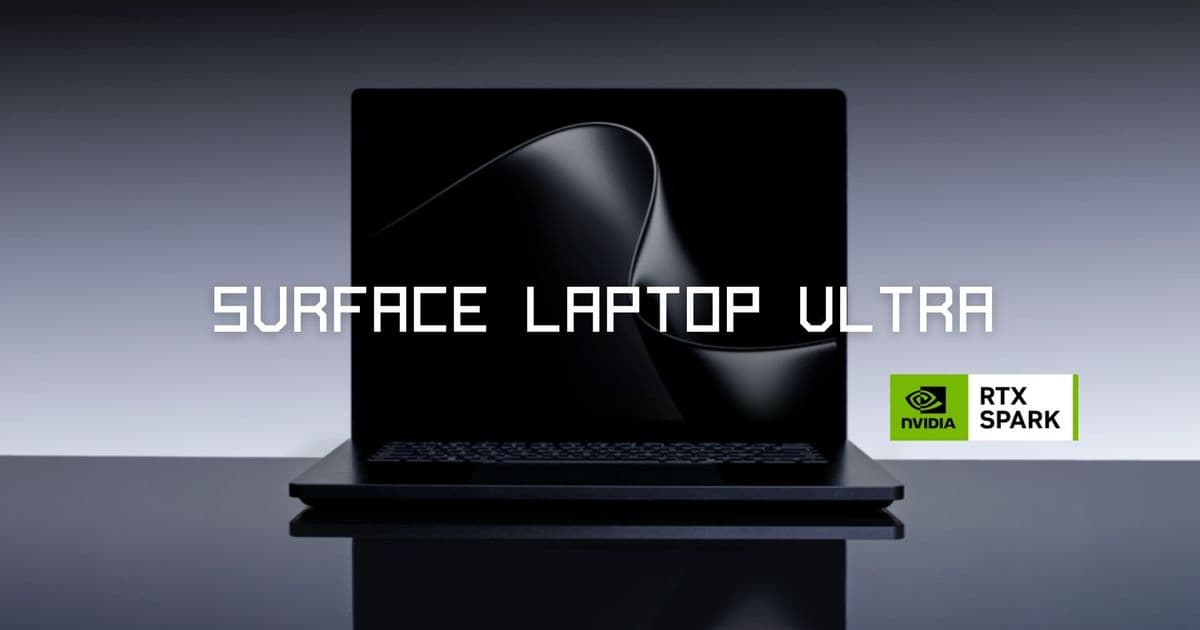
At Computex 2026 Microsoft unveiled the Surface Laptop Ultra, a 15‑inch Windows‑on‑Arm workstation that pairs a 20‑core NVIDIA Grace CPU with a Blackwell RTX GPU, up to 128 GB of unified memory and a 2 000‑nit mini‑LED display. The article explains the hardware choices, the OS optimisations, and why the device matters for the Windows ecosystem.
Microsoft builds its ultimate MacBook Pro rival with the NVIDIA‑powered Surface Laptop Ultra
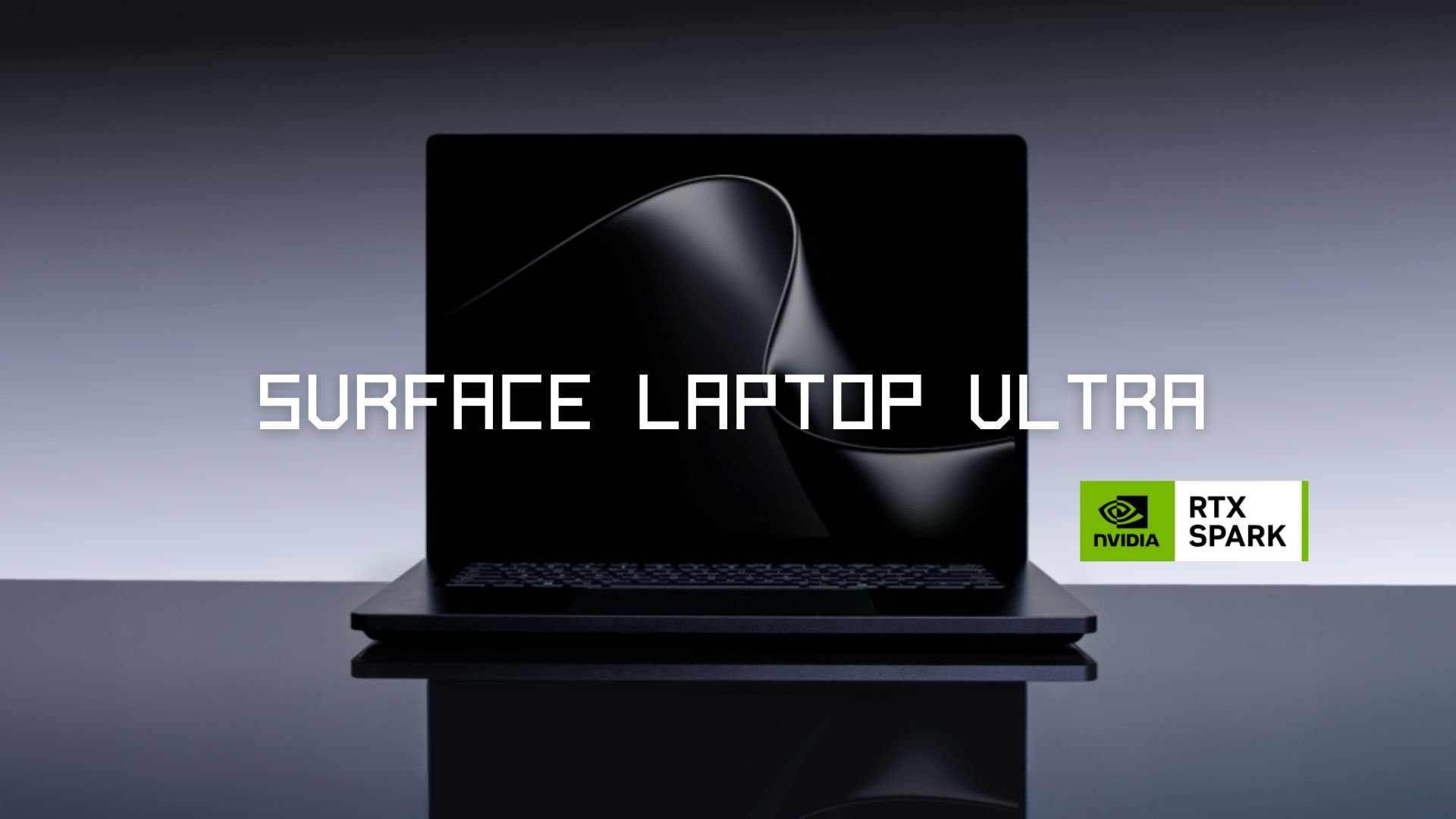
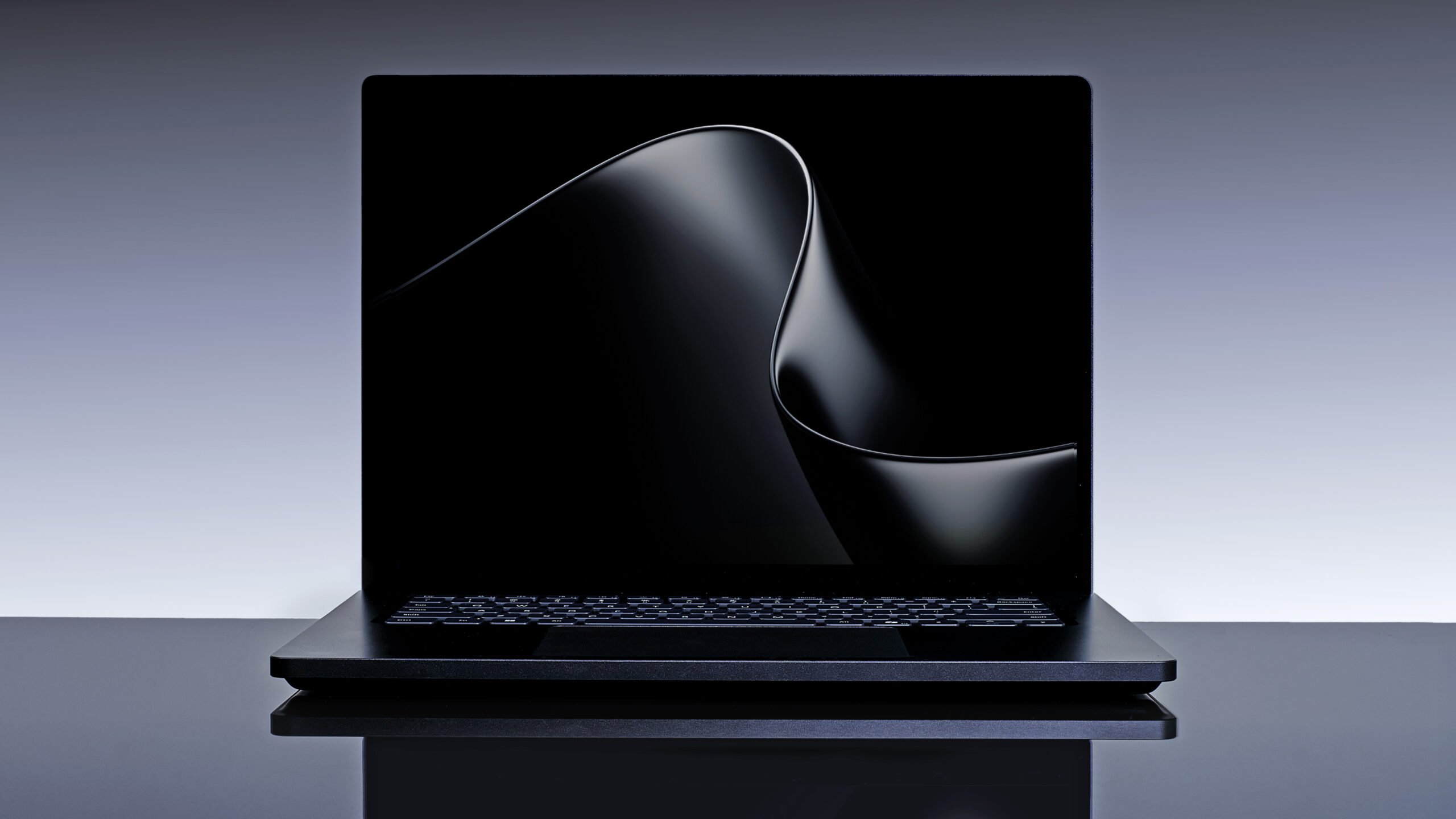
Microsoft used its Computex 2026 keynote to announce a device that feels like a direct answer to Apple’s MacBook Pro line‑up. The Surface Laptop Ultra combines a custom 20‑core NVIDIA Grace CPU, co‑developed with MediaTek, and a Blackwell RTX GPU with up to 6,144 CUDA cores. Running Windows 11 on Arm, the machine targets professional creators, AI developers and gamers who need desktop‑class performance in a portable chassis.
The problem it solves
Windows on Arm has long suffered from a perception of limited performance and poor app compatibility. For most users the platform was relegated to low‑power tablets or niche business laptops. That changed when Qualcomm introduced the Snapdragon 8 Gen 3, but the CPU‑GPU balance still left heavy workloads—4K video editing, 3D rendering, or local AI inference—out of reach.
The Surface Laptop Ultra attempts to close that gap by:
- Providing a unified memory pool of up to 128 GB that the OS can allocate dynamically between the CPU and GPU. This eliminates the classic bottleneck of separate VRAM and system RAM, allowing large AI models (up to 120 billion parameters) to run entirely on‑device.
- Delivering a dedicated RTX‑Spark platform that brings full CUDA support, Tensor‑core acceleration and NVLink‑C2C interconnect to a laptop form factor. Developers can now compile CUDA kernels for a Windows‑on‑Arm target without resorting to cloud GPUs.
- Offering a high‑brightness mini‑LED display (2 000 nits peak HDR) that makes color‑critical work possible even in bright environments, something most portable workstations struggle to achieve.
Hardware highlights
| Spec | Detail |
|---|---|
| Processor | 20‑core NVIDIA Grace CPU (Arm) – co‑designed with MediaTek |
| GPU | NVIDIA Blackwell RTX, up to 6,144 CUDA cores, 5th‑gen Tensor cores |
| Memory | Up to 128 GB unified LPDDR5X, dynamic allocation |
| AI Compute | 1 PFLOP, capable of running 120‑billion‑parameter models locally |
| Display | 15‑inch mini‑LED PixelSense Ultra, 2880×1920, 2 000 nits HDR |
| Cooling | Dual‑fan system with vapor‑chamber heat spreader |
| Ports | HDMI, USB‑C, USB‑A, SD card reader, 3.5 mm jack |
| Weight | < 4.5 lb (≈ 2 kg) |
| Battery | All‑day endurance, optimized by Microsoft Power and Thermal Framework |
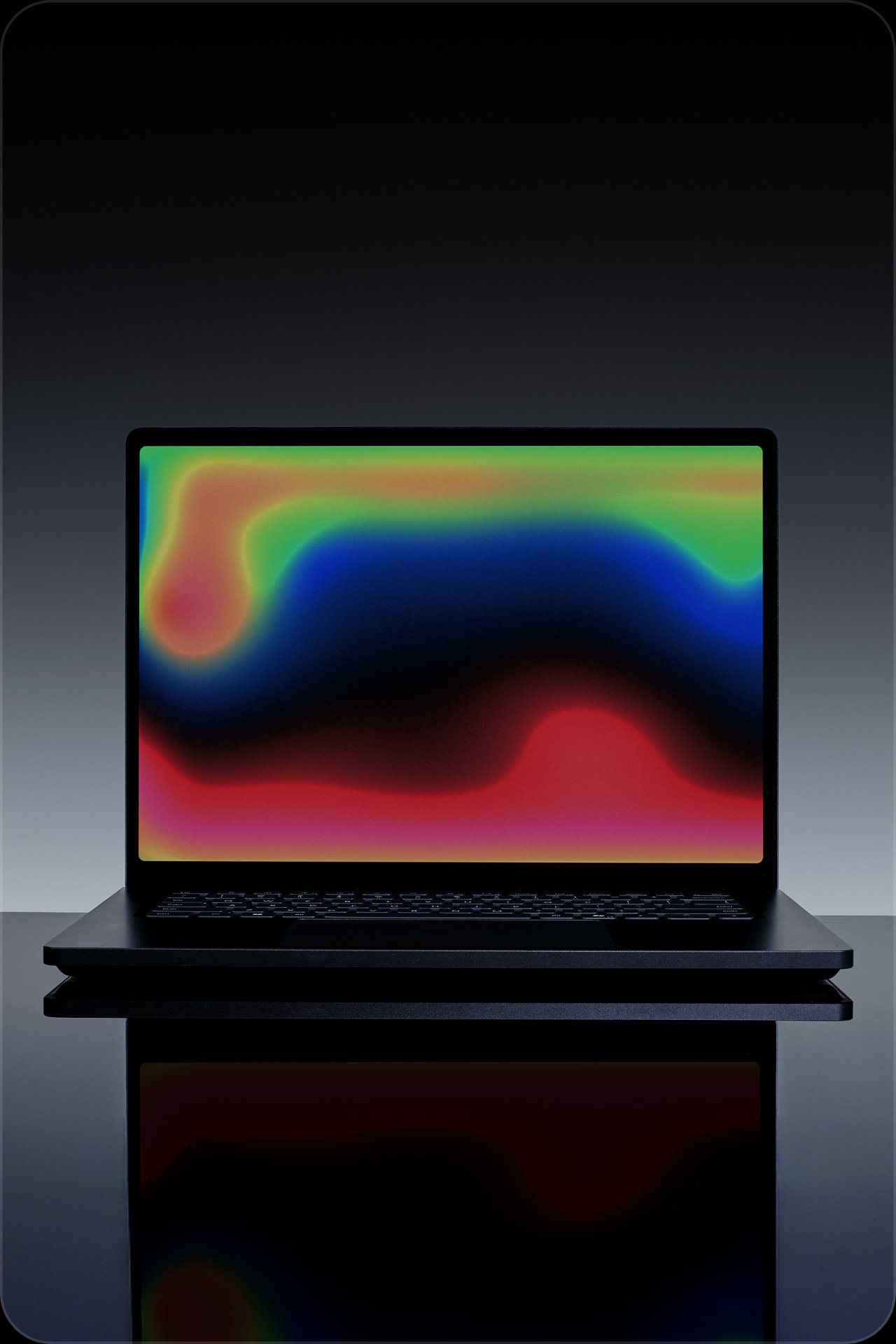
The chassis is built from a single aluminium‑magnesium alloy block, keeping the weight under 4.5 lb while still housing a substantial cooling solution. The dual‑fan design, together with a vapor‑chamber, aims to keep the GPU under 85 °C during sustained 12K video renders.
Operating‑system integration
Running such a heterogeneous silicon stack on a laptop requires deep OS changes. Microsoft has released a Windows 11 on Arm build that includes:
- Workload profile scheduler – a kernel‑level component that spreads threads across all 20 cores based on real‑time telemetry, preventing the classic “single‑core bottleneck” seen on earlier Arm laptops.
- Expanded GPU memory limits – the OS now permits the GPU to address the full 128 GB pool, a jump from the previous 8 GB limit on Arm devices.
- Optimized page size handling – larger page sizes in shared memory regions reduce TLB pressure during AI inference and large texture uploads.
- Secure containment for local agents – the OpenShell runtime, provided by NVIDIA, runs inside a sandbox that isolates AI assistants (e.g., Hermes, OpenClaw) from the core OS, mitigating supply‑chain attack vectors.
- Prism emulation improvements – an updated x86‑on‑Arm translation layer that leverages the Grace CPU’s AVX/AVX2 extensions, delivering smoother performance for legacy Windows applications.
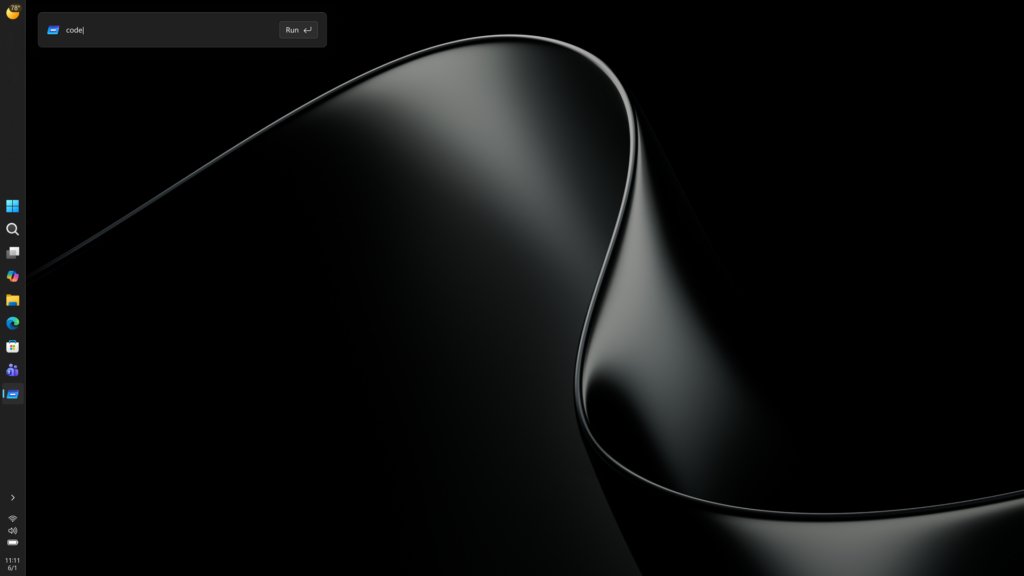
These changes are not just incremental; they are required to keep the laptop responsive when the GPU is delivering a petaflop of AI compute while the CPU is handling background tasks like email, web browsing and IDE indexing.
Why the partnership matters
NVIDIA’s involvement goes beyond providing a GPU. The RTX Spark platform integrates the Grace CPU, Blackwell GPU and NVLink‑C2C interconnect into a single silicon package (the N1X chip). This tight coupling enables:
- Zero‑copy data paths – the CPU and GPU share the same memory address space, eliminating costly memcpy operations.
- TensorRT‑accelerated pipelines – developers can compile AI models once and run them at native speed on the laptop, a capability previously limited to desktop workstations with discrete RTX cards.
- Native CUDA driver support on Windows Arm – the driver stack has been rewritten to understand Arm’s memory model, meaning existing CUDA codebases compile with minimal changes.
The result is a laptop that can edit 12K video, render massive 3D scenes, and train medium‑size diffusion models without ever leaving the device.
Market positioning and pricing expectations
Microsoft has not disclosed a price, but the component list suggests a premium tier comparable to the top‑end MacBook Pro (M2 Max) and high‑end Dell XPS Creator models. Considering the current RAM supply constraints and the cost of the custom N1X silicon, a starting price north of $3,500 would not be surprising.
The device is aimed at a niche of professionals who need on‑device AI compute—film editors, VFX artists, data scientists, and game developers—rather than the broader consumer market. Microsoft’s strategy appears to be to prove the viability of a high‑performance Arm ecosystem, then cascade the technology down to more affordable devices like the ASUS ProArt P16 or Lenovo Yoga Pro 9n, which were announced alongside the Ultra.
Early ecosystem reactions
- Adobe is already working with NVIDIA to re‑architect Premiere Pro and Photoshop for the RTX Spark platform, promising real‑time AI‑assisted masking and color grading.
- Game developers such as Riot Games and KRAFTON have announced native builds for the architecture, and anti‑cheat providers (Epic, BattlEye) have confirmed compatibility.
- Developers are testing the unified memory model with PyTorch and TensorFlow, reporting up to a 2.5× speed‑up for inference workloads compared to a traditional x86 laptop with a discrete RTX 4090.
Outlook
The Surface Laptop Ultra will likely set a new performance baseline for Windows‑on‑Arm devices. If Microsoft can keep the thermal envelope in check and deliver a stable driver experience, it could shift the perception of Arm from a low‑power niche to a genuine workstation platform.
The real test will be how the device fares against Apple’s M2 Max‑based MacBook Pro in real‑world creative workflows and whether developers adopt the CUDA‑on‑Arm toolchain at scale. For now, the Ultra represents a bold statement: Windows can host the same kind of raw compute power that has traditionally been the domain of desktop GPUs, and it can do so in a portable, premium laptop.
For the full launch video, see Microsoft’s official announcement.
Comments
Please log in or register to join the discussion