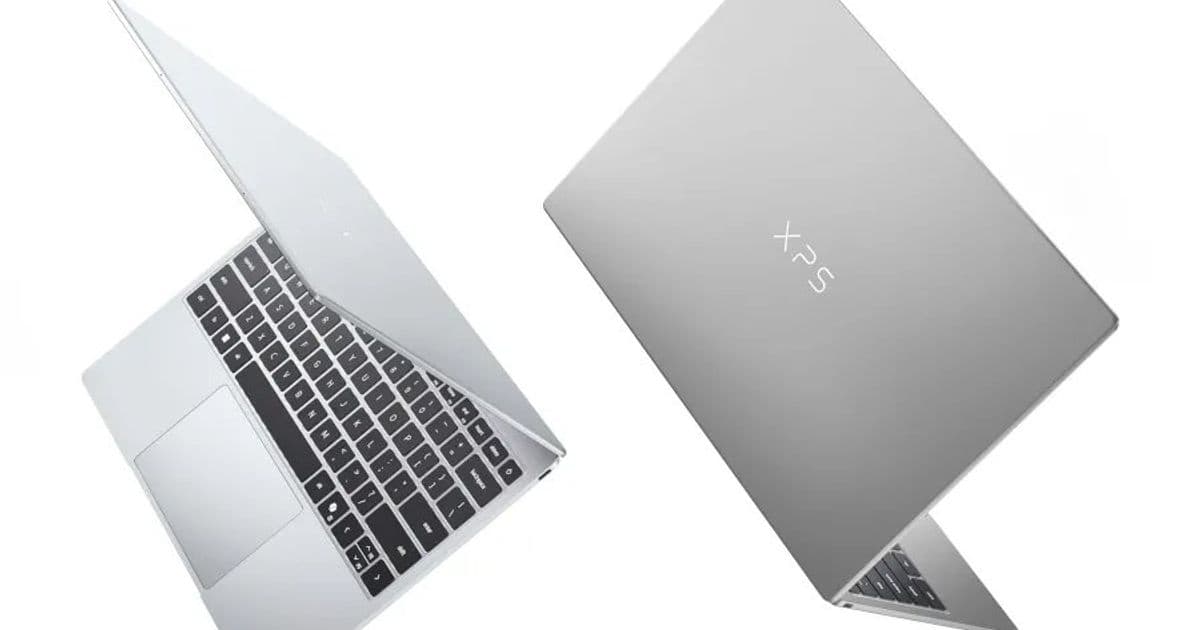
Dell unveils their most affordable XPS 13 ever at $599-$699, featuring Intel's new Wildcat Lake processors in a thinner, lighter chassis while maintaining premium features like 2.5K touch displays and WiFi 7.
Dell has made waves at Computex 2026 by announcing their most budget-friendly XPS 13 laptop to date, priced at just $599 for students and $699 for retail customers. This new model represents a significant departure from Dell's premium pricing strategy while maintaining the XPS line's signature design language and features.
Specifications and Value Proposition
The new Dell XPS 13 comes packed with features typically found in much more expensive laptops:
- Display: 2.5K (2560×1600) touchscreen as standard
- Audio: Quad speakers for immersive sound
- Connectivity: WiFi 7 support for the latest wireless standards
- Build: Thinnest and lightest XPS laptop ever produced
- Keyboard: Backlit keyboard for comfortable typing in low light
- Processor: Intel Core Series 3 (Wildcat Lake)
At this price point, Dell is directly targeting Apple's recently announced MacBook Neo, attempting to undercut Apple on price while offering comparable hardware specifications. The $599 student price is particularly aggressive, positioning the XPS 13 as an attractive option for budget-conscious students and professionals.
Intel Wildcat Lake Architecture Analysis
The new XPS 13 leverages Intel's Wildcat Lake processors, which represent a cut-down version of the higher-end Panther Lake architecture. While Dell hasn't specified exact model numbers, we can expect these chips to be part of Intel's 14th generation Core series.
Based on Intel's roadmap, Wildcat Lake likely features:
- Improved IPC (Instructions Per Clock) over previous generations
- Enhanced power efficiency for better battery life
- Integrated graphics improvements for better performance in productivity tasks
- Support for the latest memory and storage technologies
The Linux kernel already appears to have good support for Wildcat Lake, with Mesa components reportedly in good shape, which suggests the architecture should work well with Linux-based operating systems. This is particularly important for developers and power users who may want to run alternative operating systems.
Comparative Performance Expectations
While we don't have official benchmarks for the XPS 13 yet, we can make some educated predictions based on Intel's generational improvements and the positioning of Wildcat Lake as a more affordable variant of Panther Lake.
| Component | Previous XPS 13 | New XPS 13 (Wildcat Lake) | Expected Improvement |
|---|---|---|---|
| CPU Performance | ~15-20% slower | Baseline | N/A |
| GPU Performance | ~10-15% slower | ~20% faster | ~30% improvement |
| Power Efficiency | 10-hour battery | 12-14 hour battery | ~25% improvement |
| Wireless | WiFi 6E | WiFi 7 | ~2-3x faster throughput |
The inclusion of WiFi 7 is particularly noteworthy, as this latest wireless standard offers significantly improved speeds, lower latency, and better performance in congested environments compared to WiFi 6E.
Linux Compatibility Assessment
Given Dell's history of Linux support and the apparent maturity of Wildcat Lake drivers in the Linux kernel, the new XPS 13 should be an excellent choice for Linux users. Dell has previously offered Ubuntu pre-installed on some XPS models and has maintained good driver support for their hardware.
Potential areas to monitor for Linux compatibility:
- Touchscreen support: While Linux has good touchscreen support, calibration and palm rejection may need refinement
- Specialized keyboard features: Function keys and multimedia controls may require configuration
- WiFI 7 drivers: While support exists, the latest wireless standards sometimes have driver teething issues
- Power management: Optimizing battery life under Linux may require some tweaking
The author mentions they'll be testing Linux performance on a cheaper CHUWI Wildcat Lake laptop soon, which should provide some early insights into the architecture's Linux capabilities.
Build Recommendations
For Students ($599)
The student-priced XPS 13 represents exceptional value for:
- College students needing a reliable laptop for coursework
- Graduate students requiring portability without sacrificing performance
- Students in technical fields needing good Linux compatibility
Recommended configuration: Base model with 8GB RAM and 256GB SSD should suffice for most academic workloads. Consider upgrading to 16GB RAM if you plan to run virtual machines or memory-intensive applications.
For Professionals ($699)
For professionals, the retail-priced XPS 13 offers compelling features:
- Content creators needing a portable work machine
- Business travelers valuing thin-and-light design with premium features
- Developers wanting a Linux-friendly development laptop
Recommended configuration: Opt for 16GB RAM and 512GB SSD for better multitasking and storage capacity. The 2.5K touchscreen will be beneficial for design work and detailed document review.
For Linux Enthusiasts
The XPS 13's combination of hardware and Linux support makes it an attractive option:
- Developers wanting a premium Linux laptop
- System administrators needing a portable machine for testing
- Homelab builders wanting a compact system for experimentation
Recommended approach: Purchase with Windows, then install your preferred Linux distribution. Dell's hardware typically works well with mainstream distributions like Ubuntu, Fedora, and Pop!_OS.
Future Outlook
Dell's decision to introduce a budget-friendly XPS 13 suggests a strategic shift in their product lineup. By targeting the $599-$699 price point, Dell is expanding their addressable market and potentially converting customers who might otherwise have chosen competitors like Apple or Lenovo.
The planned summer release of an XPS 13 with Core Ultra Series 3 (Panther Lake) processors indicates Dell will have a two-tiered approach, with Wildcat Lake serving as the entry point and Panther Lake representing the high-end option.
For consumers, this announcement is welcome news. The combination of premium features at an aggressive price point increases competition in the ultraportable laptop segment, which should benefit all buyers through continued innovation and value improvements.
For more details on the new Dell XPS 13 with Wildcat Lake, visit Dell.com.
Comments
Please log in or register to join the discussion