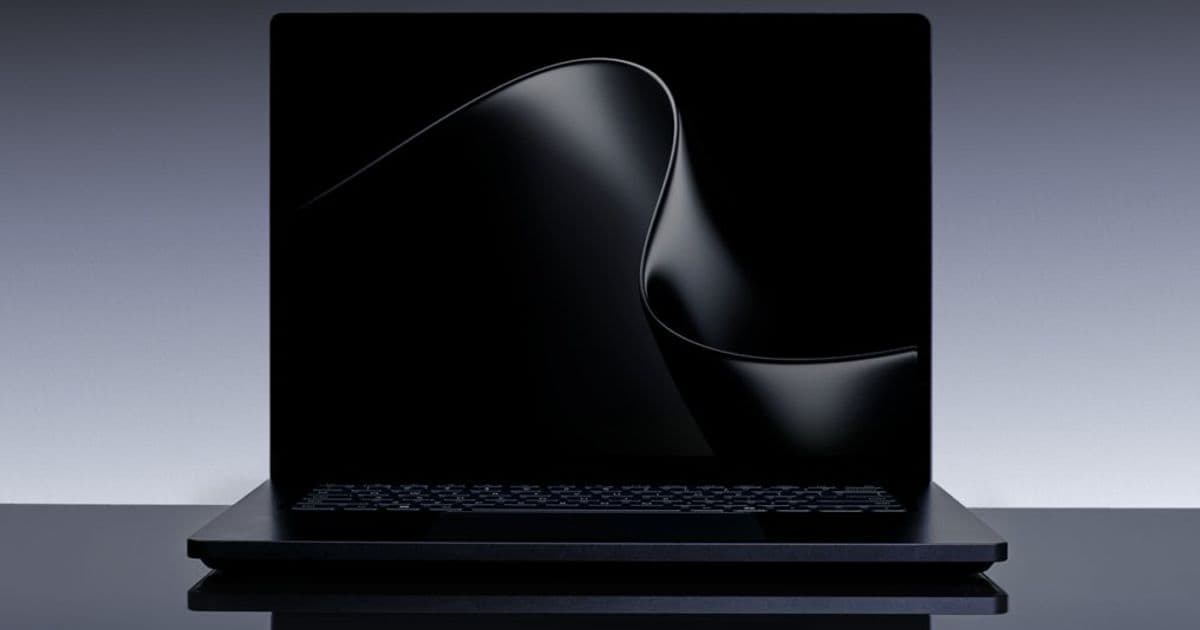
Microsoft's upcoming Surface Laptop Ultra brings serious power to the Surface lineup with Nvidia's RTX Spark SoC, mini-LED display, and unprecedented RAM capacity, though likely at a premium price point.
Microsoft has unveiled what could easily be one of its most powerful Surface-branded laptops to launch in 2026. Dubbed as the Surface Laptop Ultra, it represents a significant departure from previous Surface models in terms of raw performance and capabilities. The headline feature is its integration of Nvidia's RTX Spark SoC, a system-on-chip that promises desktop-level graphics performance in a laptop form factor. This hardware combination opens up possibilities for content creators, developers, and power users who previously might have looked elsewhere for high-performance mobile computing.
The most impressive specification is the support for up to 128 GB of RAM, a figure that surpasses most consumer laptops and even some workstations. This massive memory capacity suggests Microsoft is targeting professionals working with large datasets, complex 3D models, or virtualization tasks. For comparison, the previous Surface Laptop Studio 2 maxed out at 64 GB of RAM, making the Ultra double that capacity. The RTX Spark SoC itself is Nvidia's latest attempt to integrate powerful graphics processing with traditional CPU functions, potentially offering better performance-per-watt than discrete GPU solutions.
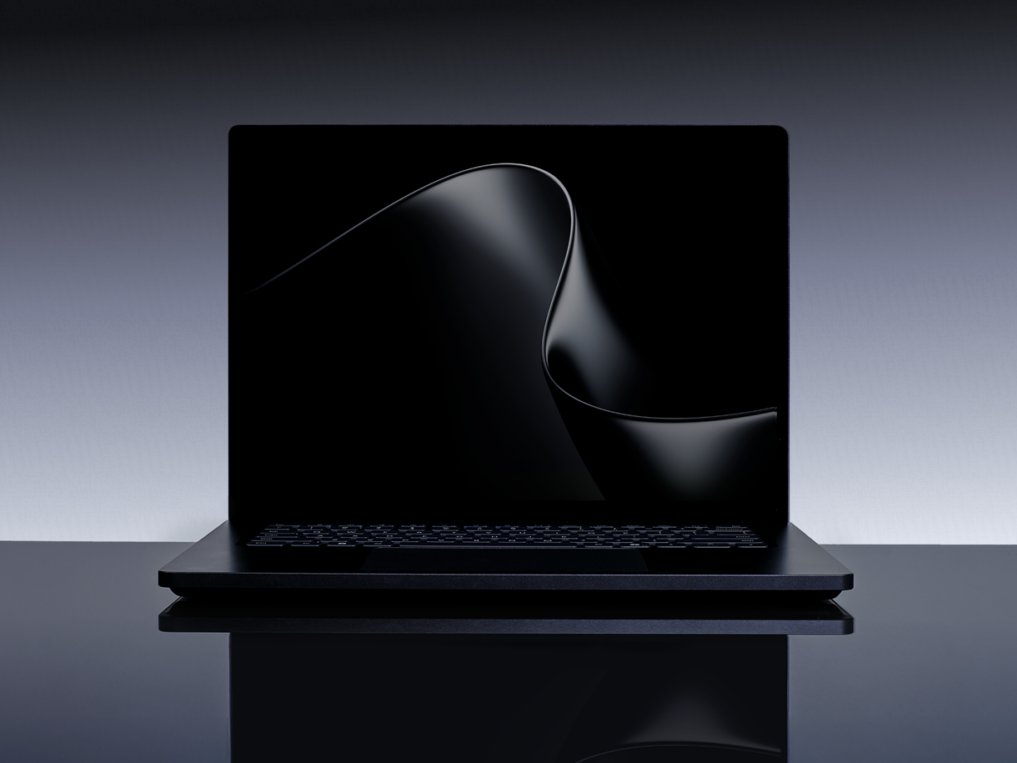
The display technology also represents a significant upgrade. Microsoft has equipped the Surface Laptop Ultra with a 15-inch mini-LED panel capable of 2,000 nits peak brightness. This brightness level exceeds most premium laptops on the market and should make the display usable in bright environments, potentially benefiting outdoor work or color-critical tasks. The 262 PPI pixel density suggests a high-resolution panel likely in the 3.2K-3.5K range with a 16:10 aspect ratio, providing excellent screen real estate for productivity work. This display technology typically offers better contrast ratios and local dimming capabilities than traditional LCD panels, though it remains to be seen how Microsoft has implemented it in terms of color accuracy and calibration.
Connectivity options appear robust for a creative professional device. Microsoft includes HDMI, USB-C, USB-A, an SD card slot, and a headphone jack. This comprehensive port selection addresses common complaints about previous Surface laptops that sometimes lacked necessary connectivity options. The inclusion of both USB-A and USB-C ports shows consideration for users with various peripherals, while the SD card slot directly benefits photographers and videographers who frequently transfer media files.
Perhaps most surprising is Microsoft's claim that the Surface Laptop Ultra has been designed with repairability in mind. Previous Surface models have notoriously been difficult to repair, often requiring complete disassembly to access components like RAM or storage. If Microsoft has indeed improved the repairability, it would represent a significant shift in their design philosophy and could potentially extend the lifespan of the device, aligning with growing sustainability concerns in the tech industry.
Battery life is claimed to be 'all day,' though this vague statement requires context. Nvidia made similar claims about the RTX Spark in its own announcement, suggesting the SoC's efficiency improvements. However, with a powerful discrete-class GPU and a high-brightness mini-LED display, actual battery life will likely depend heavily on usage patterns. Real-world testing will be necessary to determine if Microsoft's battery claims hold up under typical workloads.
When comparing the Surface Laptop Ultra to its predecessor, the Surface Laptop Studio 2, we see clear improvements in several key areas. The RTX Spark SoC should offer significantly better graphics performance than the Laptop Studio 2's RTX 3050 Ti or 4050 options. The increased RAM capacity from 64 GB to 128 GB provides headroom for more demanding applications. The mini-LED display represents a substantial upgrade over the OLED panel in the Studio 2, offering potentially higher brightness and better longevity.
In the competitive landscape, the Surface Laptop Ultra will face off against other premium Windows laptops like the Dell XPS 15, Lenovo ThinkPad P-series, and MacBook Pro 16. The RTX Spark gives it a potential advantage in graphics-intensive tasks, though Apple's M-series chips have traditionally outperformed Intel/AMD solutions in many productivity metrics. The mini-LED display positions it against high-end competitors like the MacBook Pro 14/16 and select Dell XPS models.
Pricing information remains scarce, but given Microsoft's history of premium pricing and the high-end specifications, we can expect the Surface Laptop Ultra to command a premium price point. Previous high-end Surface models have typically started around $2,000-$2,500, with configurations reaching $3,000 or more. With the RTX Spark and 128 GB of RAM, the Ultra could potentially start at $2,500 and easily exceed $4,000 in fully configured models. This pricing would place it firmly in the premium workstation category rather than the mainstream market.
The availability timeline presents some uncertainty. Microsoft states the laptop will be available later in 2026, but Moore's Law is Dead has suggested that RTX Spark-powered machines might not be widely available until 2027. This discrepancy could indicate limited initial availability or production challenges with the new SoC. Potential buyers should monitor official announcements for concrete release dates and availability information.
For whom is the Surface Laptop Ultra intended? Based on its specifications, this laptop appears aimed at creative professionals, software developers, data scientists, and other power users who require high performance in a portable form factor. The massive RAM capacity suggests users working with large datasets, 3D rendering, video editing, or virtual machines. The powerful GPU benefits those working with GPU-accelerated applications, machine learning, or gaming during downtime. The premium display targets photographers, videographers, and designers who require color accuracy and brightness.
The repairability focus suggests Microsoft is responding to professional users who value longevity and total cost of ownership. For these users, the ability to replace or upgrade components rather than replacing the entire device could significantly reduce long-term costs. The comprehensive port selection indicates consideration for users who need to connect multiple peripherals, common in professional workflows.
While the Surface Laptop Ultra shows promise, several questions remain unanswered. Microsoft's official announcement lacks details on thermal management, which will be crucial given the power of the RTX Spark. Noise levels under load, battery life during intensive tasks, and real-world performance compared to competitors are all areas that require hands-on testing. The actual quality of the mini-LED display in terms of color accuracy, uniformity, and local dimming performance will also be important factors for potential buyers.
The Surface Laptop Ultra represents Microsoft's most ambitious attempt to compete in the high-performance laptop market. By incorporating cutting-edge components like the RTX Spark and addressing previous criticisms regarding repairability and connectivity, Microsoft appears to be positioning the Ultra as a serious contender for professionals who require Windows-based mobile computing. However, the premium pricing and unproven real-world performance mean it will face stiff competition from established players in the workstation and premium laptop markets.
Potential buyers should consider their specific needs before committing to the Surface Laptop Ultra. For those who require the absolute highest performance in a Windows laptop, the Ultra may justify its premium price. However, users with more moderate requirements might find better value in existing models or competitors. As with any high-end purchase, waiting for detailed reviews and benchmarks from independent sources would be advisable before making a final decision.
Comments
Please log in or register to join the discussion