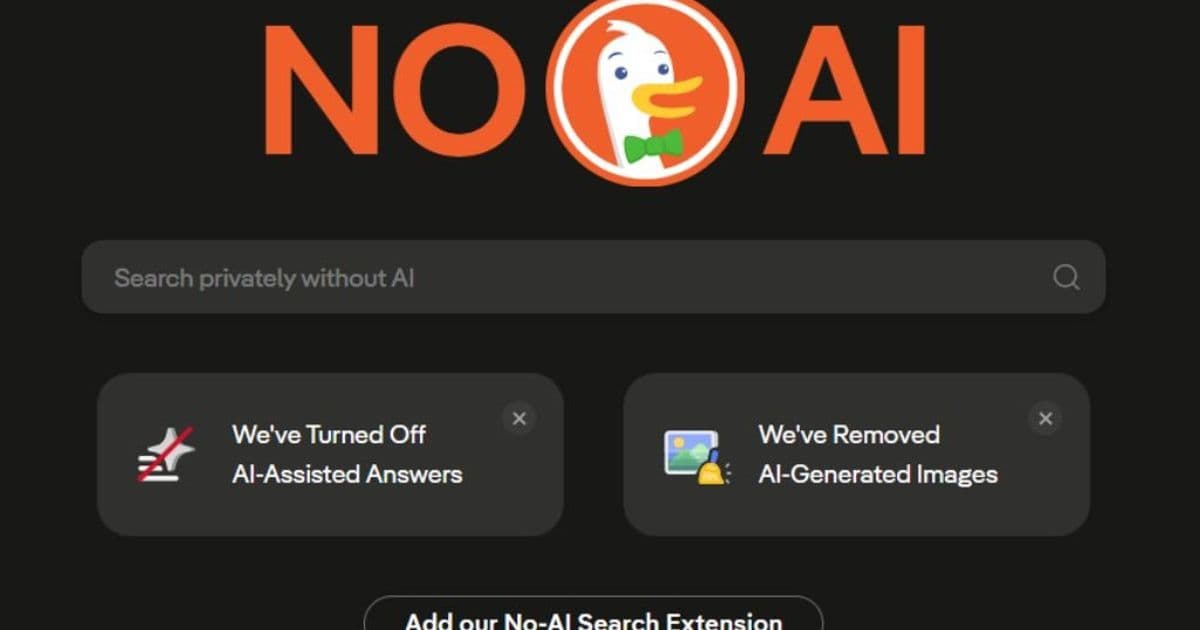
Google’s AI‑heavy announcements at I/O have driven a three‑fold jump in visits to DuckDuckGo’s no‑AI search page, as users seek a clean, opt‑out experience. The spike is reflected in app downloads and highlights a growing demand for choice in how much AI touches everyday searches.
What happened at Google I/O
On May 19, Google used its annual I/O developer conference to showcase the latest version of its AI‑enhanced search. The new AI mode sits at the top of the search box, delivers long‑form answers, and even pulls personal data from Gmail and Photos when it thinks it’s relevant. While the feature promises “more intelligent” results, it also makes the classic list‑of‑links view harder to reach for most users.
Why DuckDuckGo’s traffic exploded
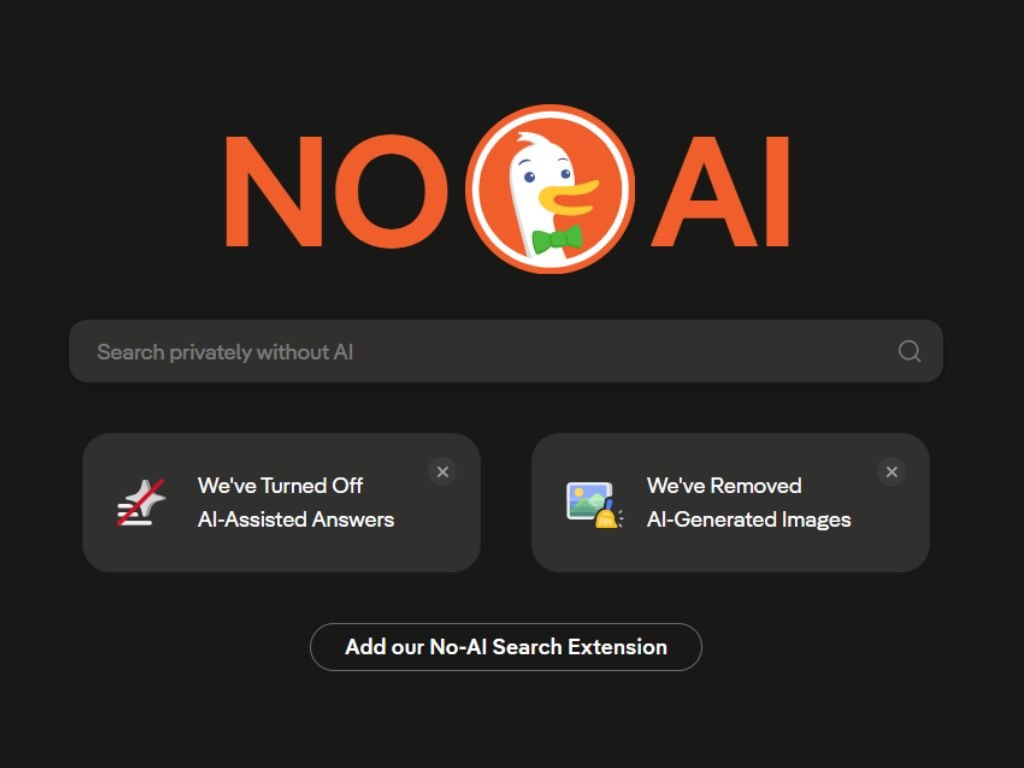
Within days of the announcement, DuckDuckGo reported a tripling of traffic to its dedicated no‑AI endpoint, no‑ai.duckduckgo.com. The site lets users turn off AI‑generated summaries and block AI‑created images, delivering a plain‑text results page that mirrors the pre‑AI Google experience. Analytics from Apptopia show a 29 % rise in daily U.S. app downloads for DuckDuckGo’s mobile client in late May, with iOS numbers climbing even faster.
The surge isn’t a fleeting curiosity. Since the I/O rollout, DuckDuckGo’s overall traffic has settled at roughly 84 % above its normal baseline, according to the company’s internal metrics. The pattern mirrors a broader sentiment: many searchers want the option to opt out of AI rather than being forced into a conversational interface that can produce hallucinated answers.
How DuckDuckGo’s approach differs from Google’s
| Feature | Google AI mode | DuckDuckGo No‑AI |
|---|---|---|
| Result format | Long‑form answers, snippets, AI‑generated images | Classic list of organic results only |
| Personalization | Pulls data from Gmail, Photos, Chrome history | No personal data used; privacy‑first by design |
| User control | AI toggle hidden in settings; hard to disable for casual users | Simple URL (no‑ai.duckduckgo.com) or toggle in settings disables all AI features |
| Potential downsides | Hallucinations, longer load times, privacy concerns | No AI‑driven shortcuts; may miss synthesized answers |
Google’s AI mode is now the default for most browsers, and skipping it requires digging into settings or using extensions. DuckDuckGo, by contrast, makes the “no AI” experience the default for its dedicated endpoint, giving privacy‑focused users a clear, frictionless path.
Who is benefitting from the shift?
- Privacy‑conscious users – Those who object to Google’s data aggregation now have a viable alternative that guarantees no personal data is harvested for AI.
- Mobile users on iOS – The App Store saw a noticeable bump in DuckDuckGo installs, suggesting iPhone users are especially sensitive to AI‑driven changes.
- Professionals needing reliable citations – When AI answers generate inaccurate facts, researchers and journalists often revert to raw search results to verify sources.
- Casual browsers – Many people simply want a quick list of links without a chatbot interjecting, and DuckDuckGo delivers exactly that.
What the numbers mean for the search market
The traffic spike is a signal, not a one‑off anomaly. If Google continues to embed AI deeper into its core product, the demand for an opt‑out will likely grow. DuckDuckGo’s founder Gabriel Weinberg summed it up succinctly: “Google is force‑feeding AI with no way to opt out. As a result, their results are getting worse, not better.” The company’s chief communications officer, Kamyl BazBaz, added, “People just want a choice.”
For advertisers and SEO specialists, the shift could redistribute a slice of the high‑intent search volume toward DuckDuckGo. While Google still dominates with a market share north of 90 %, even a modest migration of privacy‑focused users could affect keyword competition in niche categories.
What to watch next
- Google’s UI tweaks – Will Google add a more visible “disable AI” toggle? The response could blunt DuckDuckGo’s momentum.
- DuckDuckGo’s AI rollout – The company has hinted at selective AI features that remain optional. Balancing privacy with useful AI could be a differentiator.
- Regulatory pressure – Ongoing EU and U.S. discussions about AI transparency may push major platforms to provide clearer opt‑out mechanisms.
Bottom line: Google’s AI‑first push at I/O has unintentionally handed DuckDuckGo a surge of traffic. The data shows a clear appetite for a search experience that lets users decide how much AI they want – a choice that could reshape the competitive dynamics of web search in the months ahead.
Comments
Please log in or register to join the discussion