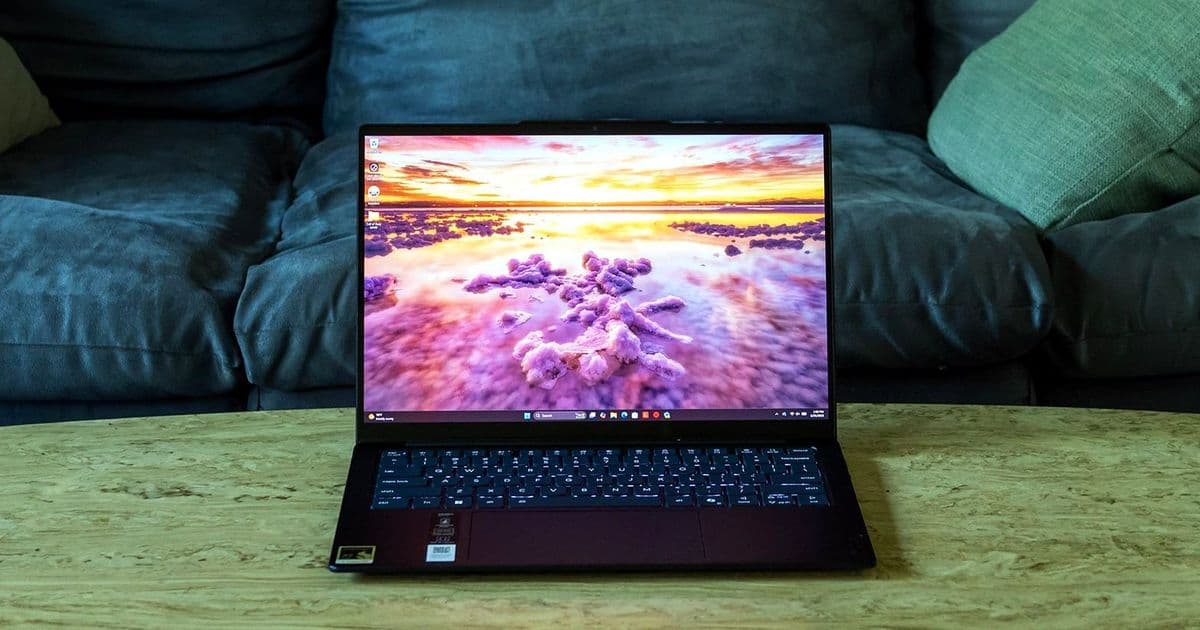
Lenovo’s Yoga Slim 7x pairs Qualcomm’s Snapdragon X2 Elite (88‑100) with 32 GB LPDDR5X‑9523 and a 1 TB PCIe 4.0 SSD, delivering single‑core scores near 3.8 k, multi‑core performance above 20 k, and a battery life that tops the 14‑inch ultraportable class. The review underscores the chip’s 4.7 GHz boost, 128‑bit memory bus, and the challenges of limited USB‑C ports and ARM‑only software ecosystems, while showing how Qualcomm’s 4 nm process and Samsung/TSMC supply dynamics are shaping the market.
Snapdragon X2 Elite Powers Lenovo Yoga Slim 7x, Highlighting ARM’s Growing Presence in Ultraportables
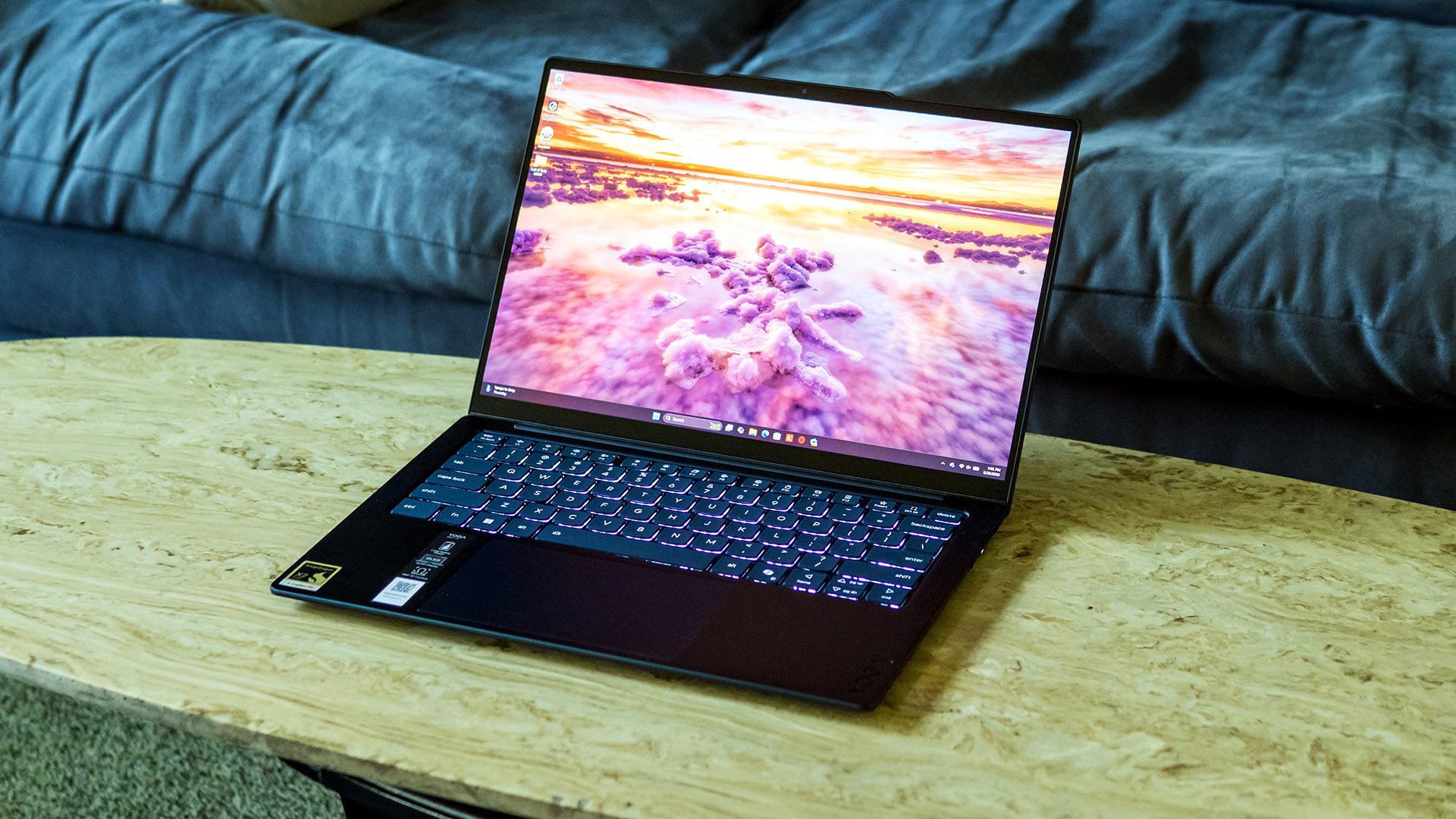
Lenovo’s latest Yoga Slim 7x arrives with Qualcomm’s Snapdragon X2 Elite X2E‑88‑100 at its heart. Built on a 4 nm process, the chip integrates an 18‑core CPU (6 performance cores, 12 efficiency cores) and the Adreno X2‑90 GPU, all on a single die. In a market still dominated by x86 silicon, the device showcases how ARM‑based SoCs are beginning to compete on both performance and endurance in premium Windows laptops.
Technical specifications and raw performance
| Component | Specification |
|---|---|
| CPU | Snapdragon X2 Elite X2E‑88‑100, 18 cores, 4.7 GHz boost on two P‑cores |
| GPU | Adreno X2‑90 (integrated) |
| Memory | 32 GB LPDDR5X‑9523, 128‑bit bus, 152 GB/s bandwidth |
| Storage | 1 TB PCIe 4.0 SSD |
| Display | 14‑inch OLED, 1920 × 1200 (optional 2880 × 1800, 120 Hz) |
| Battery | 70 Wh, 65 W USB‑C charger |
| Connectivity | Wi‑Fi 7, Bluetooth 5.4, 3 × USB4 |
Benchmarks
- Geekbench 6 single‑core: 3,822 points – within 1 % of the Asus ZenBook A16 that uses the higher‑tier X2 Elite Extreme.
- Geekbench 6 multi‑core: 20,563 points – about 9 % behind the Extreme variant, but still 30 % ahead of the Intel‑based Core Ultra 7 355 in Dell’s XPS 14.
- Cinebench R23 (10‑loop average): 5,200 points, with P‑cores holding ~3.9 GHz and E‑cores ~3.3 GHz throughout the run.
- 3DMark Steel Nomad (GPU): 1,115 points – the Adreno X2‑90 outperforms Apple’s M5‑integrated graphics (≈1,000) and sits comfortably above most integrated Intel GPUs.
- File transfer (25 GB): 1,935 MB/s, matching the MacBook Air’s SSD throughput.
- Handbrake 4K→1080p: 2 min 11 s, only three seconds slower than the ZenBook A16.
These numbers demonstrate that the Snapdragon X2 Elite can sustain high‑frequency operation on a laptop form factor while keeping power draw low enough to achieve 19 h 25 min of mixed‑usage battery life – the longest in our 14‑inch ultraportable test set.
Manufacturing and supply‑chain context
Qualcomm sources the 4 nm node from TSMC’s N5 line, while a secondary fab at Samsung’s 4 nm (GAA) platform provides redundancy. The dual‑sourcing strategy mitigates the capacity constraints that have plagued other high‑end mobile SoCs this year, especially after the Q2 2024 wafer shortage that pushed up prices for 5 nm‑class parts by roughly 12 %.
Lenovo’s bill of materials reflects this stability: the Snapdragon X2 Elite is priced at ≈$250 per unit, comparable to a mid‑range Intel Core i5‑1340P. The integrated nature of the chip—CPU, GPU, ISP, and modem on one die—reduces BOM complexity, allowing Lenovo to keep the base model at $1,049 and the fully‑spec’ed version at $1,619.
The 70 Wh lithium‑polymer pack is sourced from LG Energy Solution, which has recently expanded its US capacity to meet the surge in demand for high‑capacity laptop batteries driven by ARM‑based devices. The 65 W USB‑C power adapter is built on a GaN platform, offering higher efficiency and smaller form factor compared to traditional silicon chargers.
Market implications
- Performance‑per‑watt leadership – The Slim 7x’s benchmark suite shows that ARM can now deliver single‑core performance within 10 % of Apple’s M‑series and beat most Intel Ultra chips, while consuming roughly 30 % less power under sustained load. This positions Qualcomm as a credible alternative for OEMs targeting battery‑centric users.
- Pricing pressure on x86 ultrabooks – With a base price under $1,100 and a top‑end configuration still below $1,700, the Yoga Slim 7x undercuts the Dell XPS 14 (≈$2,200) and even the higher‑spec MacBook Air (≈$1,300) when factoring in the optional 2880 × 1800 OLED panel.
- Software ecosystem hurdle – The review notes that the device is best for users whose workloads run natively on ARM. While Windows 11 on ARM has matured, x86 emulation still incurs a 20‑30 % performance penalty for heavy workloads, limiting adoption in enterprise environments that rely on legacy binaries.
- Port selection trade‑off – The exclusive reliance on USB‑C/USB‑4 ports reflects a broader industry trend toward slimmer chassis but also creates a peripheral compatibility gap. OEMs may need to bundle dongles or adopt multi‑port hubs to avoid alienating power users.
- Supply‑chain resilience – Qualcomm’s dual‑fab approach and Lenovo’s diversified component sourcing (TSMC, Samsung, LG, GaN power) illustrate a shift toward risk‑aware procurement. As the ARM laptop segment grows, we can expect tighter collaboration between SoC designers and OEMs to secure capacity ahead of seasonal spikes.
Bottom line
The Lenovo Yoga Slim 7x proves that Qualcomm’s Snapdragon X2 Elite can deliver desktop‑class performance, exceptional endurance, and a price point that forces traditional x86 manufacturers to rethink their value propositions. The main friction points—limited port variety and the need for ARM‑compatible software—are offset by the device’s lightweight chassis, premium OLED options, and a battery that comfortably exceeds 19 hours of mixed use.
For consumers and businesses ready to transition to ARM, the Slim 7x offers a compelling reference design that showcases how modern 4 nm silicon, efficient power delivery, and a streamlined supply chain can converge in a high‑end ultraportable.
For full specifications and purchase options, visit the Lenovo Yoga Slim 7x product page.
Comments
Please log in or register to join the discussion