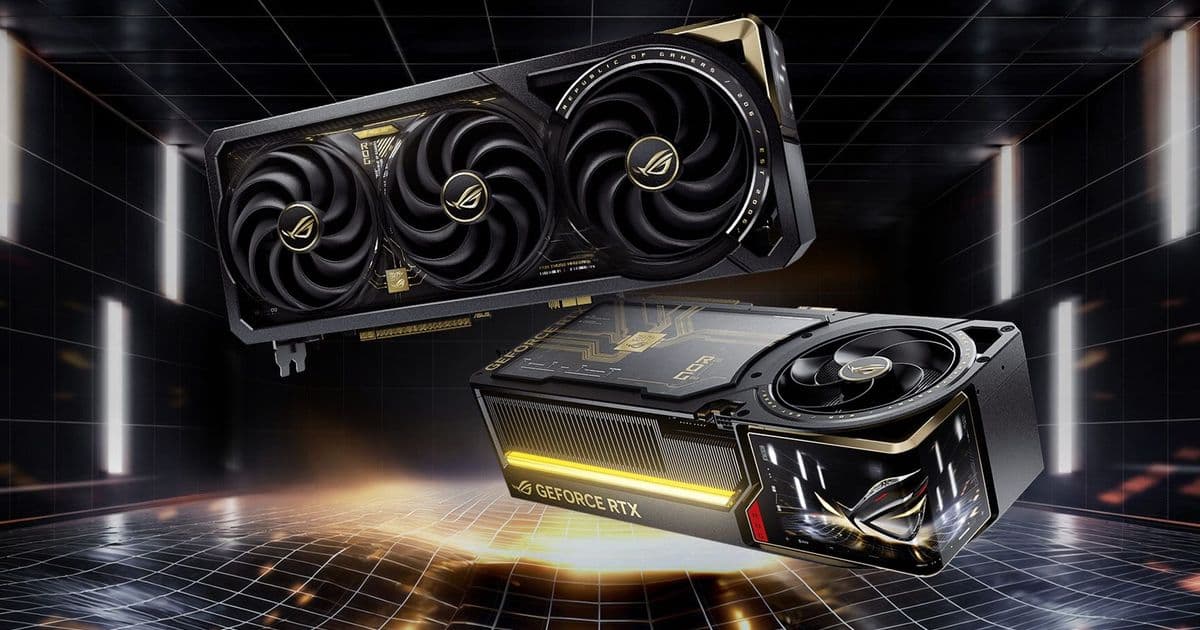
At Computex, Asus unveiled the RTX 5090 Edition 20 graphics card, a 4.7‑slot monster that pushes clock speeds to 2.75 GHz, adds a detachable 800 W HPWR adapter and a hidden 1 200 W power‑stage connector, and sports a 15‑inch curved AMOLED panel for live telemetry. The launch is paired with a 3 000 W titanium‑rated PSU and a matching case, raising questions about power‑budget planning and component availability in 2024‑25.
Announcement
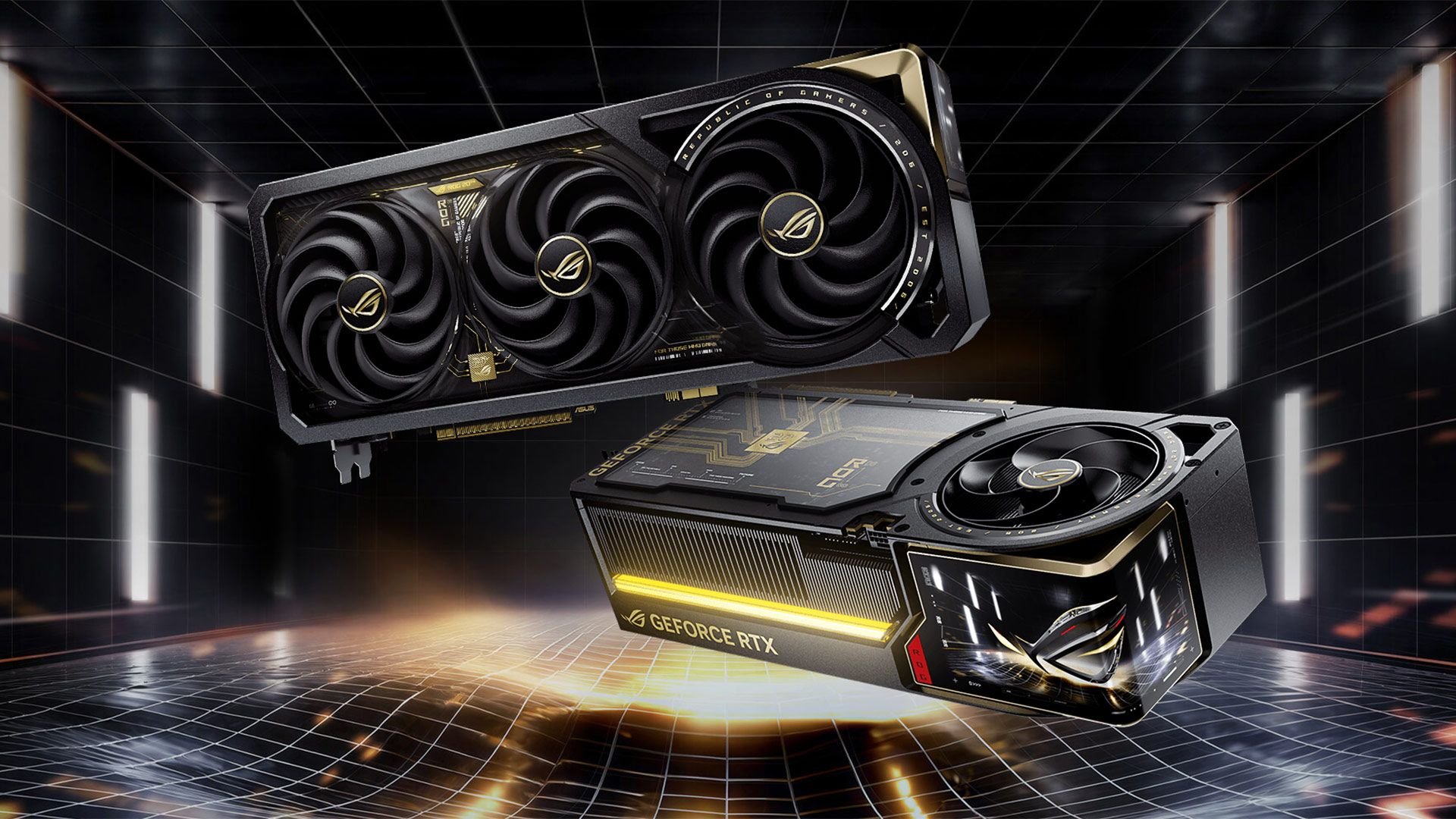
Asus used its Computex showcase to roll out the ROG Astral GeForce RTX 5090 Edition 20. The card arrives in a black‑and‑gold chassis, carries a 15‑inch curved AMOLED screen, and is marketed as the most power‑hungry consumer GPU to date. Alongside the GPU, Asus introduced a 3 000 W titanium‑rated PSU, a matching modular case, and a full line of Edition 20 accessories.
Technical specifications
| Feature | Specification | Comparison |
|---|---|---|
| GPU core | NVIDIA Ada Lovelace GA102‑400 | Same silicon as reference RTX 5090 |
| Boost clock (OC mode) | 2 750 MHz | 11 % higher than the standard Astral (2 467 MHz) |
| Memory | 24 GB GDDR6X @ 21 Gbps | Identical to reference |
| Power delivery | Dual‑input: detachable GC‑HPWR 800 W adapter + hidden 12‑pin 1 200 W connector | Reference card limited to 600 W via single 12‑pin |
| Slot width | 4.7‑slot (≈ 38 mm) | 3.8‑slot on non‑Edition 20 model |
| Cooling | Triple‑fan, vapor‑chamber, liquid‑metal GPU die | Same architecture as previous Astral RTX 5090 |
| Display | 15‑inch curved AMOLED, 1080p, 120 Hz, 10‑bit color | First consumer GPU with integrated screen |
| Recommended PSU | 1 200 W (for full 800 W + 400 W headroom) | Exceeds typical 850 W recommendation for RTX 5090 |
The detachable GC‑HPWR adapter follows the new NVIDIA 12‑pin standard but adds a proprietary high‑current path that can sustain 800 W continuously. The hidden 12‑pin connector on the PCB is rated for 1 200 W, allowing the card to draw the full 1 000 W+ envelope when paired with the ROG Thor 3000W Titanium III PSU. The PSU itself features a magnetic OLED display, modular 48 VDC rails, and an efficiency rating of 96 % at 50 % load.
How the AMOLED panel works
The built‑in screen is driven by a low‑power ARM Cortex‑M4 controller and connects to the GPU via a dedicated PCIe‑Gen 4 lane. Firmware in Armoury Crate Edition 20 can map telemetry (core clock, temperature, power draw) to custom animations, turning the panel into a real‑time performance HUD. Because the display runs at 120 Hz, frame‑accurate updates are possible without adding perceptible latency to the main output.
Market implications
Power‑budget planning
The 800 W adapter pushes the total draw of a single GPU well beyond the 600 W ceiling that most high‑end builds have been designed around. System integrators will need to consider:
- PSU sizing – A 1 200 W unit becomes the practical minimum, which narrows the pool of readily available PSUs. The 3 000 W Thor is a niche product aimed at enthusiasts willing to pay a premium for headroom.
- Cabinet clearance – At 4.7 slots the card occupies nearly half a standard ATX chassis width, limiting compatibility with mid‑tower cases.
- Thermal envelope – Even with vapor‑chamber cooling, the GPU can exceed 100 °C under sustained 100 % load, demanding high‑flow case fans or liquid‑cool loops.
Supply‑chain considerations
Asus is positioning the Edition 20 line as a limited‑run celebration, which means production volumes will be far lower than the mainstream RTX 5090. The dual‑input power architecture also requires a custom HPWR cable that is not yet stocked by most retailers. Early adopters may face lead times of 8‑12 weeks, and the 3 000 W PSU will likely be allocated to pre‑built ROG G1000 systems first.
Competitive context
AMD’s upcoming Radeon 7900 XT XTX is expected to stay under 500 W, reinforcing Nvidia’s power‑centric strategy for the high‑end segment. Intel’s Arc A770 Extreme also caps at 350 W. Asus’ move therefore differentiates the RTX 5090 not just by raw performance but by power‑delivery capability, a factor that could attract overclocking enthusiasts and workstation users who need sustained compute power.
Outlook
The RTX 5090 Edition 20 showcases how manufacturers are willing to push the envelope of power delivery, cooling, and user interaction. For builders, the card offers a measurable performance bump (≈ 12 % higher boost clock) and a unique telemetry display, but it also forces a rethink of PSU sizing, case selection, and cooling strategy. Given the limited production run and the specialized 800 W adapter, the card will likely remain a collector’s item rather than a mass‑market staple.
For more details on the specifications, see the official Asus product page.
Comments
Please log in or register to join the discussion