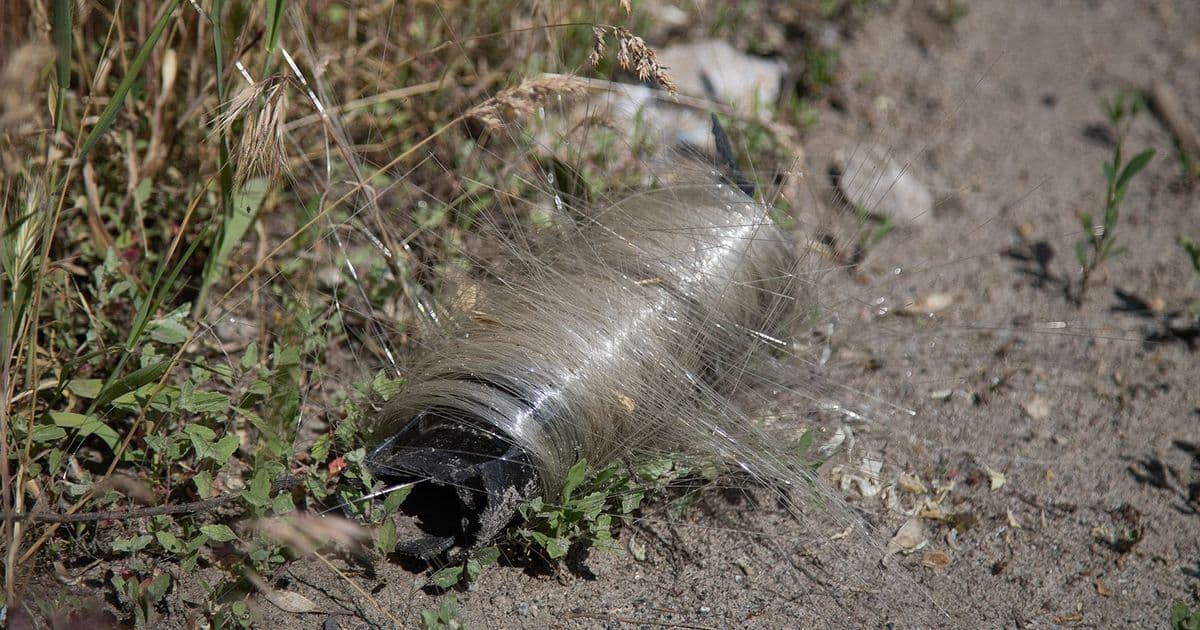
In the war‑torn landscapes of Ukraine, birds have begun weaving nests from discarded drone fiber‑optic cables. This article examines the material properties that make fiber attractive to avian builders, the scale of fiber waste generated by tethered drone operations, and the broader implications for the defense drone market and environmental stewardship.
Announcement
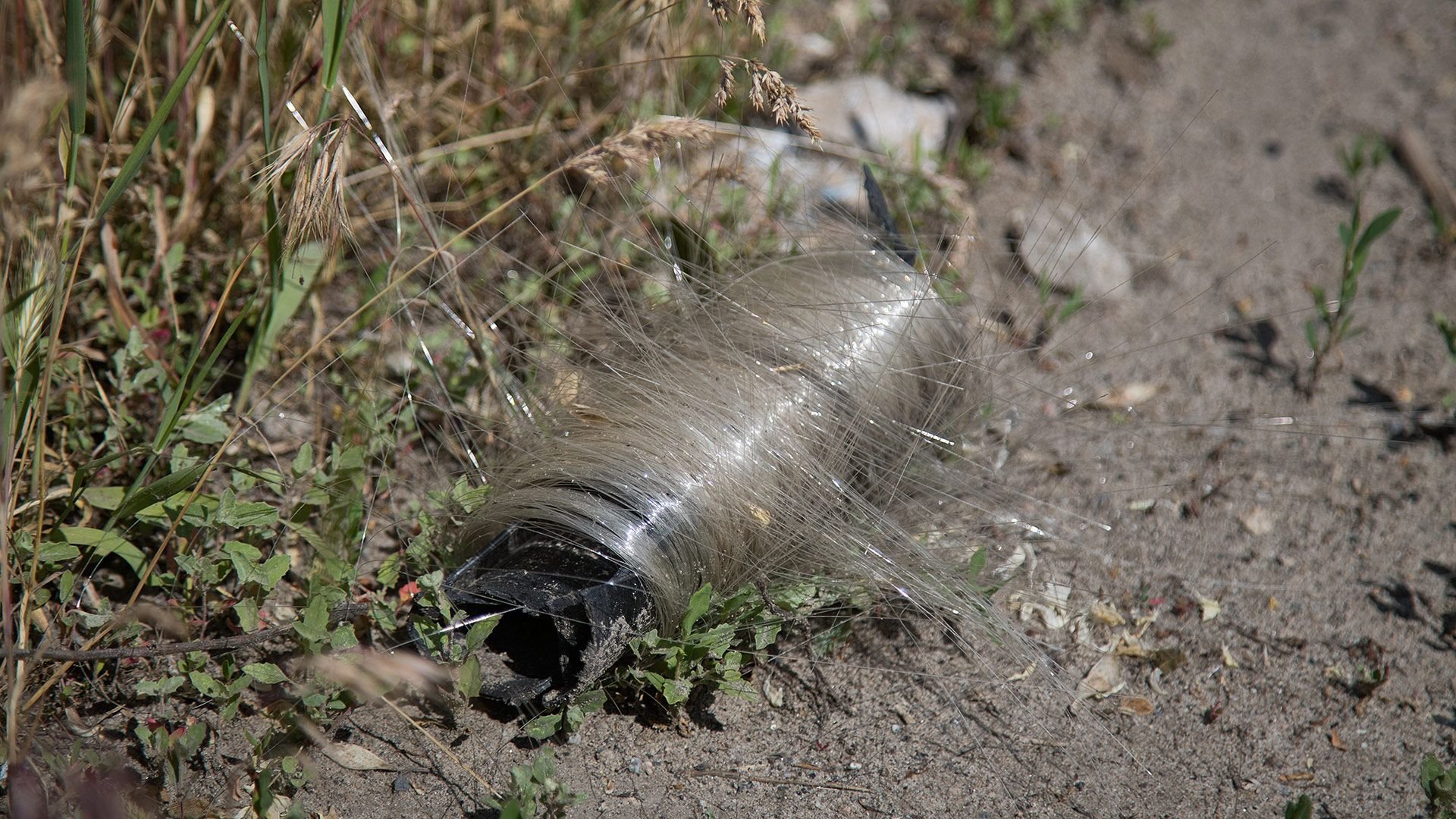
In mid‑2026, a Ukrainian civil‑society leader, Olena Tregub, shared photographs on X of sparrows constructing nests from shredded drone fiber‑optic cable. The images—captured near a collapsed tree in Donbas after a Russian glide bomb strike—showed nests composed of thin, flexible strands that are the by‑product of tethered drone warfare. The phenomenon, dubbed an “apocalyptic bird’s nest,” has attracted attention from environmentalists, defense analysts, and the broader tech community.
Technical Specs
Fiber‑Optic Cable as a Building Material
- Diameter – Commercially used optical fibers are 125 µm in core diameter with a 250 µm cladding, wrapped in a 0.5–1 mm polymer jacket. The jacket’s tensile strength exceeds 1 GPa, providing exceptional durability.
- Thermal Conductivity – Polyimide and fluorinated polymers used in cable jackets have thermal conductivities of 0.1–0.2 W m⁻¹ K⁻¹, making them excellent insulators. Birds likely exploit this property to maintain nest temperature in cold Ukrainian winters.
- Weight‑to‑Strength Ratio – The cable’s lightweight nature (≈0.3 g m⁻¹) combined with high tensile strength allows birds to weave long, continuous strands without breaking, a key advantage over traditional twigs.
Scale of Fiber Waste
- Tether Lengths – Recent reports indicate Russian FPVs now operate with tethers up to 65 km, a 55 % increase over earlier Ukrainian models that capped at 42 km. Each 65 km tether can weigh approximately 12 kg, translating to a massive volume of discarded cable when drones crash or are jettisoned.
- Environmental Footprint – Assuming an average of 1,000 tether deployments per month across conflict zones, the annual fiber waste could reach 144 000 kg, equating to the mass of 36,000 standard 4‑meter cable spools.
Market Implications
Drone Design and Supply Chain
The shift to longer tethers has driven demand for lighter, stronger fiber materials. Manufacturers are now sourcing high‑modulus polymers and exploring hybrid cable designs that reduce weight by up to 20 % while maintaining tensile strength. This trend mirrors the semiconductor industry's move toward lower‑k dielectrics to improve signal integrity.
Environmental and Regulatory Response
The visible accumulation of fiber strands has prompted Ukrainian environmental agencies to issue guidelines for drone operators: mandatory retrieval protocols and the use of biodegradable cable jackets. International bodies are monitoring whether similar regulations will apply to other conflict zones, potentially reshaping the global defense drone market.
Wildlife Adaptation as a Market Signal
The birds’ use of fiber demonstrates a real‑world test of material performance under extreme conditions. Defense contractors are now collaborating with ecologists to study how fiber properties influence nesting behavior, hoping to extrapolate findings to improve drone durability and post‑mission recovery.
Conclusion
The emergence of fiber‑optic nests in Ukraine is more than a quirky anecdote; it highlights the unintended ecological consequences of modern warfare and underscores the need for materials that are both high‑performance and environmentally responsible. As tethered drone technology evolves, so too will the strategies for managing its by‑products, with implications that span from battlefield logistics to wildlife conservation.
For more on drone tether technology, see the official documentation on optical fiber spools.
Comments
Please log in or register to join the discussion