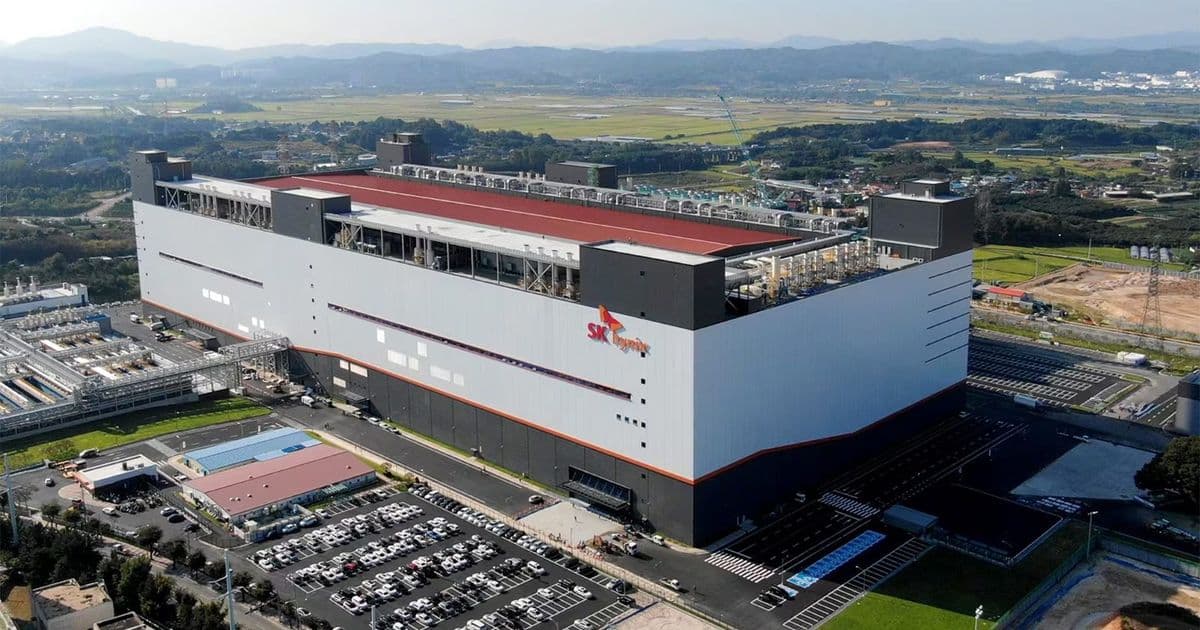
A fire in a fluorine‑gas handling room on SK hynix’s Cheongju 4th campus forced the evacuation of the entire 3,600‑person fab. Seven workers were hospitalized for eye irritation and respiratory exposure, but the company says production on the M15/M15X lines will not be disrupted. The incident raises short‑term supply‑chain concerns for DDR5 and HBM2E memory, which already operate near full capacity.
Fluorine Leak Forces Full Evacuation of SK hynix Cheongju Memory Fab
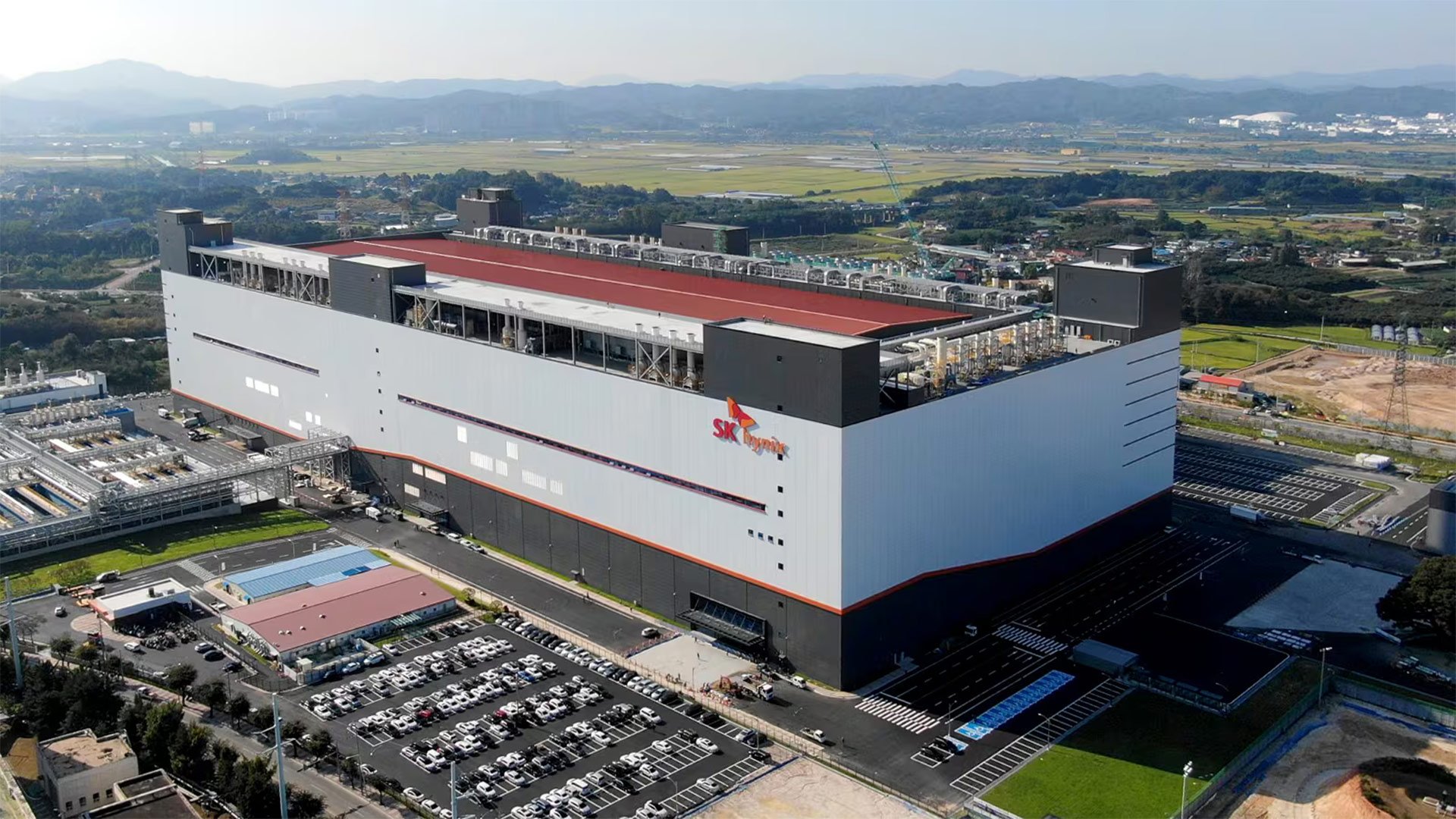 Image credit: SK hynix
On 10:23 am KST a fire ignited in the fluorine‑gas handling room that links the M15 and M15X production lines on the 6th floor of SK hynix’s Cheongju 4th campus. Sprinklers suppressed the blaze within seconds, but the reaction released an estimated 5 ppm of fluorine into the enclosure where seven operators were working. Five of those workers were treated for eye irritation, two remain under observation, and all 3,600 employees on the site have been evacuated while cleanup proceeds.
Technical context: why fluorine matters in a memory fab
Fluorine is a key reactant in several steps of advanced DRAM and HBM manufacturing:
| Process step | Typical fluorine use | Typical concentration limit |
|---|---|---|
| Plasma‑enhanced etching (PE) of high‑k dielectrics | CF₄, SF₆, NF₃ mixtures | < 0.1 ppm (occupational exposure limit) |
| Cleaning of wafer carriers and reticle tables | Pure F₂ gas for oxide removal | 0.5 ppm |
| Chamber passivation | Fluorine‑containing precursors | 1 ppm |
In a fab that runs 3‑nm class NAND and 1‑nm class DRAM nodes, any uncontrolled fluorine release can corrode copper interconnects, damage low‑k dielectric films, or create micro‑shorts in the dense metal stack. The M15 line produces DDR5 modules on a 1‑nm (14‑L) process, while M15X is the dedicated HBM2E line using a 2‑nm (20‑L) process. Both lines rely on ultra‑clean environments; a 5 ppm spike is well above the safety threshold for equipment but, according to the company, the fire was confined to the gas‑room plumbing and did not reach the wafer chambers.
Immediate operational impact
- Equipment status – SK hynix officials confirmed that no wafer‑processing tools were exposed to the fluorine plume. All lithography, etch, and deposition tools remain powered and calibrated.
- Yield risk – Even a brief exposure of a single chamber to fluorine can etch copper or damage low‑k dielectrics, potentially reducing yield by 0.5‑1 pp. Because the affected area was isolated, the risk is limited to the gas‑room infrastructure.
- Production schedule – The M15 line runs a 24‑hour, 7‑day cadence, targeting ≈ 120 k wafers per week. A full‑fab shutdown of even 4 hours would shave roughly 0.7 % off weekly output. SK hynix’s statement that “there are no issues with equipment operation” suggests they expect to resume the normal run‑rate after air‑quality clearance.
Market implications
Short‑term supply pressure
The global DDR5 market is currently operating at ≈ 95 % of capacity, with SK hynix supplying ≈ 30 % of the volume. A four‑hour hiccup translates to a loss of ≈ 3 k DDR5 modules, a figure that is small in absolute terms but can tighten inventories for OEMs that run on just‑in‑time logistics. HBM2E, used in high‑end GPUs and AI accelerators, is even tighter; the M15X line accounts for ≈ 15 % of global HBM supply. Any delay in that lane can push spot prices up by 2‑3 % for the next two weeks, according to Bloomberg’s semiconductor index.
Longer‑term risk perception
Repeated safety incidents can affect a fab’s availability factor (A‑factor), a key metric for customers when allocating wafer capacity. If the incident triggers a more thorough audit of gas‑handling infrastructure, SK hynix may schedule preventive shutdowns on the order of 12‑24 hours across both campuses later in the quarter. That would shave ≈ 2‑4 % off monthly output, a non‑trivial amount for customers with tight lead times.
Competitive dynamics
Samsung and Micron, the other two memory giants, are currently operating at ≈ 92 % and ≈ 88 % of their respective DDR5 capacities. A modest dip in SK hynix supply could give those rivals a brief pricing edge, especially in the server‑grade DDR5‑5600 segment where price elasticity is higher. However, given the limited scale of the disruption, any shift is likely to be absorbed within existing inventory buffers.
Safety and regulatory follow‑up
South Korean occupational safety regulations require a 30‑day investigation for any release above 0.5 ppm of highly toxic gases. The Ministry of Employment and Labor will likely demand:
- Root‑cause analysis of the sprinkler activation and gas‑line integrity.
- Air‑monitoring data for the 24 hours following the incident.
- Re‑certification of all fluorine‑handling equipment before the fab can resume full operation.
SK hynix has pledged to complete air‑quality testing within 48 hours and to publish the results to its customers.
Bottom line
The fluorine fire at SK hynix’s Cheongju 4th campus was contained quickly, and no wafer‑processing equipment appears to have been compromised. Production on the high‑volume M15 DDR5 line and the M15X HBM2E line is expected to resume with minimal delay, limiting the immediate impact on global memory supply. Nevertheless, the incident underscores the fragility of ultra‑clean fabs that handle reactive gases, and it could translate into a short‑term price uptick for DDR5 and HBM2E if follow‑up safety measures force a scheduled downtime later this quarter.
Comments
Please log in or register to join the discussion