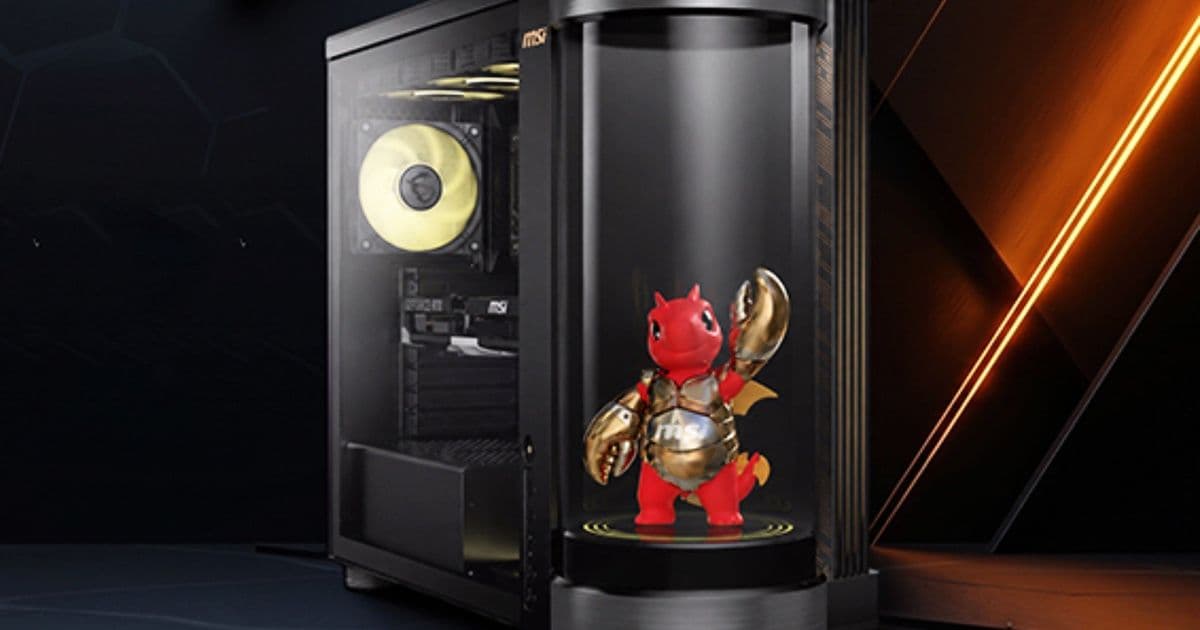
At Computex 2026 MSI introduced the next‑gen MEG Vision X2 AI+ gaming desktop, swapping the series’ touchscreen for a floating hologram that hosts LuckyClaw, a cartoon‑dragon AI assistant. The tower is expected to ship with an RTX 5090 GPU and top‑tier Intel Core Ultra 9 285K CPU, but pricing and full specs remain under wraps.
MSI’s holographic AI assistant takes the spotlight
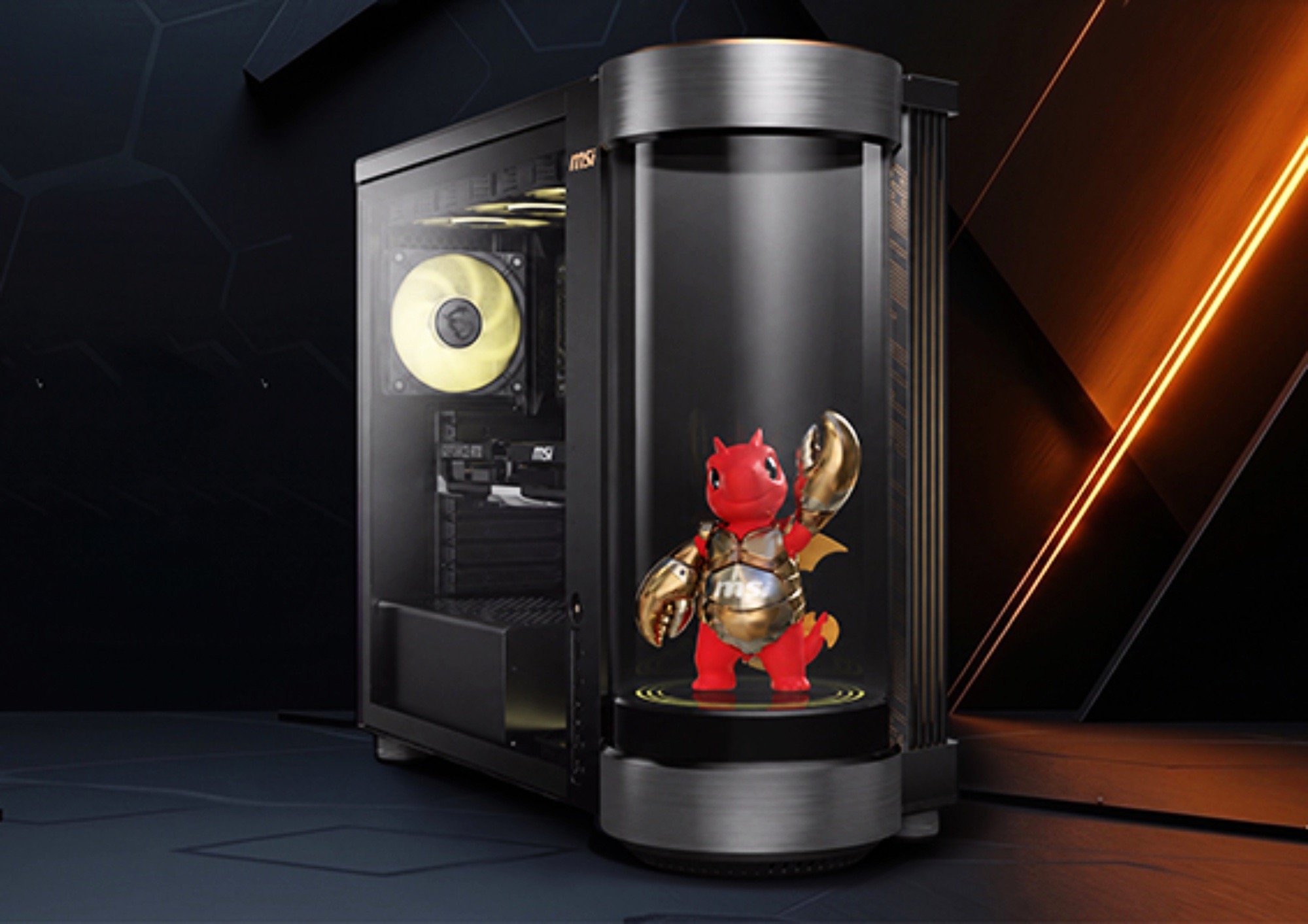
MSI’s MEG Vision line has always been about making the chassis itself a user interface. The previous flagship, the MEG Vision X, featured a 15‑inch capacitive touchscreen on the front panel. This year the company replaced that panel with a “AI Holostage” – a small, free‑floating hologram that projects a 3‑D avatar of LuckyClaw, MSI’s in‑house AI assistant that looks like a cartoon dragon.
What the Holostage actually does
LuckyClaw can be summoned by a simple voice command or a tap on the hologram’s surface. In the demo video shown at Computex, the assistant answered a greeting but failed to pull up a weather report, suggesting that the software side is still a work in progress. MSI says the Holostage is not limited to LuckyClaw; users will be able to load other virtual pets or third‑party AI agents, turning the front of the tower into a small stage for interactive avatars.
The system includes an array of microphones and directional speakers built into the chassis, allowing two‑way conversation without a separate monitor or headset. In theory, you could ask the assistant to launch a game, check system temperatures, or control smart‑home devices, all while the PC is running in the background.
How the hardware stacks up against the predecessor
| Feature | MEG Vision X (2024) | MEG Vision X2 AI+ (2026) |
|---|---|---|
| CPU | Intel Core Ultra 9 285K | Intel Core Ultra 9 285K (expected) |
| GPU | Nvidia GeForce RTX 4090 | Nvidia GeForce RTX 5090 (at least one SKU) |
| RAM | 64 GB DDR5 | 64 GB DDR5 (upgradeable) |
| Storage | 2 TB NVMe SSD | 2 TB NVMe SSD (plus optional 4 TB add‑on) |
| Front‑panel UI | 15‑in. touchscreen | Holographic Holostage |
| Audio | 7.1 ch surround | Integrated mic/speaker array |
The core platform appears unchanged – MSI is likely re‑using the same motherboard and cooling solution that powered the 2024 model. The biggest difference is the front‑panel interface and the addition of the AI‑focused hardware (microphone array, dedicated audio DSP for voice processing). If the RTX 5090 lives up to early benchmarks, we can expect a 20‑30 % uplift in ray‑traced performance over the RTX 4090, which would keep the tower at the top of the desktop gaming hierarchy.
How it compares to rival flagships
- Alienware Aurora R15 – Alienware continues with a conventional glass side panel and a built‑in AlienFX lighting strip. Performance‑wise the Aurora R15 can also be configured with an RTX 5090, but it lacks any kind of holographic front UI. MSI’s Holostage is a clear differentiator for users who want a visual AI presence.
- Corsair Vengeance i7200 – Corsair focuses on modularity and liquid‑cooling options. The Vengeance i7200 does not include any AI assistant, but it does offer a larger internal space for custom water blocks. For pure gaming power the two systems are neck‑and‑neck; the choice will come down to whether you value the novelty of a hologram.
- HP Omen 45L – HP’s flagship also sticks to a traditional chassis but adds a “Command Center” LCD on the front. The LCD is a 7‑inch panel that displays system stats; it cannot project 3‑D images. MSI’s approach is more futuristic, though it may be seen as a gimmick until the software becomes genuinely useful.
Who might actually use the Holostage?
- Streamers and content creators – A floating avatar can become a brand mascot during live streams, giving a visual hook without extra overlay graphics.
- Enthusiasts who like a “smart‑home” hub – With voice control built into the tower, the PC can serve as a central command node for lighting, music, and IoT devices.
- Early adopters of AI assistants – Users who enjoy experimenting with chat‑bots will appreciate the dedicated mic/speaker hardware and the ability to swap out the avatar.
- Pure gamers – For those who only care about raw performance, the hologram adds cost without a clear performance benefit, so the traditional Aurora or Vengeance may still be more appealing.
What’s still unknown?
- Pricing – MSI has not released a launch price. Given the RTX 5090 and the added holographic hardware, the X2 AI+ will likely sit above the €4,500 mark that the previous model commanded.
- Software ecosystem – Will LuckyClaw integrate with major AI platforms like OpenAI or Google Gemini, or will it remain a closed‑source mascot? The answer will determine how useful the voice interface becomes.
- Availability – No launch window has been announced. MSI typically rolls out its MEG Vision line in Q4, so a late‑year release is plausible.
Bottom line
MSI is betting that a holographic AI assistant can turn a high‑end gaming tower into a more interactive centerpiece. The hardware under the hood remains top‑tier – an RTX 5090 paired with an Intel Core Ultra 9 285K and 64 GB of RAM – so performance will not disappoint. The real test will be whether the Holostage evolves beyond a novelty and becomes a genuinely helpful part of the daily workflow. Until MSI releases a pricing sheet and a more polished AI demo, the MEG Vision X2 AI+ sits at the intersection of cutting‑edge graphics and experimental user interfaces.
Sources: MSI Press Release, Computex 2026 coverage
Comments
Please log in or register to join the discussion