
Asus refreshes its Xbox‑compatible handheld with a 7.4‑inch OLED panel, higher brightness, TMR stick sensors and a bundled ROG Xreal R1 glasses kit, keeping the same AMD Z2 Extreme APU but adding a richer display and improved ergonomics.
Asus ROG Xbox Ally X20 announced
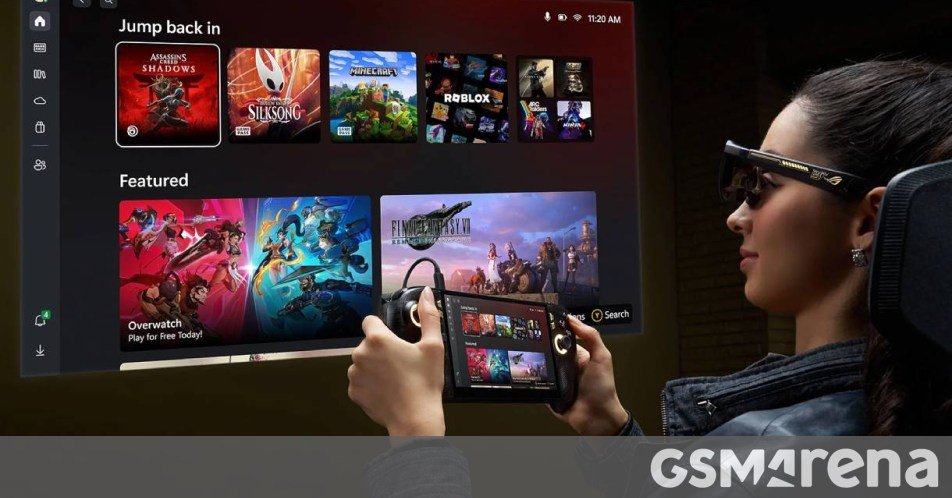 Asus has officially revealed the ROG Xbox Ally X20, the second generation of its Windows‑based handheld that runs the Xbox Cloud Gaming service. The device arrives as a bundled package with the ROG Xreal R1 Edition 20 glasses, a pair of micro‑OLED spectacles that promise a virtual 171‑inch display at 240 Hz. While the bundle pushes the price well above the original $1,000 launch of the Ally X, the hardware upgrades are substantial enough to merit a closer look.
Key upgrades
- 7.4‑inch OLED screen – The new panel measures 7.4 inches diagonally, retains the 1080p (1920 × 1080) resolution but switches from LCD to OLED. Brightness jumps from 500 nits to a peak of 1 400 nits, and the display supports VESA DisplayHDR TrueBlack 1000 and Dolby Vision. Variable refresh rate now spans 30 Hz – 120 Hz.
- TMR joystick sensors – Asus replaces the Hall‑effect sticks with TMR (Tunnel Magneto‑Resistance) sensors, which are less prone to the dreaded stick‑drift that has plagued many handhelds. The ABXY buttons sit flush with the chassis, and the D‑pad can rotate between 4‑way and 8‑way modes.
- Connectivity boost – One USB‑C 3.2 Gen 2 port, a second USB‑C 4.0 (Thunderbolt 4 + DP 2.1 with FreeSync), a 3.5 mm Hi‑Res audio jack, tri‑band Wi‑Fi 6E, Bluetooth 5.4, and a microSD Express slot for ultra‑fast external storage.
- Audio and battery – Stereo speakers now include Dolby Atmos processing. The 80 Whr Li‑Ion battery remains unchanged, with 68 W fast charging via USB‑C.
- Physical dimensions – The X20 is slightly larger and heavier (300 × 121 × 27.5‑51.3 mm, 756 g) compared with the original Ally X (290 × 121 × 27.5‑50.9 mm, 715 g).
What stays the same
The core of the handheld has not changed. Asus continues to use the AMD Z2 Extreme APU (8 cores / 16 threads, up to 5.0 GHz, 16 graphics cores) with a configurable TDP of 15‑35 W. Memory is still 24 GB LPDDR5X, and storage is a 1 TB PCIe 4.0 NVMe SSD. In other words, raw performance will match the original Ally X; the improvements are focused on display quality, input fidelity, and the optional glasses.
The ROG Xreal R1 glasses
The bundled glasses are a standout accessory. Each unit houses a micro‑OLED panel (1920 × 1080 per eye) that, when paired with the handheld, creates a virtual 171‑inch image with a 57° field of view. A 240 Hz refresh rate and 0.01 ms response time aim to eliminate motion blur for fast‑paced games. An electro‑chromic lens offers three dimming levels to combat ambient light, and the glasses connect to the Ally X20 via a single USB‑C cable. Standalone, the glasses retail for $850, so the bundle will likely sit well above $1,800 once pricing is announced.
Ecosystem considerations
The X20 is designed primarily for Xbox Cloud Gaming (xCloud), but because it runs Windows 11, it can also launch native PC titles from the Microsoft Store, Steam, Epic, and other launchers. This dual‑mode flexibility is a key differentiator from the Steam Deck, which leans heavily on Linux‑based Proton compatibility. However, the reliance on a cloud‑first workflow means a stable, high‑speed internet connection is essential for the best experience, especially when using the high‑refresh glasses.
From an ecosystem lock‑in perspective, the bundle pushes users deeper into the Microsoft/Xbox universe: the handheld’s UI is Xbox‑centric, the glasses are marketed as a companion for xCloud, and the ROG Control Dock (included with the glasses) offers HDMI 2.0 and DisplayPort 1.4 outputs that work best with Windows‑based streaming. Users who prefer a more open Android or Linux handheld may find the X20’s closed‑loop approach limiting, despite the hardware merits.
Verdict
The Asus ROG Xbox Ally X20 delivers a noticeable visual upgrade with its OLED panel, brighter HDR support, and higher refresh rates. The introduction of TMR joysticks should curb the drift issues that plagued the first generation, and the flexible D‑pad adds a nice ergonomic touch. Performance remains identical to the original, so power users won’t see a speed boost.
The real controversy lies in the bundling strategy. Pairing the handheld with an $850 glasses kit inflates the overall cost and raises the question of whether the OLED screen will ever be used on its own, or if the glasses become a required accessory for the full experience. For gamers who already own a high‑speed broadband connection and want a premium cloud‑gaming headset, the X20 could be an attractive all‑in‑one solution. For everyone else, the price tag may still be prohibitive compared with the now‑$950 Steam Deck OLED.
Where to learn more
- Official ROG announcement and specs: Asus ROG Xbox Ally X20 page
- Detailed glasses specs: ROG Xreal R1 Edition 20 glasses
- In‑depth review of the original Ally X: GSMArena review of Asus ROG Xbox Ally X
The Asus ROG Xbox Ally X20 is a solid incremental upgrade for Xbox Cloud enthusiasts, but the bundled glasses may make it a niche purchase rather than a mainstream handheld replacement.
Comments
Please log in or register to join the discussion