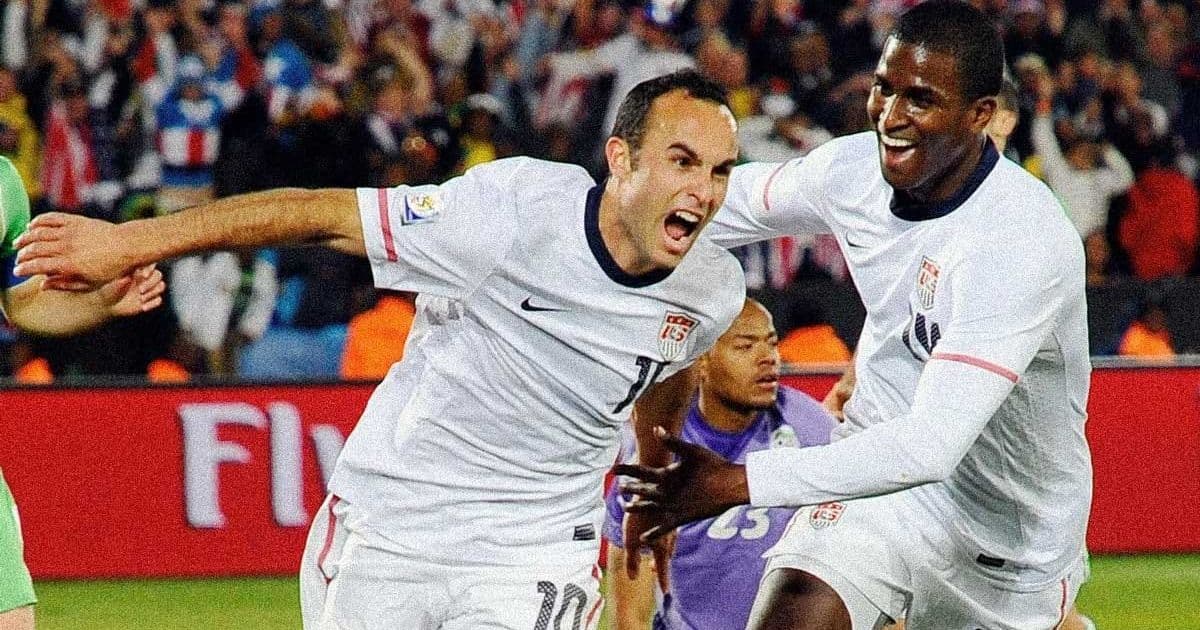
A deep dive into the historical, cultural, and structural reasons that have kept the U.S. soccer team from reaching the heights of its European and South American counterparts, even as the nation hosts the 2026 World Cup.
Why Isn't the U.S. Better at Soccer?
The 2026 World Cup is set to be the first time the United States will host the tournament on home soil. For many fans, the question is simple: Will the U.S. finally break through? The answer is not a straightforward yes or no. Instead, it is a mosaic of historical quirks, cultural priorities, and institutional choices that have shaped American soccer’s trajectory.
1. A Historical Patchwork
Early optimism and a long‑term decline
When the U.S. first joined FIFA in 1914, its national team was already considered a respectable competitor. The 1930 World Cup saw two clean‑sheet victories, and the team briefly reached the semifinals. But after that, a series of events—World War II, the collapse of the NASL, and a focus on other sports—stalled progress. The U.S. did not qualify for a World Cup again until 1990, a 40‑year drought that echoed the broader decline of the sport in the country.
The “foreign sport” stigma
Soccer has long been viewed in the U.S. as an immigrant pastime. While this niche appeal helped build grassroots participation in certain communities, it also limited the sport’s mainstream reach. In contrast, baseball, basketball, and American football captured the national imagination, drawing top athletic talent and massive media attention.
2. Economic and Cultural Priorities
American football’s dominance
The gridiron’s rise in the 1950s and 1960s coincided with the decline of domestic soccer leagues. Football’s physicality, tactical simplicity for casual fans, and the NFL’s aggressive marketing turned it into a commercial juggernaut. Soccer, by comparison, struggled to find a foothold in high‑school and college athletics, where football and basketball dominated.
Media and fan engagement
Search volume for “MLS” is only a fraction of that for the NFL or NHL, and television ratings for Major League Soccer games lag far behind those of the NFL’s biggest matchups. This media imbalance translates into sponsorship dollars, stadium investment, and a smaller talent pipeline.
3. The MLS Conundrum
Structure and financial constraints
MLS operates under a centralized ownership model with strict salary caps and a risk‑averse approach to player acquisition. While this has kept the league financially stable, it has also limited the ability to attract or retain world‑class talent. The league’s valuation—around €1.4 billion in total player market value—falls short of even mid‑tier European clubs.
Lack of a coherent national talent pipeline
The U.S. national team’s roster is a patchwork of players spread across MLS, Liga MX, and European clubs. No two players share a club, making it difficult to build the on‑field chemistry that comes from regular club play. Studies show that squads with a higher proportion of domestic‑league players tend to perform slightly better in international fixtures.
4. Immigration, Demographics, and Talent Flow
The U.S. has more than 50 million foreign‑born residents, yet the soccer talent pool is unevenly distributed. While immigrant communities have produced notable players, the overall talent pipeline remains shallow compared to countries where soccer is the national pastime.
5. Ratings, Rankings, and Home‑Field Advantage
The PELE vs. FIFA discrepancy
PELE, an Elo‑based rating system, places the U.S. at 29th, while FIFA’s ranking puts the team at 17th. The difference stems largely from FIFA’s heavy weighting of home‑field advantage: 134 of 179 U.S. matches have been played at home, inflating the team’s perceived strength.
Home advantage in 2026
All group‑stage games and most knockout matches will be played in U.S. venues. This creates a favorable environment, but it also means the team’s true international competitiveness will be tested only against a subset of opponents.
6. Counter‑Perspectives
The optimism of a new era
Some analysts argue that the U.S. is on the cusp of a breakthrough. The growing popularity of soccer in the U.S., the emergence of young talents like Christian Pulisic, and increased investment in youth academies suggest a trajectory toward higher performance.
The cautionary view
Others point to the structural limitations—MLS’s financial model, the fragmented talent pipeline, and the cultural dominance of other sports—as obstacles that will keep the U.S. from matching the consistency of European powerhouses.
7. Looking Ahead
The 2026 World Cup offers a unique opportunity: a home‑grown tournament where the U.S. can leverage familiar venues and fan support. Whether that translates into a deep run will depend on how well the national team can harness its existing strengths while addressing the systemic gaps that have long held it back.
“Soccer has long been considered the sport of the future in the United States, but that future has never really arrived.” – Nate Silver
Key Takeaways
- Historical setbacks and a “foreign sport” perception have limited soccer’s mainstream growth.
- American football’s dominance siphoned talent and media attention.
- MLS’s centralized structure and financial constraints hinder world‑class talent acquisition.
- The U.S. national team’s roster fragmentation reduces on‑field cohesion.
- Home‑field advantage inflates rankings but also provides a unique advantage in 2026.
The question remains: will the U.S. capitalize on its home‑field advantage and the growing soccer culture to finally break through, or will the structural challenges keep it from reaching its full potential?
Comments
Please log in or register to join the discussion