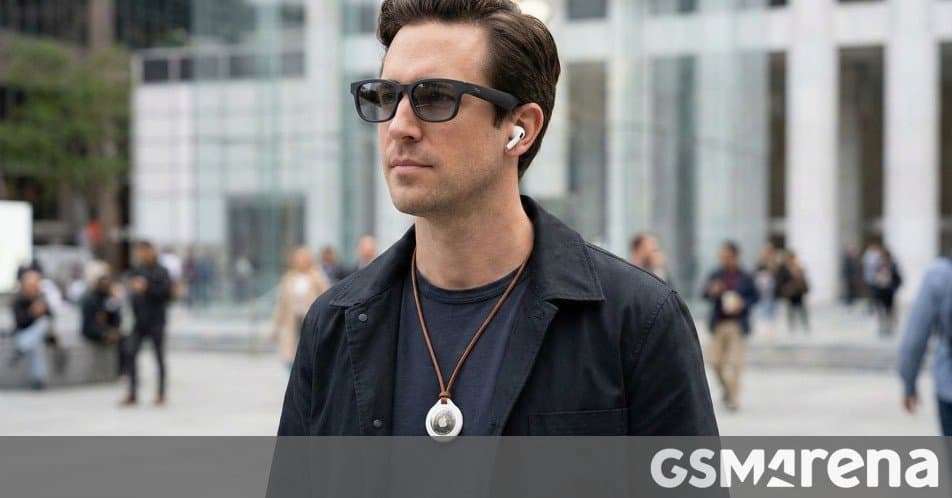
Bloomberg reveals Apple's development of three iPhone-dependent wearables leveraging visual AI and Siri, raising questions about practicality in a crowded ecosystem.
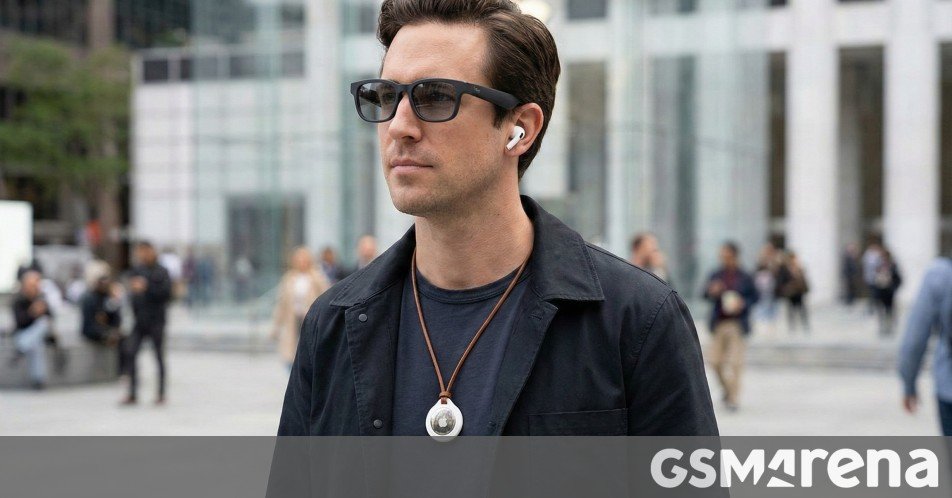
New reporting from Bloomberg's Mark Gurman details Apple's exploration of three distinct wearable categories: screenless smart glasses, an AI-focused pendant, and camera-equipped AirPods. All devices operate as iPhone accessories rather than standalone products, sharing core functionality centered around Siri integration and environmental awareness through onboard cameras.
Core Technical Specifications and Capabilities
Smart Glasses represent Apple's most advanced offering in this trio. Unlike Meta's Ray-Ban collaboration, Apple's glasses feature an in-house designed frame with multiple size and color options. They incorporate dual cameras: one high-resolution sensor for imagery capture and a dedicated computer vision camera using technology derived from the Vision Pro headset. This system enables environmental mapping, object distance measurement, and contextual awareness. Audio is handled through integrated speakers and microphones, with no display included. Primary functions include:
- Real-time object identification via visual queries
- Automated calendar event creation from physical posters
- Contextual reminders triggered by location (e.g., grocery aisle prompts)
- Landmark-based navigation instructions
The AI Pendant serves as a minimalist wearable, designed for shirt or necklace attachment. Its low-resolution camera and microphone feed data to Siri, positioning it as the "eyes and ears" of your iPhone. Processing power reportedly falls between AirPods and Apple Watch levels, limiting standalone functionality. Crucially, Apple positions this as an iPhone accessory, contrasting with Humane's failed AI Pin that attempted phone replacement. The camera isn't for photos or videos but strictly for environmental context to assist Siri interactions.
Camera-Equipped AirPods expand Apple's audio lineup with integrated imaging sensors. Like the pendant, these cameras focus solely on providing visual context to Siri rather than media capture. Details remain sparse, but Bloomberg notes expanded AI capabilities leveraging this new sensor input.
Ecosystem Integration and Practical Considerations
All three devices require iPhone pairing and leverage Apple's evolving on-device AI infrastructure. The glasses' computer vision system shares fundamental technology with Vision Pro's environmental understanding, suggesting unified development across Apple's hardware ecosystem. Battery life remains unconfirmed but represents a critical challenge for the glasses' proposed all-day functionality.
Practical adoption hurdles emerge when comparing these to existing Apple devices:
- The pendant's limited processing and iPhone dependence raise questions about advantages over existing Siri access via AirPods or Apple Watch
- Smart glasses' functionality largely replicates iPhone capabilities with hands-free convenience as the primary differentiator
- Camera-enabled AirPods must justify their sensor addition beyond current voice-controlled features

Industry observers note these projects reflect Apple's urgent search for a post-Vision Pro breakthrough. With processing constraints on the pendant and glasses requiring iPhone tethering, success hinges on flawless execution and compelling use cases beyond smartphone duplication. Gurman indicates potential 2027 launches, though internal reviews could alter timelines.
Apple's emphasis on visual context suggests significant Siri upgrades are underway, potentially addressing long-standing intelligence gaps. However, as demonstrated by Humane's struggles, wearable AI faces skepticism until concrete utility is proven. The coming months should reveal whether Apple can translate these prototypes into indispensable extensions of the iOS ecosystem.
Comments
Please log in or register to join the discussion