A personal account of shipping a used MacBook from Australia to a Congolese refugee in western Uganda, highlighting the logistical, regulatory, and human obstacles that turned a simple parcel into a 42‑day, multi‑country odyssey.
From Melbourne to a Ugandan Refugee Camp: The Long, Twisted Journey of a Donated Laptop
Published on May 23, 2026
By Lex (NotesByLex.com)
Why the laptop mattered
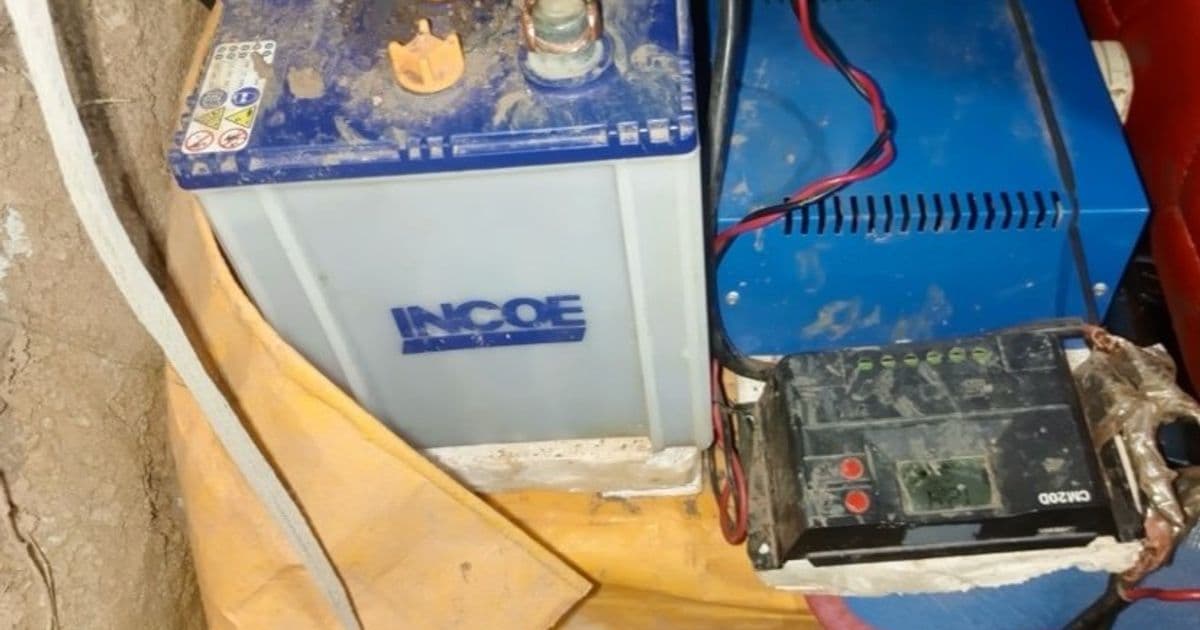
Django, a Congolese refugee living in a camp in western Uganda, relies on a solar‑powered laptop and a handful of Airtel minutes to pursue a remote Computer Science degree from the University of London. When his motherboard burned after a mistaken connection to a 12 V battery, his studies were threatened. The only viable solution was to replace the device, and I had a few functional MacBooks gathering dust at home.
What seemed like a straightforward parcel turned into a case study of how fragile international shipping can be for devices that contain lithium batteries, lack purchase receipts, and must clear customs in a country with strict import rules.
First attempt – Australia Post’s hidden restriction
I followed the usual advice from ChatGPT and headed to the local post office. The staff member confirmed that a laptop could be mailed as long as the lithium battery remained inside. The package was wrapped in bubble‑wrap, taped securely, and shipped for AU$111.60. 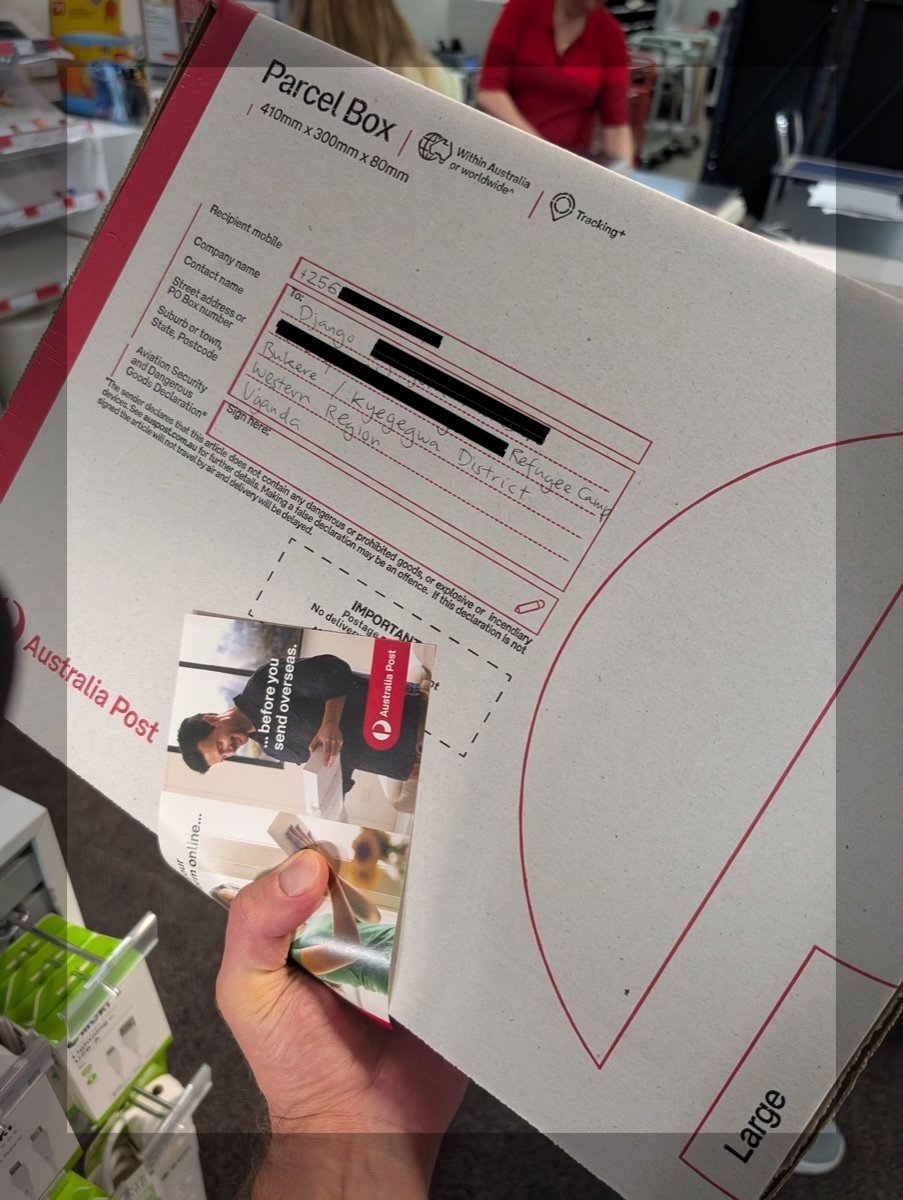
Six days later the tracking system showed the parcel had been returned to my address. The distribution centre had flagged the shipment because Australia Post does not transport lithium‑ion batteries internationally by air. The lesson was clear: the online guidance had omitted a crucial regulatory detail.
Turning to a specialist courier
A quick web search revealed a handful of freight forwarders that handle dangerous goods. I chose Pack & Send, a Melbourne‑based service that specializes in customs‑cleared electronics. Their quote was AU$213, nearly double the post office price, but they offered professional repackaging and an established channel for air transport of lithium‑ion devices.
The front‑desk clerk laughed at my DIY packaging and re‑wrapped the laptop in a certified “dangerous goods” box. The timing was unfortunate – the shipment left during the Strait of Hormuz crisis, which had already disrupted global freight routes. The courier warned of possible delays and mentioned that Django would likely face additional customs fees in Uganda.
Funding the Ugandan side of the journey
Ugandan customs often require a buffer for taxes and agency fees. I transferred AU$50–100 to Django via WorldRemit, which he could collect instantly through Airtel Money. This small amount later proved essential for the agency fee and the tax assessment.
The customs maze in Uganda
After transiting through nine countries, the parcel arrived in the Netherlands before being handed to EHS Africa Logistics. On April 15 Django received an email outlining the next steps:
- Agency fee: UGX 95,000 (~AU$35)
- Tax assessment: required registration on the Uganda Revenue Authority (URA) portal
The portal demanded a Tax Identification Number (TIN), which refugees do not possess by default. Django’s attempts to obtain a TIN exposed how bureaucratic processes can become nearly impossible for displaced persons:
- The online form was an outdated Excel macro that wouldn’t run on a phone.
- Local NGOs offered to fill the form for a fee of USD 20–40, but still required a physical visit to a URA office.
- The nearest URA office was in Mubende, a three‑hour bus ride from the camp.
- After a day of travel, the officer initially refused service, then asked Django to return with a camp‑leader’s authorization letter.
- A later network‑outage excuse delayed the process for hours, even though other applicants were being served.
- Eventually the officer processed the application in ten minutes, issuing a printed TIN.
The whole episode cost Django time, money, and emotional energy, underscoring how a seemingly minor paperwork requirement can become a major barrier for refugees.
Paying the taxes and the customs amendment
With the TIN in hand, Django completed the URA portal assessment. The total customs duty amounted to UGX 127,658 (~AU$47). After the laptop reached Uganda, customs flagged another issue: used laptops must be accompanied by an original purchase receipt. A generic invoice stating “used” was insufficient.
FedEx, acting as the local carrier, negotiated with customs. The agency requested a UGX 50,000 (~AU$18.5) amendment payment, which Django sent immediately. The shipment was finally released on May 8.
The final leg – a hardware shop in Mbale
Tracking showed the parcel was “out for delivery” in Kampala, then rerouted to Mbale, a town over four hours from Django’s camp. The delivery status flipped to Attempt Failure, and the only contact was a series of missed calls from unknown numbers.
Django decided to take matters into his own hands. After a chain of phone calls, he was directed to a hardware store that was apparently holding the box. Inside the dusty shop, among welding equipment, the owner pulled out a cardboard box containing the MacBook.
“Ah… a MacBook is a MacBook. Apple is still Apple,” he said, clearly surprised.
The laptop powered on without issue. The owner’s reaction turned a tense moment into a brief celebration.
Cost breakdown
| Item | Cost (AUD) |
|---|---|
| Australia Post (failed) | 111.60 |
| Pack & Send courier | 213.00 |
| Ugandan agency fee | ~35.00 |
| URA customs tax | ~47.00 |
| Amendment top‑up | ~18.50 |
| Total | ~426 |
At AU$426 (≈ UGX 1,163,832), the expense approached the market value of a used MacBook, raising the question of whether buying locally would have been cheaper. Django’s own words capture the answer: “An Apple is still an Apple.” The device enabled him to continue his degree without further interruption.
What this story reveals
- Regulatory opacity – Even well‑intentioned services like Australia Post can unintentionally violate international dangerous‑goods rules.
- Refugee‑specific hurdles – Obtaining a TIN, proving ownership of a used device, and navigating multiple agencies are tasks designed for citizens with stable addresses and documentation.
- Logistics fragility – Global events (e.g., the Strait of Hormuz crisis) can cascade into weeks of delay for a single parcel.
- Human ingenuity – From the courier’s repackaging to the hardware shop owner’s surprise, the journey depended on countless small acts of cooperation.
Takeaways for future donors
- Use a specialist courier that explicitly handles lithium‑ion batteries and provides a customs‑clearance guarantee.
- Prepare a proper invoice that includes the original purchase receipt or, if unavailable, a notarized statement of value.
- Research host‑country import rules before shipping; many nations require a TIN or other tax identifier.
- Budget for hidden fees – agency fees, tax buffers, and amendment payments can add up quickly.
- Maintain a local contact in the destination country who can verify receipt of the package; a trusted NGO or community leader can reduce the risk of “lost in a hardware store.”
Final note
Django’s email after receiving the laptop summed up the emotional payoff:
“This is my first Apple device in my life, and now I truly understand why people speak so highly about it.”
The story is a reminder that behind every parcel lies a network of regulations, people, and unexpected detours. When we choose to help, we must be ready for the complexity that follows.
Comments are welcome on Bluesky or Mastodon. Join the conversation.
Comments
Please log in or register to join the discussion