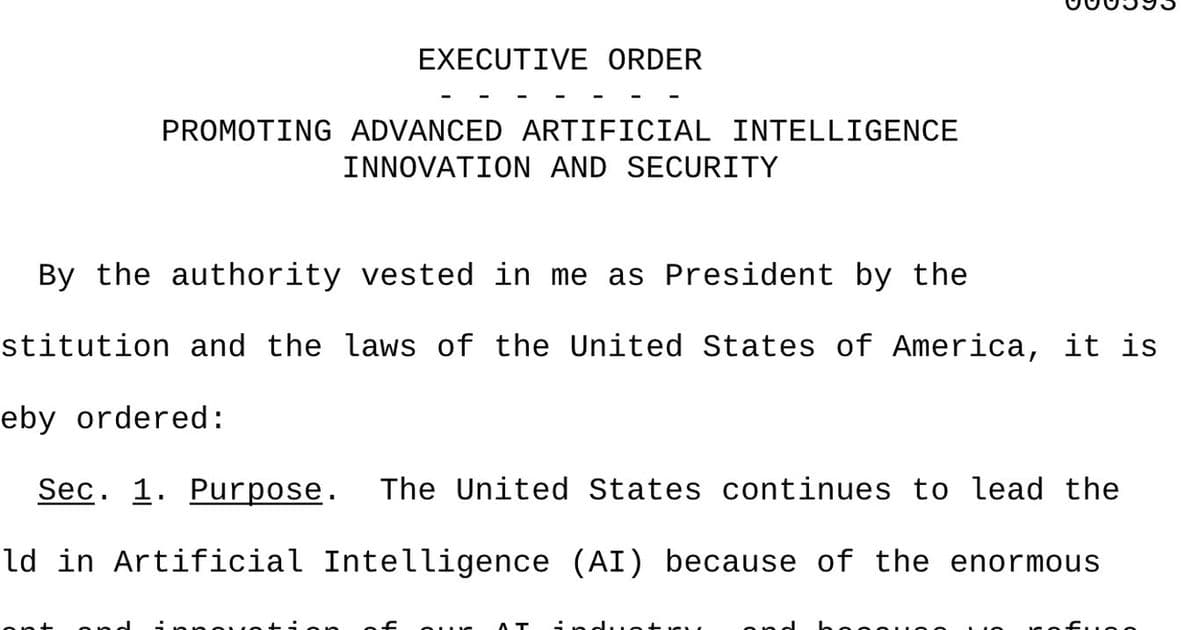
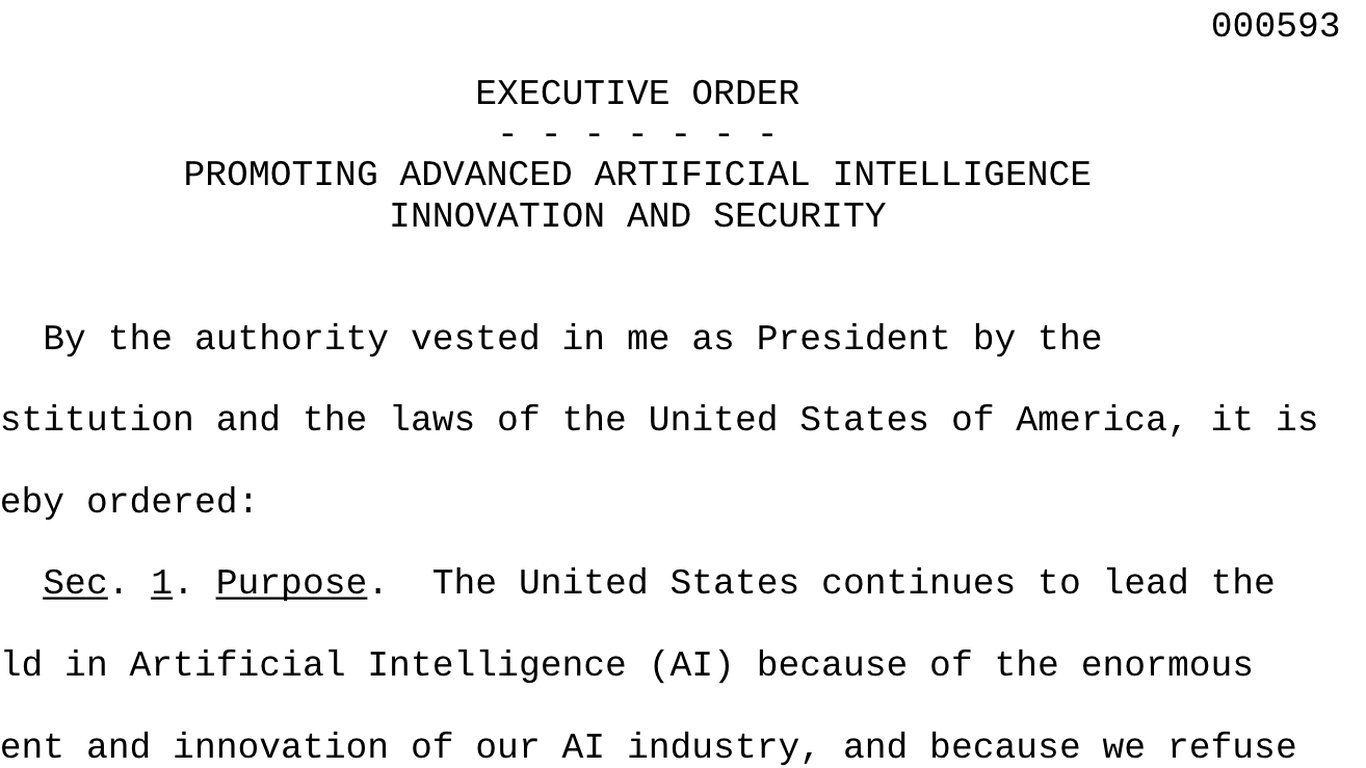
A coalition of tech CEOs and lobbyists with ties to former President Donald Trump successfully delayed the Biden administration’s AI executive order, citing concerns over regulation and market impact. The setback highlights a growing clash between industry power brokers and federal efforts to shape a responsible AI ecosystem.
Trump‑Backed Tech Lobby Blocks Biden AI Executive Order, Raising Questions About U.S. Competitiveness
Business news
The Biden administration announced an ambitious AI executive order on March 15, 2024, aimed at establishing a federal framework for artificial‑intelligence safety, data governance, and export controls. Within weeks, a coalition of technology executives—most notably the CEOs of OpenAI, Microsoft, Nvidia, and a handful of venture‑backed startups—filed a coordinated set of legal challenges and lobbying efforts that forced the White House to pause the order’s implementation.
The coalition, organized through the Tech Freedom Alliance (TFA), raised $45 million in lobbying expenditures between March and May, according to the Senate Lobbying Disclosure database. Their primary arguments centered on:
- Potential over‑reach of the proposed “AI safety board,” which would require private firms to submit model weights for federal review.
- Concerns that new export‑control provisions could hinder U.S. companies’ ability to sell high‑performance chips to allied nations, risking a market share loss to China.
- A claim that the order’s compliance timeline—12 months for most firms—was unrealistic for midsize enterprises.
In response, the Office of Management and Budget (OMB) issued a temporary stay on the order on May 28, 2024, pending a review by the Federal Trade Commission (FTC) and a series of public comment periods. The stay effectively stalls the order’s most consequential provisions, including the creation of a cross‑agency AI risk‑assessment task force.
Market context
The AI sector is currently valued at $1.9 trillion globally, with U.S. firms accounting for roughly 55 % of total revenue. However, China’s AI market is projected to surpass the United States by 2027, driven by aggressive state subsidies and fewer regulatory hurdles. Analysts at Morgan Stanley estimate that a 10‑percentage‑point slowdown in U.S. AI adoption could cost the economy $150 billion in lost GDP over the next five years.
The lobbying push aligns with a broader pattern of industry groups influencing tech policy. In 2023, the Information Technology Industry Council (ITI) spent $32 million to shape the National AI Initiative Act, securing language that limited the scope of federal oversight. The current episode shows that even after a change in administration, the same network of executives can mobilize resources to protect market interests.
Financially, the firms involved stand to gain from regulatory uncertainty. Nvidia’s stock price rose 7 % after the stay was announced, while Microsoft saw a 4 % uptick in its share price, reflecting investor confidence that the company can continue to sell its Azure AI services without new compliance costs.
What it means
- Regulatory delay could widen the U.S.–China AI gap – Without a coordinated federal strategy, U.S. firms may face fragmented state‑level rules that increase compliance costs and slow innovation. Competitors in China, operating under a more permissive regime, could accelerate model development and capture export markets.
- Industry influence remains a decisive factor – The $45 million lobbying spend demonstrates that tech CEOs can still shape policy outcomes, even when the administration’s agenda diverges from their short‑term profit motives.
- Potential for a legislative counter‑move – Congressional leaders from both parties have expressed frustration with the executive order’s stall. A bipartisan bill introducing a lighter‑touch “AI oversight framework” could emerge, aiming to balance safety concerns with industry growth.
- Investor focus will shift to compliance readiness – Companies that proactively develop internal AI governance structures may attract capital, as venture funds increasingly demand risk‑management protocols. Firms lagging behind could see higher cost of capital or face shareholder activism.
The episode underscores a pivotal moment for U.S. AI policy: the balance between fostering rapid innovation and imposing safeguards is now being contested not just in the halls of Congress, but in the boardrooms of the very companies that drive the technology forward. How the administration navigates this push‑pull will shape the competitive landscape for years to come.
For further reading on the executive order’s original provisions, see the Biden administration’s AI policy brief.
Comments
Please log in or register to join the discussion