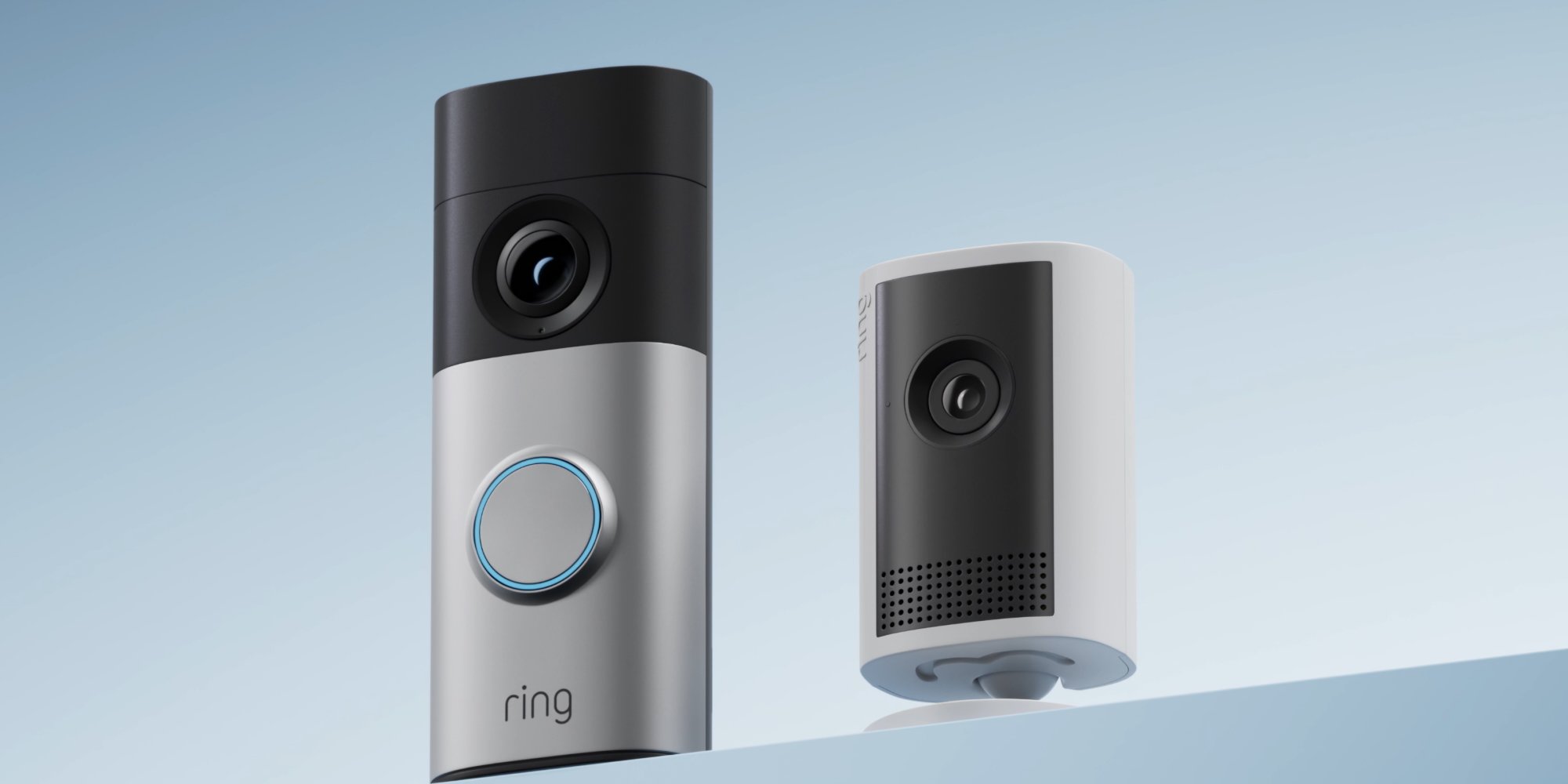
Apple's rumored Face ID video doorbell arrives at a perfect moment, as Ring faces backlash over privacy concerns from its Super Bowl ad showing how its network of cameras can track lost pets.
Apple is reportedly preparing to launch a video doorbell with Face ID technology that could capitalize on growing privacy concerns surrounding Amazon's Ring products. The timing appears particularly fortuitous following Ring's controversial Super Bowl commercial that sparked a public backlash over surveillance implications.
Ring's Privacy Backlash Creates Opening for Apple
The controversy began during the Super Bowl when Amazon aired a commercial promoting Ring's new 'Search Party' feature. The ad demonstrated how Ring's network of connected doorbells could help locate lost dogs by accessing footage from multiple cameras across neighborhoods. While the concept of helping find lost pets initially seemed heartwarming, many viewers quickly recognized the dystopian implications of such widespread surveillance capabilities.
The commercial prompted an unusual emotional journey for viewers, with the initial warm feelings quickly turning to discomfort as people considered the broader privacy implications. The backlash has been significant enough that Ring has reportedly implemented policy changes in response to the public reaction.
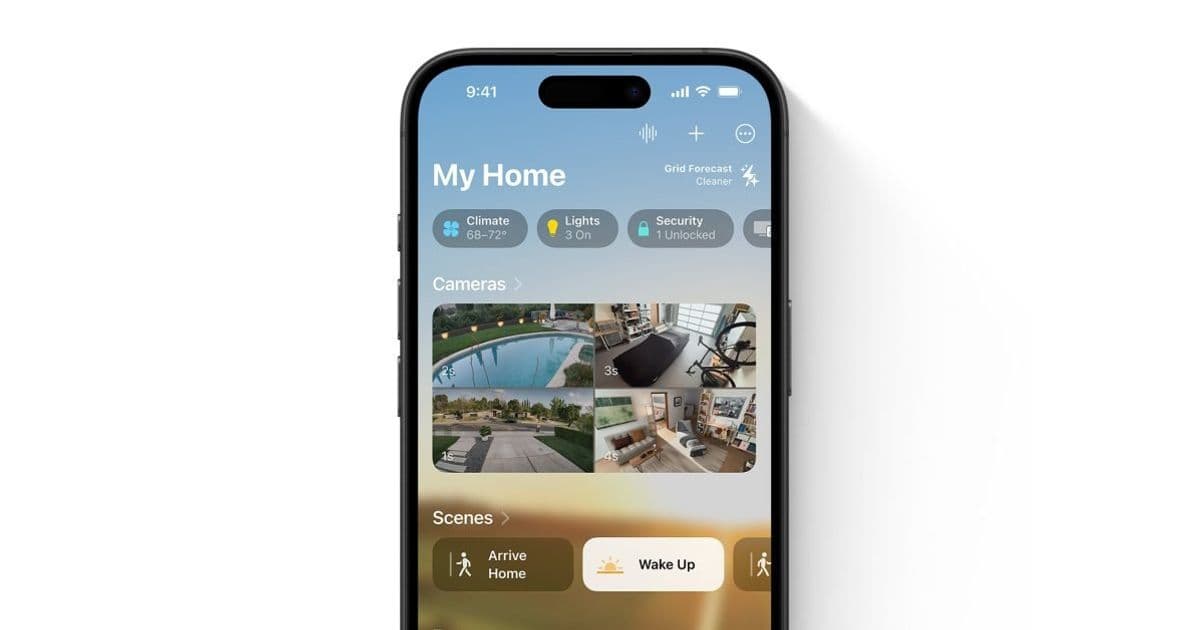
This controversy has inadvertently created a perfect market opportunity for Apple's rumored video doorbell product. Industry reports suggest Apple is developing a smart doorbell with advanced facial recognition capabilities that wirelessly connects to deadbolt locks, allowing for automatic door unlocking similar to how Face ID works on iPhones.
Apple's Privacy Advantage in the Smart Home Market
According to reports from Bloomberg dating back to late 2024, Apple believes it has a significant competitive advantage in the home camera accessory market due to its long-standing commitment to privacy. The company's philosophy centers on the belief that consumers will trust Apple more than competitors when it comes to handling in-home security footage.
This privacy-first approach could be particularly appealing to consumers who have become increasingly aware of the surveillance capabilities of smart home devices. Apple's strategy reportedly includes offering video storage through iCloud subscriptions, creating a potential revenue stream while maintaining control over user data.
Privacy as a feature tends to fluctuate in importance among consumers. At times, it may seem like a secondary consideration compared to convenience or cost savings. However, high-profile incidents like the Ring commercial backlash can quickly shift public perception, making privacy a more prominent factor in purchasing decisions.
Technical Capabilities and Market Timing
The rumored Apple Home video doorbell would incorporate Face ID technology, allowing it to recognize residents and automatically unlock compatible smart locks. This integration represents a significant advancement in smart home convenience while maintaining Apple's privacy standards.
The product would join Apple's expanding lineup of Home accessories, which already includes various smart home devices compatible with HomeKit. Apple's ecosystem approach means the video doorbell would likely integrate seamlessly with existing Apple devices and services.
Competitive Landscape and Consumer Trust
Apple's entry into the video doorbell market comes at a time when consumer trust in smart home surveillance is being questioned. While companies like Ring have pioneered the category, they've also faced criticism over data sharing practices and law enforcement partnerships.
Apple's reputation for protecting user privacy could prove to be a significant differentiator. The company's strict policies around data collection and its emphasis on on-device processing for sensitive information like facial recognition could appeal to privacy-conscious consumers.
Market Implications and Launch Timing
The timing of Apple's potential launch could be crucial. If the company moves quickly to introduce its video doorbell while privacy concerns around Ring are still prominent in public discourse, it could capture significant market share from consumers looking for alternatives.
The product would likely be positioned as part of Apple's broader Home strategy, which includes various smart home accessories and the HomeKit platform. Integration with existing Apple services like iCloud for video storage could provide additional value propositions for current Apple users.
Consumer Interest and Market Reception
Early indications suggest there is significant consumer interest in a privacy-focused alternative to existing video doorbell options. The combination of Face ID technology, smart lock integration, and Apple's privacy reputation could make the product particularly appealing to Apple ecosystem users.
The success of the product will likely depend on several factors, including pricing, feature set, and how effectively Apple communicates its privacy advantages over competitors. The company's ability to execute on its privacy promises while delivering reliable performance will be critical.
Looking Ahead
As Apple continues to expand its presence in the smart home market, the video doorbell represents an important product category. The company's approach to balancing convenience features like facial recognition with privacy protections could set new standards for the industry.
The Ring controversy has highlighted the delicate balance between useful smart home features and privacy concerns. Apple's entry into this market with a privacy-first approach could influence how other companies approach similar products in the future.
Whether Apple can successfully translate its privacy reputation into market share in the competitive video doorbell category remains to be seen. However, the current climate of privacy awareness and the recent Ring backlash have created conditions that could favor Apple's approach.
For consumers considering smart home security options, the choice between convenience and privacy continues to be a central consideration. Apple's rumored video doorbell represents an attempt to offer both, leveraging the company's technological capabilities and privacy reputation to create a compelling alternative in a market that is increasingly under scrutiny.
As the smart home market continues to evolve, the tension between surveillance capabilities and privacy protections will likely remain a key theme. Apple's approach with its video doorbell could influence how the industry addresses these concerns moving forward, potentially setting new expectations for privacy in connected home devices.
Comments
Please log in or register to join the discussion