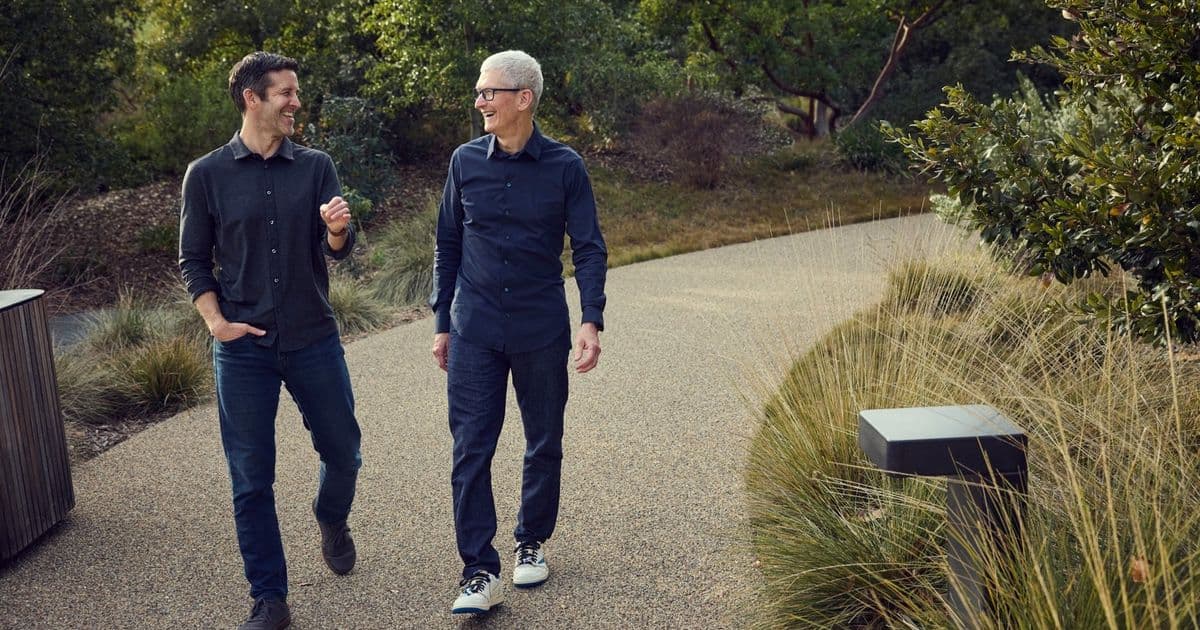
Apple’s eighth CEO, John Ternus, steps into Tim Cook’s shoes alongside a promotion for Johny Srouji. The moves reinforce Apple’s hardware‑first strategy but raise questions about AI, services growth, and strained developer relations.
Apple’s Quiet Leadership Shuffle: What It Means for Hardware, AI, and Developers
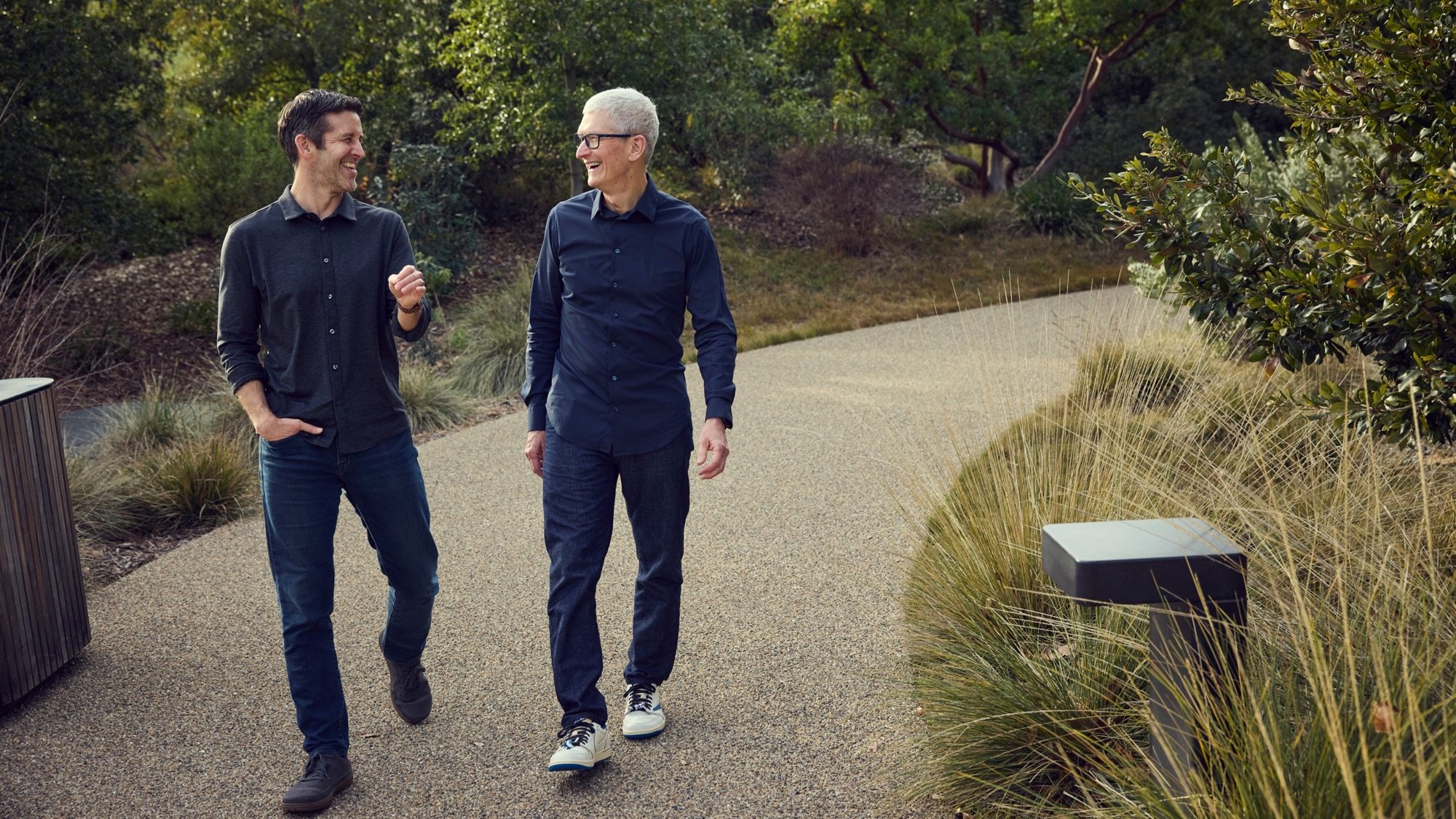
Apple announced that John Ternus will replace Tim Cook as chief executive on September 1, 2026, while Johny Srouji moves up to chief hardware officer. The changes are presented as a smooth, almost ceremonial hand‑over, but they also surface a set of strategic tensions that have been simmering beneath Apple’s glossy product launches.
The Signal: A Reinforced Hardware Engine
Ternus has been the company’s senior VP of hardware engineering for years, overseeing the iPhone, iPad, Mac, Watch, and AirPods pipelines. His promotion signals that the board is betting on deep hardware‑software‑silicon integration as the primary growth engine for the next decade. Srouji’s elevation cements that belief, effectively binding the silicon team (Apple Silicon) to the broader hardware organization.
- Apple Silicon as a platform – The M‑series chips have already turned Macs into performance leaders and are now the default compute substrate for iPhone and iPad. By putting Srouji in charge of all hardware, Apple can streamline the rollout of next‑gen AI accelerators, a move that could finally let the company claim a serious stake in on‑device AI.
- Supply‑chain resilience – Recent component shortages have shown that Apple’s control over its silicon roadmap is a competitive advantage. A unified hardware leadership may reduce the friction that previously existed between the silicon and product teams.
The Counter‑Signal: Software, Services, and Developer Friction
While the hardware narrative is clear, Apple’s software ecosystem remains a source of unease.
- Developer relations – Over the past year, iOS and macOS developers have voiced frustration about App Store policy changes, revenue‑share adjustments, and the opaque rollout of new APIs. The “fragile relationship” mentioned in the original post is not just rhetoric; it’s reflected in a 12 % dip in average developer earnings per app quarter‑over‑quarter, according to data from Appfigures.
- Services growth pressure – Services now generate roughly $100 billion in annual revenue, but that figure is plateauing. Without fresh, compelling experiences—perhaps powered by on‑device AI—Apple’s high‑margin services could become a growth bottleneck.
- AI lag – Competitors such as Google, Microsoft, and Meta have integrated large‑scale generative AI into their core products. Apple’s public AI roadmap is still vague, and the company has yet to release a consumer‑facing generative AI feature comparable to ChatGPT or Google Gemini.
The Bigger Question: What Is Apple For?
Apple’s market cap sits near $4 trillion, a testament to Cook’s operational mastery. Yet the device‑centric model that defined the company for decades is being challenged by three trends:
- AI‑first experiences – Users increasingly interact with services through conversational agents rather than dedicated apps.
- Cross‑platform continuity – The line between “Apple device” and “cloud service” is blurring, demanding tighter integration.
- Geopolitical shifts – China’s market, once a growth engine, now presents regulatory and supply‑chain hurdles.
Ternus’ engineering background equips him to double down on hardware, but the real test will be how effectively he can align that hardware advantage with a compelling AI‑enabled software layer.
Counter‑Perspectives
Optimistic View: Engineering Leadership Can Drive AI
Some analysts argue that a hardware‑first CEO is exactly what Apple needs to accelerate on‑device AI. By controlling the silicon stack, Apple can embed neural engines directly into future iPhones and Macs, offering privacy‑preserving AI that rivals cloud‑based services. The upcoming M3‑Pro chip, rumored to include a dedicated generative‑AI accelerator, could be a first step.
Skeptical View: Lack of Visionary Product Leadership
Critics point out that neither Cook nor Ternus are known for the kind of product‑centric vision that Steve Jobs brought to the table. Without a charismatic product evangelist, Apple risks incremental updates that fail to capture the public imagination—think of the mixed reception to the Vision Pro headset. The hardware upgrades alone may not be enough to sustain growth.
Developer‑Centric View: Policy Overhaul Needed
From the developer community’s standpoint, the leadership change is an opportunity to reset the relationship. If Ternus can leverage his engineering credibility to advocate for clearer API roadmaps and more favorable revenue terms, Apple could regain goodwill. Otherwise, the platform may see a migration of talent to more open ecosystems like Android or WebAssembly.
Looking Ahead
Apple’s next decade will likely be defined by how well it integrates its silicon advantage with AI‑powered services while mending its strained developer ties. Ternus and Srouji have the technical chops to make the hardware side bullet‑proof; the open question is whether they can shepherd a software strategy that feels as fresh and indispensable as the devices themselves.
If Apple can turn its hardware muscle into a platform for private, on‑device AI, the company could rewrite the narrative that it is “behind” in the AI race. If not, the hardware achievements may become impressive but isolated feats, while the broader ecosystem drifts toward more open, AI‑first competitors.
By Om Malik – San Francisco, April 20 2026
Comments
Please log in or register to join the discussion