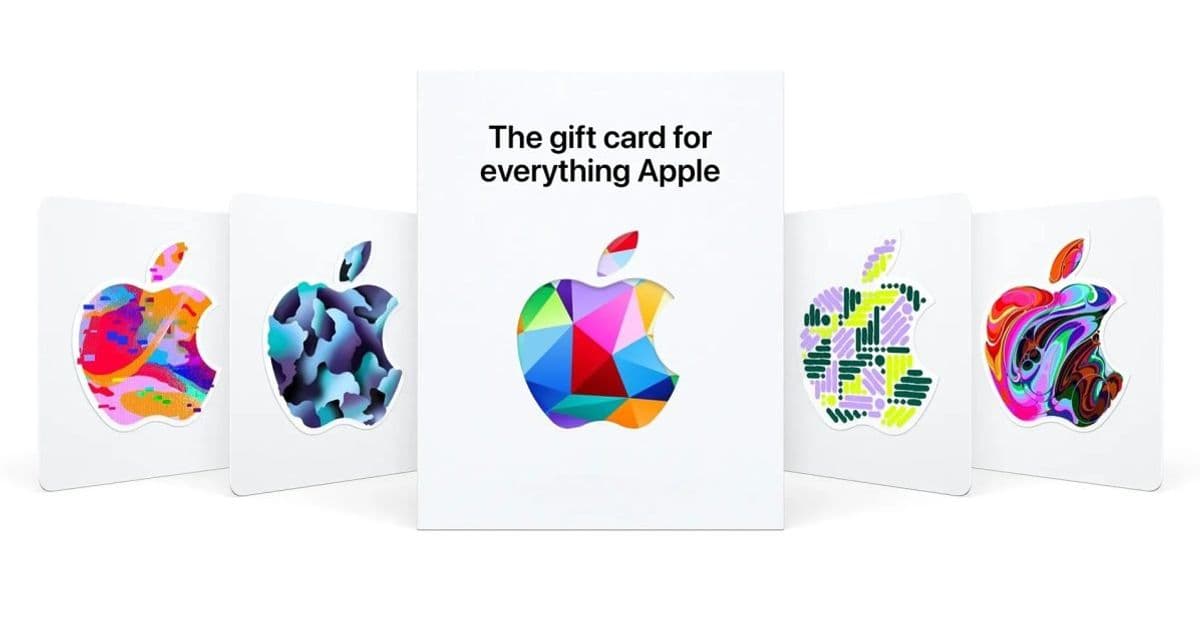
A sophisticated Apple gift card scam has cost consumers hundreds of millions of dollars, with one operation alone recovering 4,000 iPhones worth between $8M and $9M. The scam involved tampering with gift cards before they were returned to retail stores, allowing thieves to drain funds once activated.
A complex Apple gift card scam has resulted in hundreds of millions of dollars in losses for consumers, highlighting the vulnerabilities in retail gift card systems. The operation, which even involved a murder, demonstrates how organized crime networks exploit everyday retail products to fund larger criminal enterprises.
The New Hampshire-based scam began with thieves stealing Apple gift cards from retail stores. These cards were then carefully opened to record the PIN numbers and other vital information without appearing tampered with. After re-packaging, the cards were returned to store shelves, appearing as new, unused products.
When unsuspecting customers purchased these cards and activated them with funds, the criminal organization received instant notifications. They would immediately drain the funds from the cards and use them to purchase Apple products, including approximately 4,000 iPhones valued at $8-9 million. These devices were then sold to grey market importers in China, Dubai, and South America.
The full scale of this operation, reportedly run by Chinese nationals, reached hundreds of millions of dollars. The investigation, conducted jointly by New Hampshire Police and the Department of Homeland Security, recovered the 4,000 iPhones during a single raid. Apple reportedly assisted investigators, though the company has not made an official public statement about the matter.
Gift card scams represent a significant portion of consumer fraud. According to the Federal Trade Commission, gift cards are frequently used in various scams because they provide criminals with untraceable cash that can be quickly converted. The FTC specifically warns about the common version where scammers impersonate government agencies or businesses, demanding immediate payment via gift cards to avoid arrest or other consequences.
The technical execution of this Apple scam reveals several concerning aspects about retail security. The ability to open, record information, and re-seal gift cards without detection suggests significant vulnerabilities in packaging and inventory control systems. Retailers may need to implement more sophisticated tamper-evident packaging or alternative distribution methods for high-value digital products.
For consumers, this scam serves as a reminder to purchase gift cards directly from the company's official retail stores or authorized sellers rather than from third-party retailers. While this doesn't eliminate all risks, it significantly reduces the likelihood of purchasing tampered products.
The broader implications extend beyond Apple gift cards. Similar vulnerabilities likely exist for other retailers' gift card systems, suggesting a need for industry-wide security improvements. Digital gift cards, which can be delivered electronically and activated only at the point of purchase, may offer a more secure alternative to physical cards that can be intercepted and tampered with.
Apple's ecosystem, while generally secure, has faced various security challenges over the years. This scam highlights how physical products can be exploited in ways that digital security measures cannot prevent. The company has invested heavily in digital security features like Face ID, Touch ID, and end-to-end encryption, but physical retail vulnerabilities remain a separate challenge.
The grey market for Apple products continues to thrive, with stolen or fraudulently obtained devices finding their way to international markets where official distribution channels may be limited or where consumers seek lower prices. This creates a complex web of criminal activity that spans multiple countries and jurisdictions.
As digital payment methods evolve, gift cards may become less common as vectors for fraud. However, their popularity for gifting and budgeting ensures they will remain part of the retail landscape. Retailers and payment companies must continue to develop more secure alternatives while maintaining the convenience that makes gift cards appealing to consumers.
The moral of this story is clear: consumers should exercise caution when purchasing gift cards, especially from third-party retailers. Buying directly from the official store or website eliminates many of the risks associated with tampered products. Additionally, consumers should be wary of any unexpected requests for payment via gift cards, as these are common tactics in various scams targeting individuals and businesses.
Comments
Please log in or register to join the discussion