Roberto Maggio explains why treating QR scans as a uniform metric, using scan count as the main success signal, and loading landing pages with excess content are flawed assumptions. He backs each point with data from QRCodeKIT’s billion‑plus scans and shows how segmentation, post‑scan engagement, and focused landing experiences unlock real value.
Three Things Marketers Misunderstand About QR Code Scan Behavior
{{IMAGE:2}}
When I first saw a premium olive‑oil producer in Southern Europe puzzling over a surge of scans from the United States, I thought it was a data glitch. Their bottles never left the EU, yet the QR codes on the labels were being opened from Boston and Chicago. The truth was simple: American tourists bought the bottles at duty‑free shops, took them home, and scanned weeks later to look up recipes. The scans revealed a market the producer didn’t know existed, and within a year they opened a U.S. distribution line.
That story illustrates the first myth that most marketers carry: a scan is a scan. It also leads to the other two myths that keep showing up in decks and roadmaps. After seventeen years building the dynamic QR platform QRCodeKIT, which has logged over 1.1 billion scans across more than 10 million codes, I can point to three concrete misunderstandings that data repeatedly disproves.
Misunderstanding #1 – All scans are the same
Analytics dashboards love a single “total scans” number. The metric looks clean, but it hides a diversity of users, contexts, and intents.
- A shopper in a supermarket aisle scans a wine label to decide whether to buy it.
- A home cook scans the same label later to find pairing ideas.
- A gift recipient in another country scans to learn what they are holding.
- A professional sommelier scans dozens of bottles a week for inventory.
These four personas have nothing in common beyond the barcode. Treating them as one average user forces you to design for a phantom that never exists. The aggregate data from QRCodeKIT shows that the top five scanning countries – the United States, India, Italy, Spain, and Mexico – have wildly different consumer habits, and the top four QR destinations – websites, file downloads, menus, and digital business cards – serve distinct jobs.
What to do: segment scans by geography, time of day, device type, new vs. repeat visitor, and even by referrer pattern. The “total scans” figure becomes a vanity metric; the segmented view tells you where to invest.
Misunderstanding #2 – Scan rate is the success metric
It’s tempting to treat the raw number of scans like a click‑through rate. A poster that generates 5 % scans looks successful, while a quieter placement that yields 1 % looks weak. The reality is that the scan itself is cheap; the value is created in the seconds after the user lands on the destination.
Consider two campaigns:
- 30 % scan rate – users leave the page within three seconds, 90 % abandon.
- 10 % scan rate – users stay for forty seconds, 70 % complete the intended action (sign‑up, coupon redemption, etc.).
The second campaign drives real outcomes despite a lower scan count.
Across QRCodeKIT’s customer base, companies update the content behind their codes about 10 000 times per week, constantly testing landing pages, offers, and redirects. Those that treat the destination as a managed asset – iterating based on post‑scan behavior – extract far more value than those that chase the highest scan numbers.
What to do: measure dwell time, conversion events, and downstream actions as primary KPIs. Use scan count as a cost‑of‑acquisition figure, not the goal.
Misunderstanding #3 – More content on the landing page equals a better experience
A QR scan usually happens in a moment of limited attention: the phone is in one hand, the user may be standing in a store aisle or on a sidewalk, and ambient noise is high. Adding a hero image, a long FAQ, legal copy, and a product comparison can turn a 30‑second micro‑experience into a scrolling marathon.
A vivid example came from a parent whose child scanned a QR code on a Happy Meal box expecting a short animation. The link had expired, the page returned an error, and the child cried. The failure wasn’t that the page lacked depth; it was that the expected content was missing entirely.
Conversely, a page overloaded with information can hide the single answer the user came for, even if it’s technically present somewhere down the page.
What to do: design the post‑scan landing page to answer one question – the most likely one the scanner had. If you need to serve multiple audiences, route them to separate, concise pages rather than building a single massive document.
The bigger picture
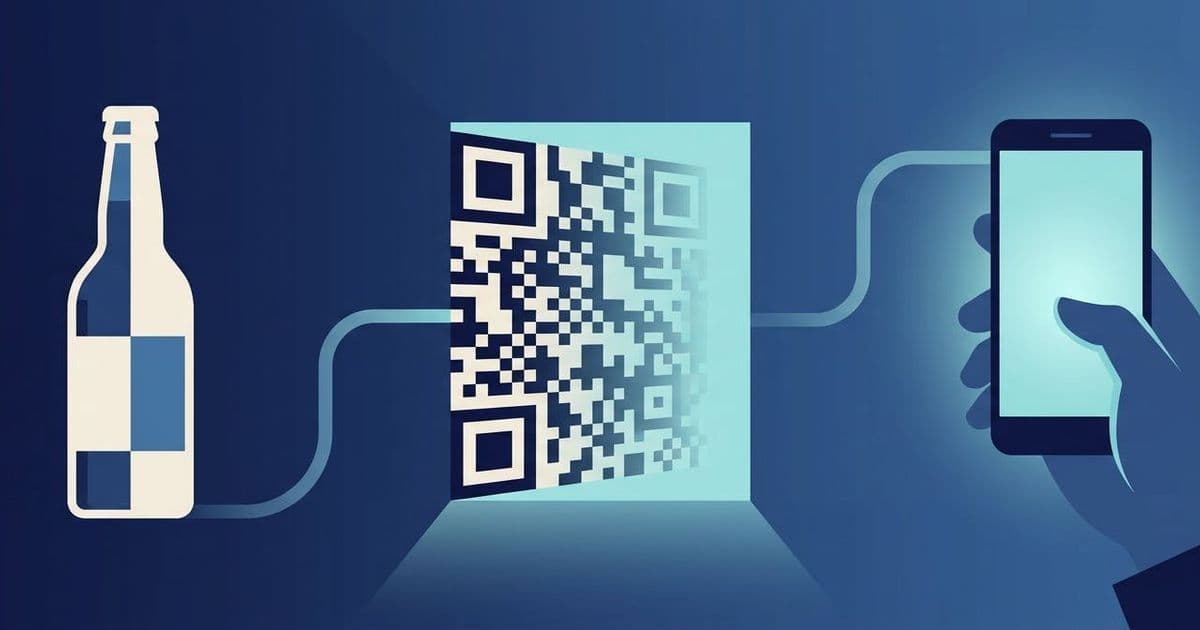
These three myths share a common root: they treat QR codes as a traditional marketing channel, applying click‑through logic and broad‑brush analytics. In practice, a QR code is a physical‑to‑digital interface – a doorway between an object and a person. The real work lies on the other side of that door.
Companies that are succeeding in 2026 are the ones that:
- Segment scans to understand distinct user groups.
- Optimize the post‑scan journey, measuring engagement and conversion rather than raw scans.
- Deliver ultra‑focused landing experiences that answer a single question instantly.
When you shift from “how many people scanned?” to “what did each scanner achieve?” you move from vanity metrics to actionable insight.
Roberto Maggio – Director of Growth at QRCodeKIT, hands‑on CMO and creative director. He has been building dynamic QR infrastructure since the platform’s inception.
Comments
Please log in or register to join the discussion