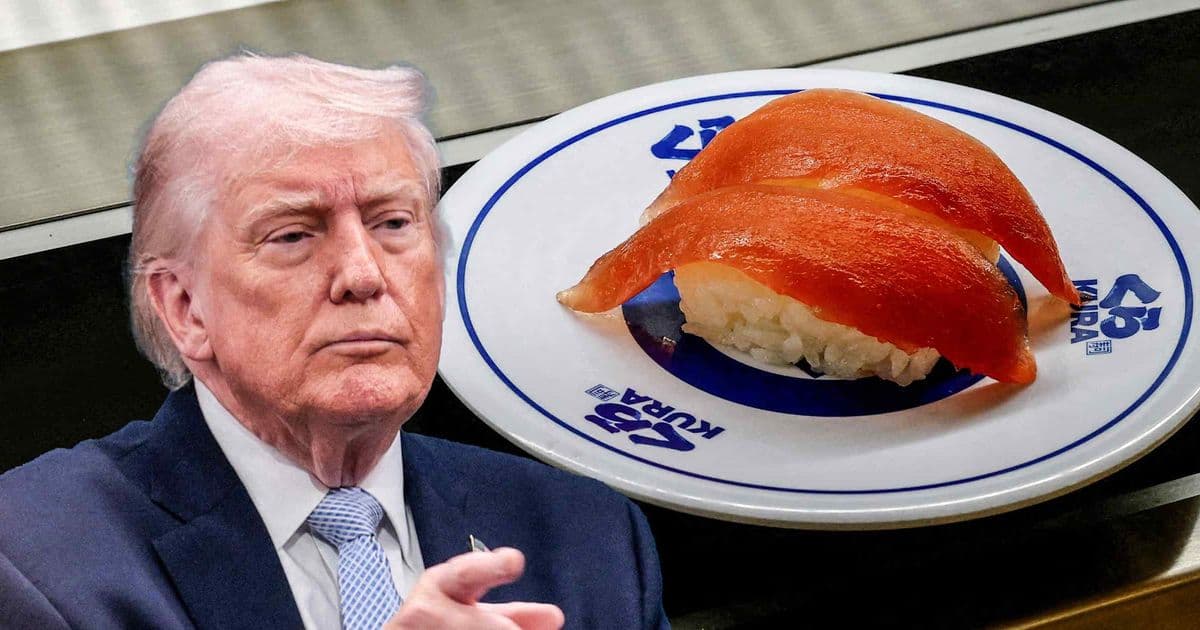
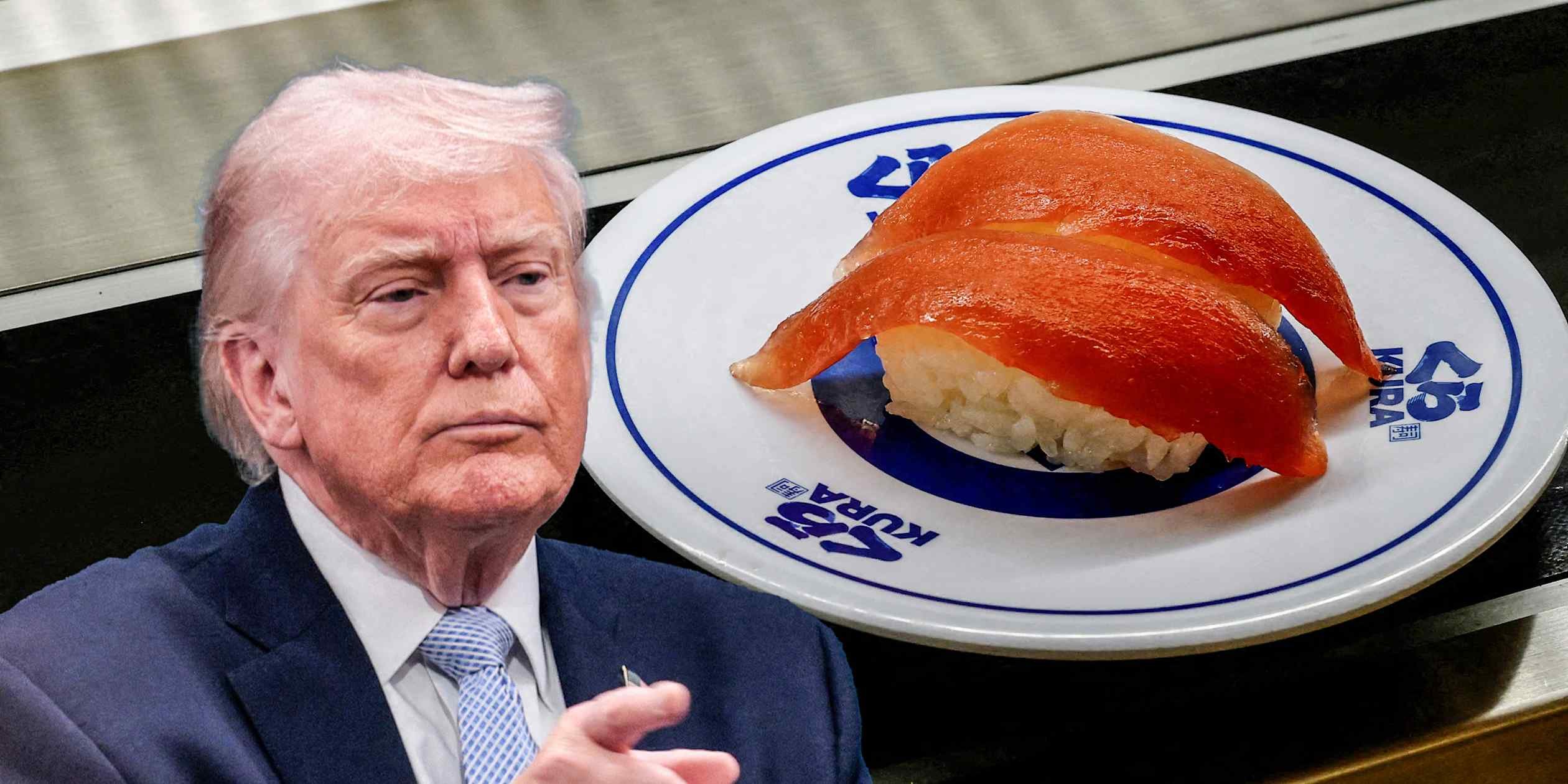
The U.S. Office of Government Ethics disclosed that former President Donald Trump bought between $1 million and $5 million of stock in Kura Sushi USA, the Nasdaq‑listed operator of Japanese conveyor‑belt sushi restaurants. The purchase spotlights the intersection of personal investing, ethics rules for former officials, and the broader performance of Japan‑linked consumer stocks in the U.S. market.
Trump’s $1‑$5 million Stake in Kura Sushi USA Raises Governance Questions
Business news
The U.S. Office of Government Ethics (OGE) released a periodic transaction report on May 14, 2026, showing that former President Donald Trump acquired a block of Kura Sushi USA (NASDAQ: KRUS) valued between $1 million and $5 million. The filing does not disclose the exact number of shares, but the price range implies a holding of roughly 30,000‑150,000 shares, based on the company’s closing price of $33.20 on the report’s filing date.
The purchase follows a flurry of activity by Trump in the first quarter of 2026, during which he executed 3,600 trades in equities, municipal bonds and other securities, according to the same OGE filing. The Kura Sushi transaction is the largest single equity position reported for the former president in that period.
Market context
Kura Sushi USA performance
Kura Sushi USA entered the Nasdaq in 2019 and has since expanded to over 120 locations across 30 U.S. states. The company’s fiscal‑year‑2025 results showed:
- Revenue: $384 million (up 12 % YoY)
- EBITDA: $48 million (margin 12.5 %)
- Same‑store sales growth: 9 % in Q4 2025
The stock has been a modest performer relative to its Japanese parent, Kura Sushi Co. Ltd. (TYO: 2745), which trades at a higher price‑to‑earnings multiple (23× vs. 17× for KRUS). Analysts attribute the discount to perceived execution risk in the U.S. market and the company’s relatively thin profit margins.
Japanese consumer brands in U.S. equities
Kura Sushi joins a growing cohort of Japan‑origin consumer brands listed in the United States, including Nintendo (NTDOY), Fast Retailing (FRCO) and Mitsubishi UFJ Financial Group (MUFG). Collectively, these stocks have added $42 billion of market cap to U.S. exchanges since 2020, driven by investors seeking exposure to Japan’s high‑quality consumer products and the yen‑weakening environment that makes overseas earnings more attractive.
Regulatory backdrop
Former elected officials are subject to the Ethics in Government Act, which requires the filing of all securities transactions exceeding $5,000 within 30 days. The OGE’s public disclosures are intended to prevent conflicts of interest and insider‑trading concerns. While Trump is no longer in office, the rules still apply to any former federal official who retains a position that could influence policy.
What it means
Potential conflict‑of‑interest scrutiny
Kura Sushi USA operates in a sector that benefits from U.S. trade policy toward Japan. Any future involvement by Trump in trade negotiations, especially those affecting Japanese food imports or restaurant franchising regulations, could raise perceived conflicts. The OGE filing does not indicate any direct lobbying activity, but the mere ownership of a sizable stake may attract attention from watchdog groups and the U.S. Securities and Exchange Commission (SEC).
Investor perception
The news has already moved KRUS stock modestly higher, with a 0.8 % intraday gain on the day of the filing. Some analysts view the purchase as a vote of confidence in the brand’s growth trajectory, while others caution that personal investing by a high‑profile political figure can add volatility to a relatively thinly traded stock (average daily volume ≈ 250,000 shares).
Strategic implications for Kura Sushi USA
If Trump’s involvement leads to increased media exposure, the chain could see a short‑term boost in foot traffic, especially in markets where the former president retains a strong following. However, any negative publicity or political backlash could equally harm brand perception. The company’s management has not issued a comment, but the board’s Corporate Governance Committee will likely review the disclosure to ensure compliance with NASDAQ Listing Rule 5550(b)(1), which addresses insider holdings.
Broader takeaways for former officials
The case underscores how personal investment decisions by ex‑officeholders are now scrutinized through a data‑driven lens. With the OGE’s electronic filing system making transaction data publicly searchable, any sizable purchase in a publicly traded company can quickly become a headline. This may encourage former officials to adopt more conservative portfolios, favoring diversified index funds over single‑stock positions.
Key resources
- Kura Sushi USA Investor Relations
- U.S. Office of Government Ethics – Periodic Transaction Report (PDF)
- NASDAQ listing rules for insider holdings
The article reflects publicly available data as of May 19, 2026 and does not constitute legal or investment advice.
Comments
Please log in or register to join the discussion