
Chinese GPU maker Moore Threads announced AICUBE, a consumer‑grade AI processor that aggregates inference for smart‑home gadgets, on‑device content generation, and personal assistants. The hardware is built around the company’s latest M‑Series GPU, but its performance, software stack, and privacy claims remain to be validated against existing platforms.
Moore Threads unveils AICUBE, a single‑device hub for home AI workloads
What’s claimed
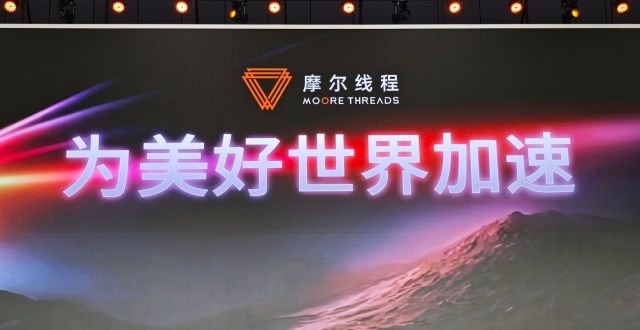
Moore Threads presented AICUBE at its May 18 product launch in Beijing, positioning it as the first consumer‑focused AI hub from the Chinese GPU designer. According to the company, the box houses a custom M‑Series GPU (the same silicon family used in its data‑center accelerators) and promises to act as a single entry point for:
- Smart‑home device control (voice, vision, and sensor fusion)
- On‑device generation of text, images, or short video clips
- Personal AI assistants that run locally rather than in the cloud
The press release frames the device as a secure alternative to the fragmented ecosystem of multiple smart speakers and edge‑AI chips, and it hints at a pricing tier that could undercut NVIDIA’s Shield and AMD’s upcoming AI boxes.
What’s actually new
| Aspect | Existing solutions | AICUBE’s announced differentiator |
|---|---|---|
| GPU core | NVIDIA Jetson series, Qualcomm Hexagon DSP, AMD Ryzen Embedded | Custom M‑Series GPU with up to 12 TFLOPs FP16, reportedly tuned for transformer inference |
| Software stack | TensorRT, ONNX Runtime, PyTorch Mobile | Proprietary AICUBE SDK built on top of the open‑source M‑AI Runtime (see the GitHub repo) |
| Form factor | Small development kits, single‑purpose hubs | 5‑liter desktop‑style enclosure with built‑in Wi‑Fi 6E, Thread, and Zigbee radios |
| Privacy claim | Cloud‑centric processing, optional local inference | All inference runs on‑device; data never leaves the unit unless the user enables cloud sync |
The hardware itself is not a radical form factor change, but the integration of a high‑end GPU into a consumer‑grade chassis is relatively rare. Most current home AI devices rely on ARM CPUs or low‑power NPUs; AICUBE’s GPU could enable more demanding models such as LLaMA‑2‑7B or Stable Diffusion‑lite without streaming data to a server.
Limitations and open questions
- Thermal envelope – The M‑Series GPU’s 12 TFLOP rating is derived from data‑center silicon that typically runs at 150 W. Moore Threads has not disclosed the power envelope for the consumer version. Without active cooling, sustained workloads may throttle quickly.
- Software maturity – The AICUBE SDK is announced but not yet publicly available. Developers will need clear documentation, model conversion tools, and support for popular frameworks. Until the SDK is released, it is unclear how easy it will be to port existing models.
- Ecosystem lock‑in – While the company markets the hub as a universal entry point, integration with existing smart‑home standards (Matter, HomeKit) will require certification. Early adopters may face compatibility gaps.
- Pricing and availability – No numbers have been shared. If the device ends up priced similarly to a mid‑range NVIDIA Jetson Xavier NX, the cost advantage over a DIY Raspberry Pi + NPU combo could be marginal.
- Privacy guarantees – Running inference locally reduces data exposure, but the device still ships with Wi‑Fi and cloud‑sync options. Independent security audits will be needed to confirm the “secure” claim.
Bottom line
AICUBE is the first consumer product that attempts to bring Moore Threads’ data‑center GPU pedigree into the living room. It could provide more headroom for on‑device generative AI than current smart speakers, but the practical impact will hinge on thermal design, SDK readiness, and how quickly the company can certify the hub for mainstream smart‑home ecosystems. Until those pieces fall into place, the device remains an interesting hardware experiment rather than a clear replacement for existing AI hubs.
For further details, see the official announcement on the Moore Threads website and the upcoming technical brief on the AICUBE SDK GitHub page.
Comments
Please log in or register to join the discussion