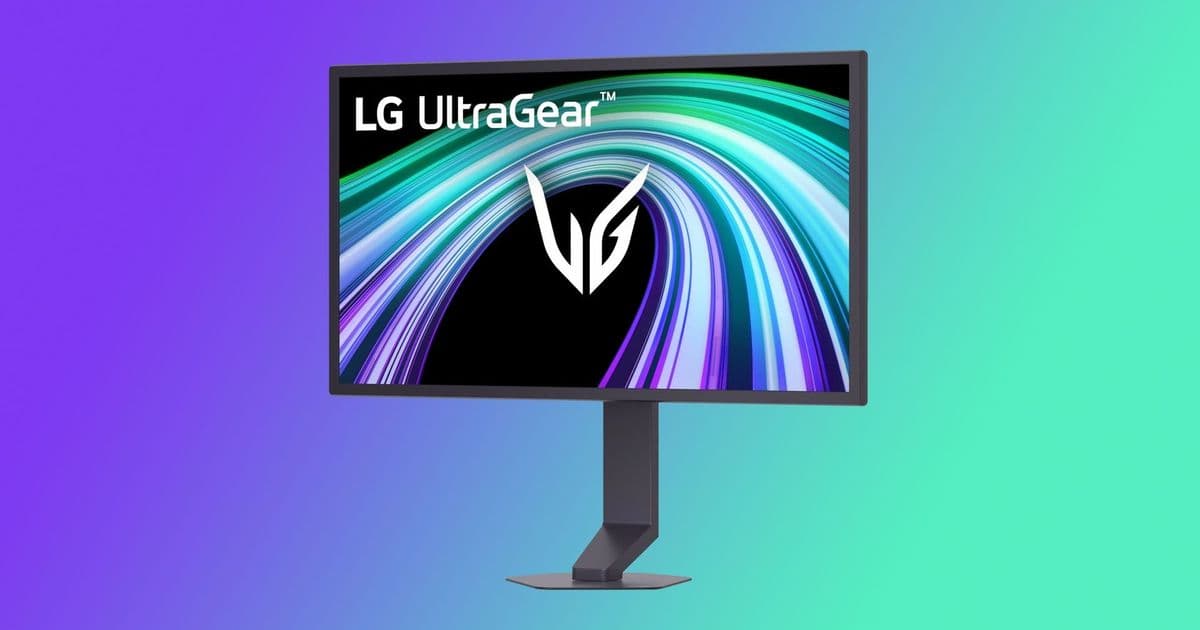
LG’s upcoming UltraGear 25G590B brings a 24.5‑inch IPS panel that can display a full 1080p image at a native 1000 Hz refresh rate, a first for the segment. The article breaks down the technical approach, compares it to existing high‑refresh solutions, and assesses the impact on the competitive‑gaming monitor market and the supply chain for high‑speed IPS panels.
Announcement
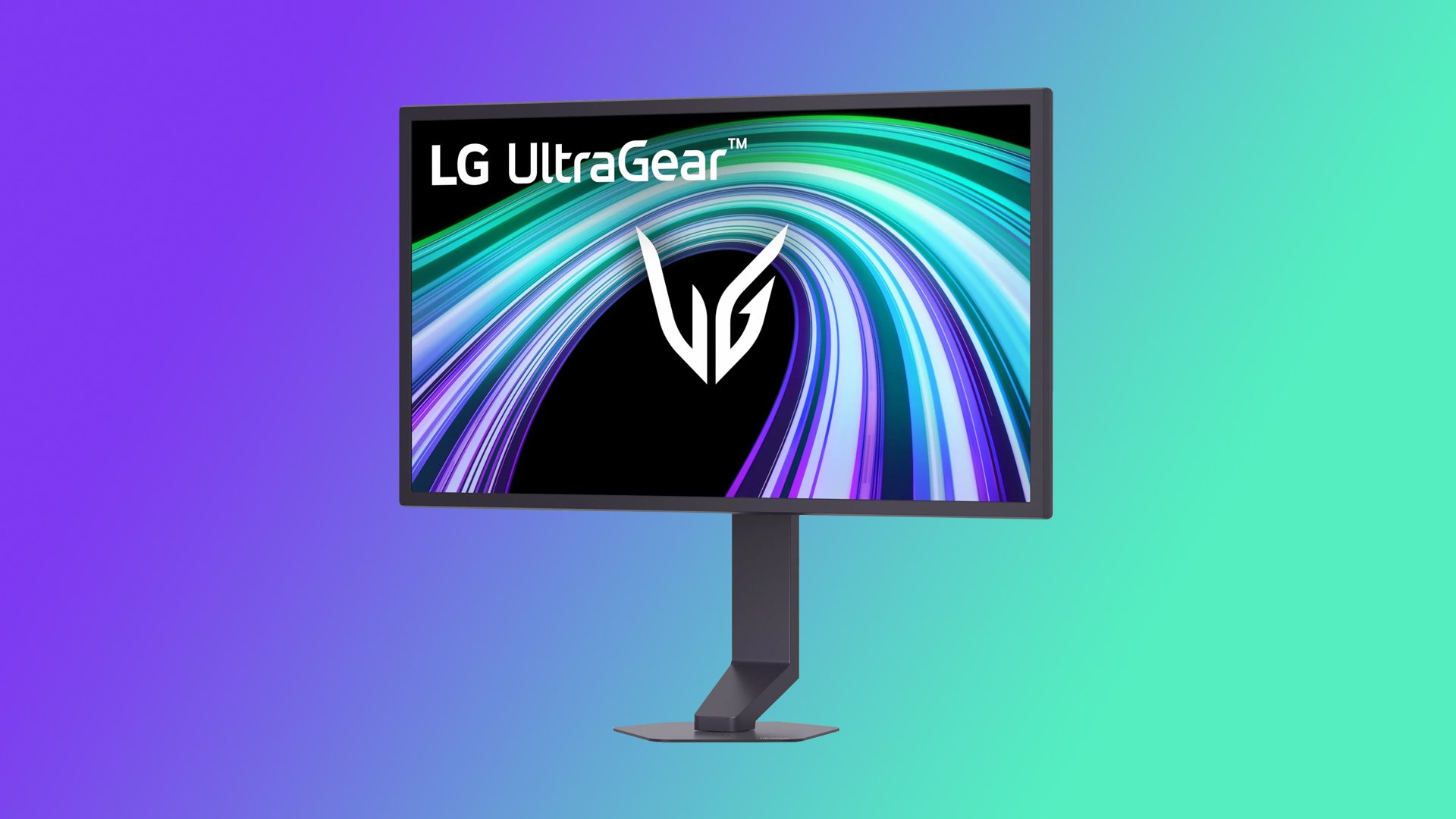
LG has confirmed that its next UltraGear model, the 25G590B, will ship in the second half of 2026. The key claim is a native 1000 Hz refresh rate at the standard 1920 × 1080 resolution – a milestone that, until now, has only been reachable through down‑scaled modes on dual‑frequency panels. The monitor is positioned squarely for FPS‑centric esports athletes who chase every millisecond of input latency.
Technical specifications
| Spec | Detail |
|---|---|
| Panel size | 24.5 inches (IPS) |
| Resolution | 1920 × 1080 (Full HD) |
| Native refresh | 1000 Hz |
| Peak brightness | 350 cd/m² |
| Contrast ratio | 1000:1 (typical) |
| Response time | 0.5 ms GTG |
| Color gamut | DCI‑P3 95 % |
| Connectivity | 2× HDMI 2.1, 1× DisplayPort 2.0, 2× USB‑C (DP Alt‑Mode) |
| AI features | Scene Optimization, AI Sound |
| Ergonomics | Height, swivel, tilt, RGB back‑light |
How native 1000 Hz works
To achieve a true 1000 Hz refresh, LG is using a high‑bandwidth IPS substrate manufactured on a 6‑generation (6G) low‑temperature poly‑silicon (LTPS) backplane. The panel’s driver ICs support a pixel‑clock of 3.6 GHz, which is roughly double the clock required for a 500 Hz panel at the same resolution. This is made possible by:
- Advanced line‑rate architecture that halves the number of clock cycles per frame.
- Reduced parasitic capacitance through a new dielectric stack, allowing faster charge‑discharge of each sub‑pixel.
- On‑panel PLL (phase‑locked loop) scaling, which eliminates the need for external over‑clocking hardware and keeps signal integrity intact.
The result is a full‑frame 1080p image refreshed every 1 ms, compared with the 2 ms interval of a 500 Hz panel. In practice, this translates to a 30 % reduction in perceived motion blur when the monitor’s Motion Blur Reduction Pro (MBR‑Pro) is enabled, because each frame is displayed for a shorter period before the next one arrives.
Comparison to existing high‑refresh solutions
| Model | Native refresh | Resolution (native) | Highest refresh in down‑scaled mode |
|---|---|---|---|
| LG UltraGear 25G590B | 1000 Hz | 1080p | – |
| Acer Predator XB273U F6 | 500 Hz | 1440p | 1000 Hz @ 1280 × 720 (DFR) |
| HKC AntGamer ANT275PQ MAX | 1080 Hz | 1440p | 1080 Hz @ 720p |
| Asus ROG Swift 360Hz PG259QN | 360 Hz | 1080p | – |
The LG model is the first to keep the 1080p pixel count while delivering 1000 Hz. Competing displays either halve the resolution or use a dual‑mode approach that toggles between a lower‑resolution high‑refresh mode and a higher‑resolution lower‑refresh mode. For esports titles that rely on clear, high‑contrast targets at native resolution—such as Valorant or CS:GO—the ability to stay at 1080p eliminates the scaling artifacts that can appear when the image is down‑sampled.
Supply‑chain considerations
Producing a 6G LTPS IPS panel at 1000 Hz pushes the limits of current fab capacity. Samsung Display and BOE have announced pilot lines for >5G LTPS backplanes, but volume production for a niche 1000 Hz market will likely be limited to quarter‑scale runs in 2026. This scarcity could affect lead times and pricing, especially as other OEMs (e.g., Dell, HP) explore similar refresh‑rate targets for their own esports monitors.
The monitor’s DisplayPort 2.0 requirement also adds a bottleneck: DP 2.0 cables capable of 80 Gbps are still not ubiquitous, and many existing gaming rigs rely on HDMI 2.1. LG’s inclusion of both interfaces mitigates the risk, but early adopters may need to upgrade their GPU’s output ports to fully exploit the 1000 Hz bandwidth.
Market implications
- Performance differentiation – For professional FPS players, the extra 500 Hz over the current 500 Hz ceiling could provide a measurable edge in reaction time. Studies from the Esports Integrity Commission suggest that a 1 ms reduction in frame latency can improve target acquisition by up to 0.3 % in high‑skill brackets.
- Pricing pressure – The niche nature of a 1000 Hz panel means the 25G590B will likely launch above the $600‑$800 range of current 360‑Hz monitors. However, the price ceiling may force competing brands to accelerate their own high‑refresh roadmaps, potentially compressing the price gap for 500‑Hz IPS models.
- Ecosystem ripple – GPU manufacturers (NVIDIA, AMD) will need to certify drivers that can push frames at 1000 Hz without throttling. Early driver updates for RTX 50‑series and RDNA 4 GPUs already list 1000 Hz support as a target, indicating a coordinated push across the stack.
- Supply‑chain strain – The demand for high‑speed LTPS backplanes could outpace fab capacity, leading to longer lead times for both monitors and high‑refresh smartphones that share similar panel technology.
Outlook
If LG can deliver the promised specifications at a competitive price, the UltraGear 25G590B could become the reference monitor for elite FPS competition. The move also signals that the industry is willing to invest in incremental latency reductions rather than waiting for a generational jump in display technology. Watch for the official pricing announcement in Q3 2026 and for early benchmark data from esports teams that will test the monitor in live tournament settings.
*For further technical details, see LG’s official product brief and the DisplayPort 2.0 specification.
Comments
Please log in or register to join the discussion