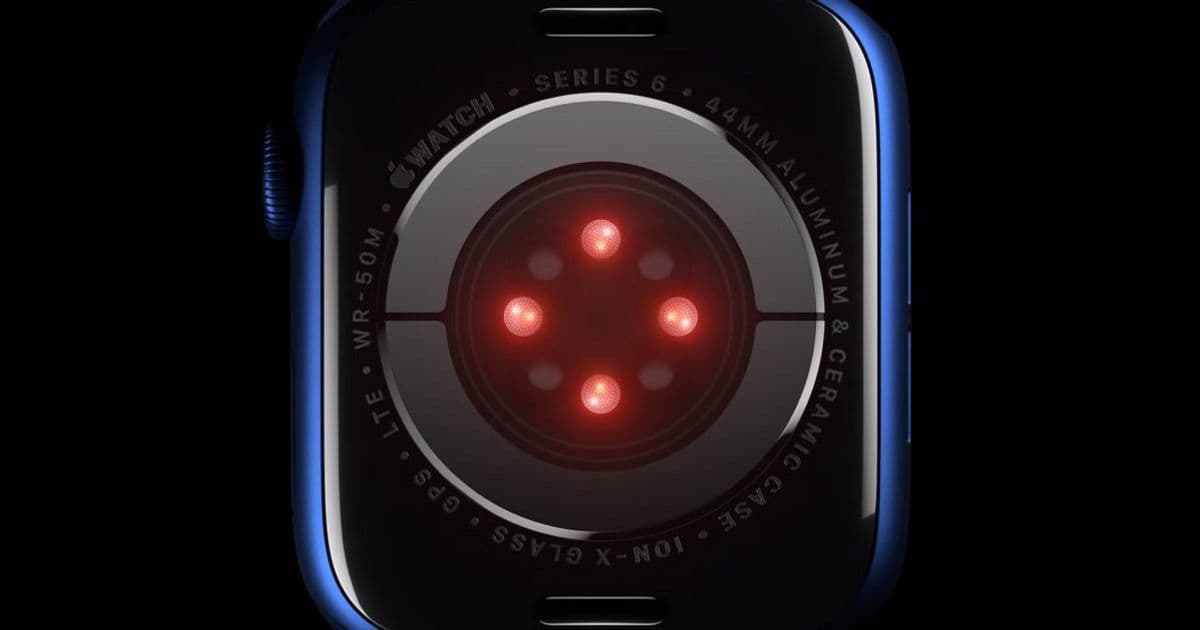
A Digitimes report says Apple has filed a new high‑blood‑pressure notification feature with the FDA. The feature appears distinct from the hypertension alerts introduced in watchOS 26 and could ship with the upcoming Apple Watch Ultra 4, hinting at tighter health‑regulation integration for developers.
Apple’s wearable health suite is about to get another layer of regulatory scrutiny. A recent report from Digitimes indicates that Apple has submitted a new high‑blood‑pressure notification feature to the U.S. Food and Drug Administration (FDA) for review. While watchOS 26 already introduced hypertension alerts, the upcoming feature is described as a separate implementation that may arrive with the next generation of hardware – the Apple Watch Ultra 4.
What the new feature could mean for the platform
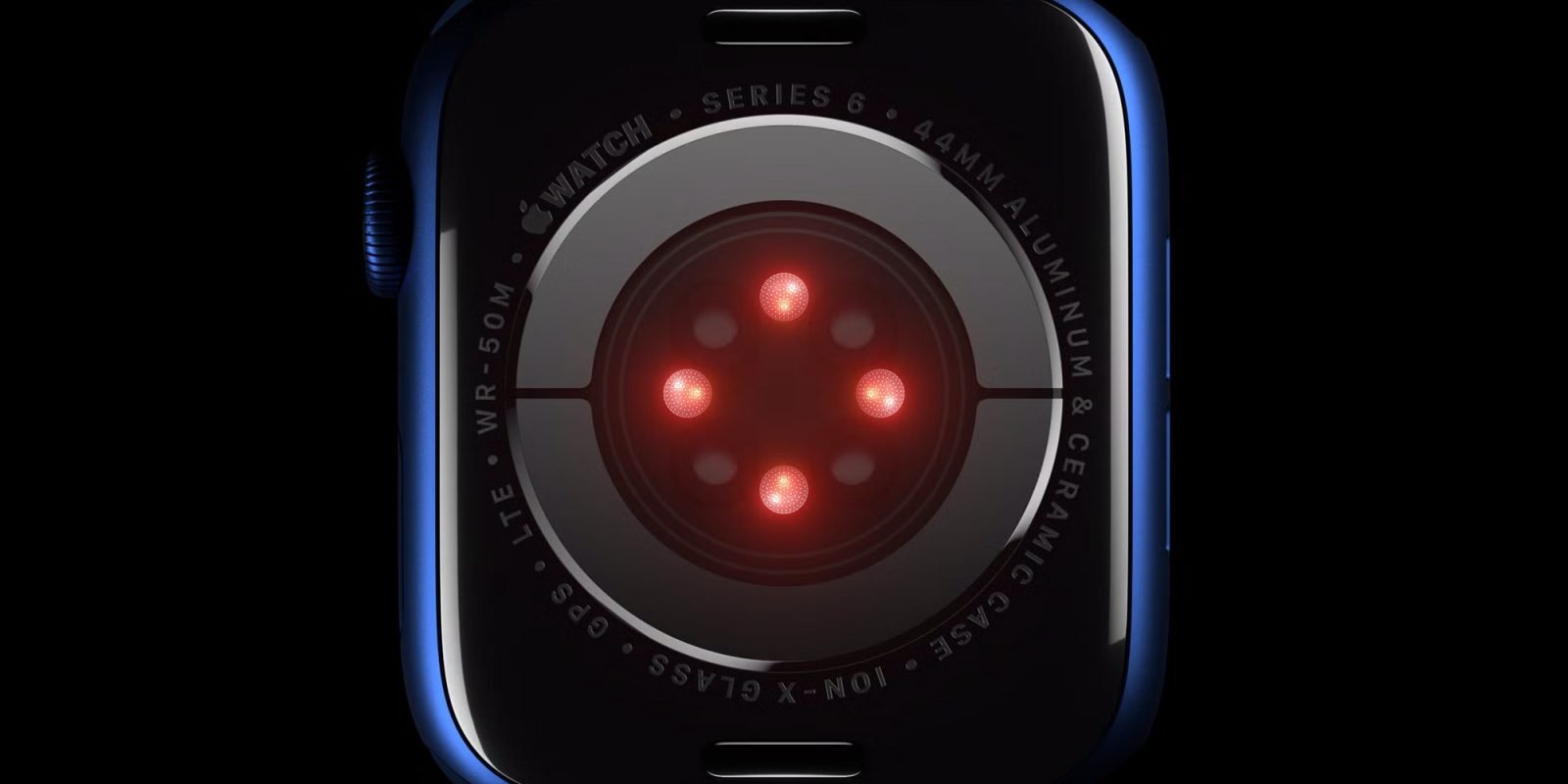
Apple’s existing hypertension alerts are part of the HealthKit framework and are delivered as a simple notification when the watch’s cuff‑based systolic or diastolic readings cross a preset threshold. The upcoming FDA‑reviewed feature is rumored to be more proactive, possibly integrating continuous cuff‑less measurements, trend analysis, and a tighter feedback loop with the Apple Health app.
For developers, the key implications are:
- New HealthKit API surface – Apple is likely to expose a dedicated
HKHighBloodPressureNotificationclass, with properties for severity, recommended actions, and optional clinician‑contact hooks. The API will probably require thehealthkit.highBloodPressureentitlement, similar to thehealthkit.bloodGlucoseentitlement that appeared in iOS 18. - Regulatory gating – Because the feature is under FDA review, apps that intend to use it must declare compliance in the App Store Connect metadata and be prepared for a possible “Medical Device” classification. This adds an extra step to the submission process, comparable to the recent Apple Vision Pro medical‑device review.
- Device‑specific availability – Early reports tie the feature to the Ultra 4 line. Developers should guard against assuming universal availability and use the
WKInterfaceDevice.isSupported(for:)check before enabling the UI.
Migration path for existing hypertension‑alert apps
If your app already leverages the watchOS 26 hypertension alerts, you’ll need to adapt once the new API lands:
- Update the deployment target – Move to watchOS 11 (the expected OS version for Ultra 4) to gain access to the new classes.
- Replace
HKHypertensionAlertcalls – The legacy API will likely be deprecated. Migrate to the newHKHighBloodPressureNotificationand handle the additional metadata it provides. - Add entitlement handling – Include the new entitlement in your Xcode project’s
Entitlements.plistand request the appropriate permission at runtime withrequestAuthorization(toShare:read:). - Test on Ultra 4 hardware – Because the feature may rely on a new sensor array, the simulator will not emulate the full experience. Apple is expected to ship a beta version of the Ultra 4 to developers via the Apple Developer Program.
Outlook for further health‑monitoring features
The Digitimes article also hints at Apple’s next focus: non‑invasive blood‑glucose monitoring. If the high‑blood‑pressure notification clears the FDA, it could set a precedent for faster approval of future sensors. Developers should keep an eye on the HealthKit release notes for iOS 18 and watchOS 11, where Apple is expected to announce beta APIs for glucose‑level detection.
Resources
- Official watchOS 26 release notes – Apple Developer Documentation
- HealthKit framework guide – HealthKit Documentation
- FDA guidance on mobile medical apps – FDA Mobile Medical Applications
- Digitimes report (original source) – Digitimes article
Developers who want to experiment now can start by adding the existing hypertension alert code to a test project and preparing the entitlement scaffolding. When Apple opens the beta for the new API, a quick update to the deployment target and a few code changes should bring the feature to market without a major rewrite.
If you’re tracking Apple’s health‑device roadmap, stay tuned for the next Apple Watch Ultra 4 preview event, where Apple is expected to unveil the hardware that will host these new capabilities.
Comments
Please log in or register to join the discussion