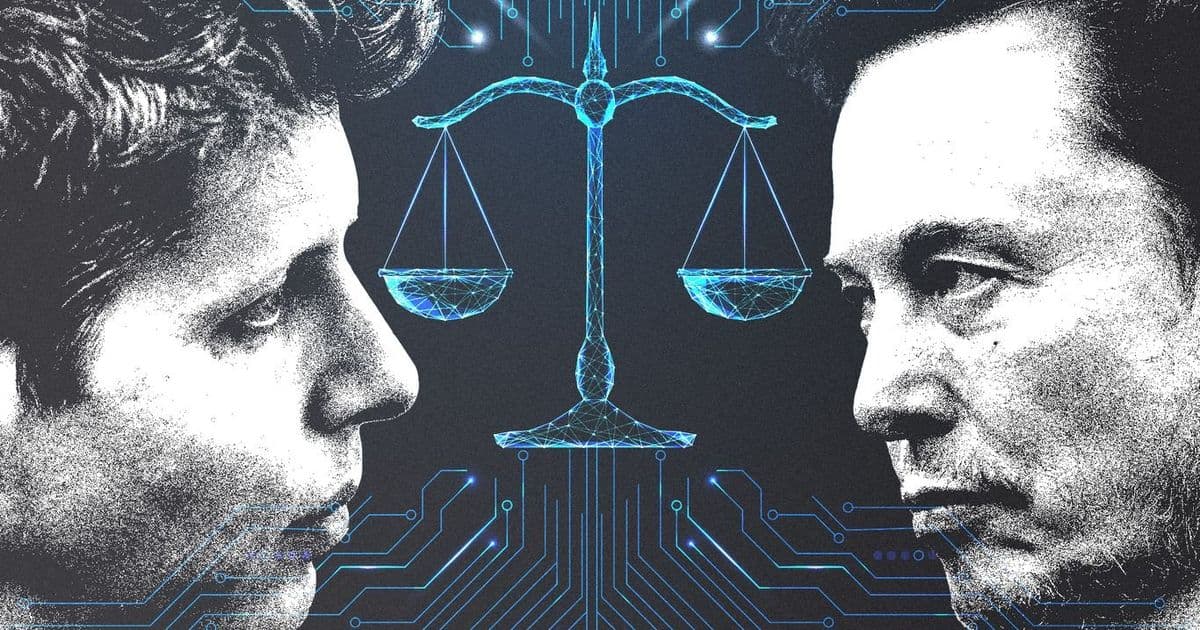
A high‑profile lawsuit between Elon Musk and Sam Altman has triggered a $12 billion market contraction, prompted a 27 % drop in AI‑related venture funding, and forced firms to reassess risk, talent, and product roadmaps.
Musk‑Altman Trial Sends Shockwaves Through AI Sector
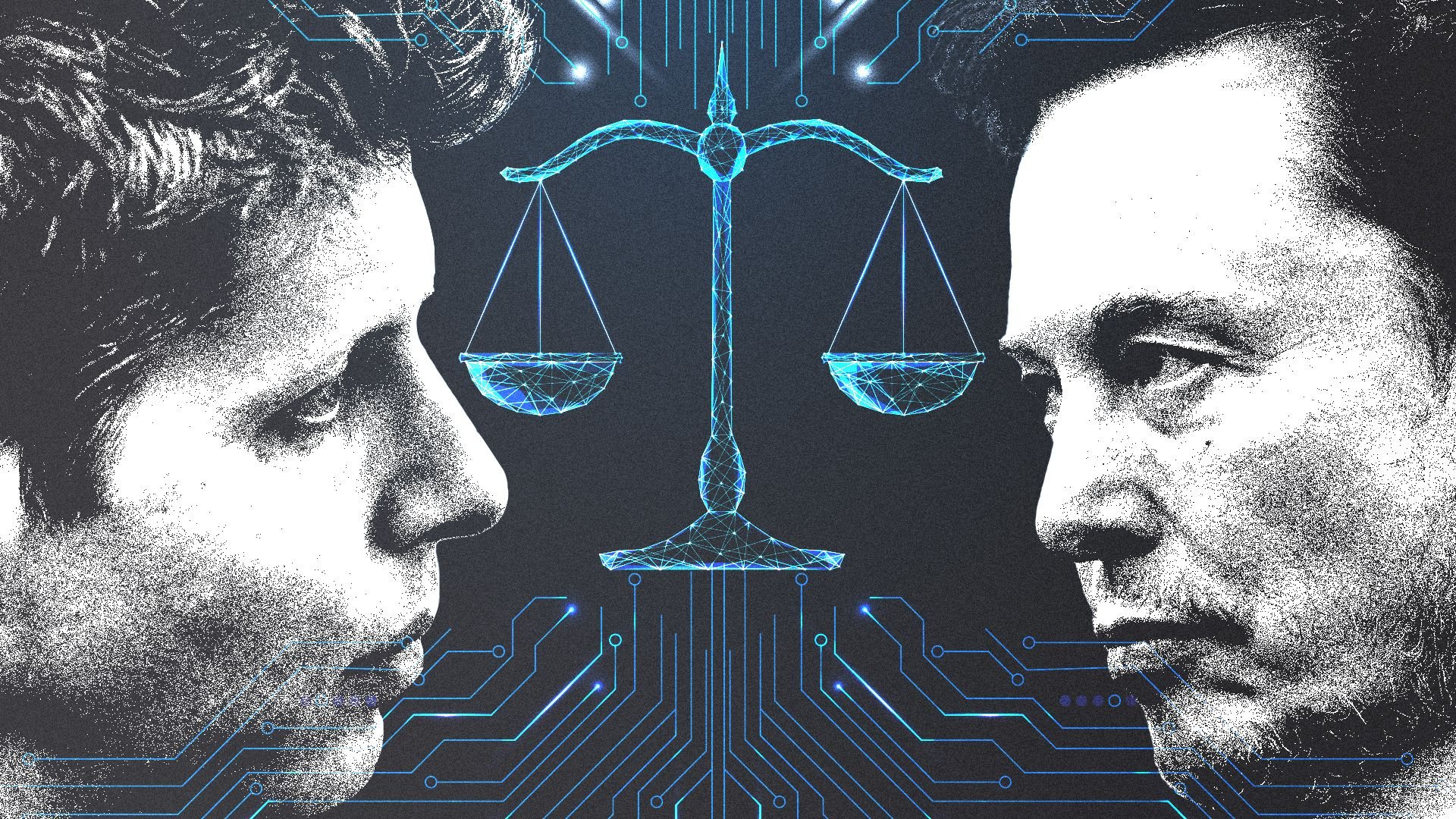
The courtroom showdown between Elon Musk and OpenAI CEO Sam Altman, which began last week, has quickly become the most consequential legal battle for the artificial‑intelligence industry since the 2020 FTC probe of facial‑recognition firms. While the case centers on a disputed non‑compete clause and alleged misuse of proprietary code, the broader market reaction tells a story of heightened uncertainty and capital flight.
Market Context
- Equity impact: Within 48 hours of the first hearing, the Nasdaq‑100 AI‑focused index fell 8.4 %, wiping roughly $12 billion off the combined market cap of the top 20 listed AI companies.
- Venture funding: Data from PitchBook shows that AI‑related venture capital dollars in Q2 2024 dropped to $6.8 billion, a 27 % decline from the same period a year earlier. Seed rounds fell the most sharply, with average ticket size shrinking from $1.2 million to $720,000.
- Talent churn: LinkedIn reports a 14 % increase in AI‑engineer resignations since the trial’s start, and several high‑profile researchers have announced moves to academia or government labs, citing “industry volatility.”
- Regulatory backdrop: The case arrives as the European Union prepares its AI Act, and the U.S. FTC is expected to release new guidance on AI‑driven data practices later this quarter. The legal uncertainty compounds existing policy risk.
What It Means for Companies
1. Re‑evaluating Strategic Partnerships
Musk’s claim that Altman’s OpenAI leveraged code from his former ventures, including the now‑defunct xAI, forces firms to audit joint‑development agreements. Companies that have co‑authored research papers or shared model weights with OpenAI are now reviewing licensing terms to avoid collateral litigation. Legal counsel estimates that compliance reviews could cost $2 million–$5 million per large enterprise.
2. Capital Allocation Shifts
Venture firms are tightening due diligence. Andreessen Horowitz, which led a $2 billion AI fund in 2023, announced a 30 % reduction in new commitments for the next 12 months, redirecting capital toward “core infrastructure” rather than speculative generative‑AI startups. This pivot is already visible in the pipeline: fewer Series A rounds for consumer‑facing chat‑bot apps and more for data‑center optimization tools.
3. Talent Retention Strategies
The talent outflow is prompting a wave of “golden handcuff” packages. Companies such as Microsoft and Google are increasing equity refresh grants by an average of 15 % and extending vesting schedules to mitigate poaching. Startups with limited cash reserves are turning to profit‑sharing models and remote‑work flexibility to stay competitive.
4. Product Roadmap Adjustments
Some firms are scaling back aggressive timelines for next‑gen models. Anthropic, for example, announced a six‑month delay to its Claude 3 release, citing “resource reallocation to address legal risk and compliance.” The delay could postpone anticipated revenue of $250 million projected for the fiscal year.
Broader Industry Outlook
The trial underscores a growing tension between rapid innovation and the legal frameworks that lag behind. If the court ultimately sides with Musk, the precedent could tighten non‑compete enforcement in the AI sector, making cross‑company collaboration more costly. Conversely, a ruling favoring Altman may embolden firms to pursue aggressive talent‑sharing strategies, but could also trigger a wave of antitrust scrutiny.
Investors appear to be pricing in a 15 % risk premium for AI equities over the next two quarters, according to Bloomberg Intelligence. Analysts recommend a focus on companies with diversified revenue streams—cloud services, enterprise licensing, and hardware—because they are better positioned to absorb legal shocks.
Bottom line: The Musk‑Altman trial is less about two personalities and more about the legal scaffolding that will support—or constrain—the next wave of AI development. Companies that act quickly to shore up contracts, preserve capital, and retain talent will emerge with a strategic advantage, while those that remain passive risk being left behind in a market that is already contracting sharply.
Comments
Please log in or register to join the discussion