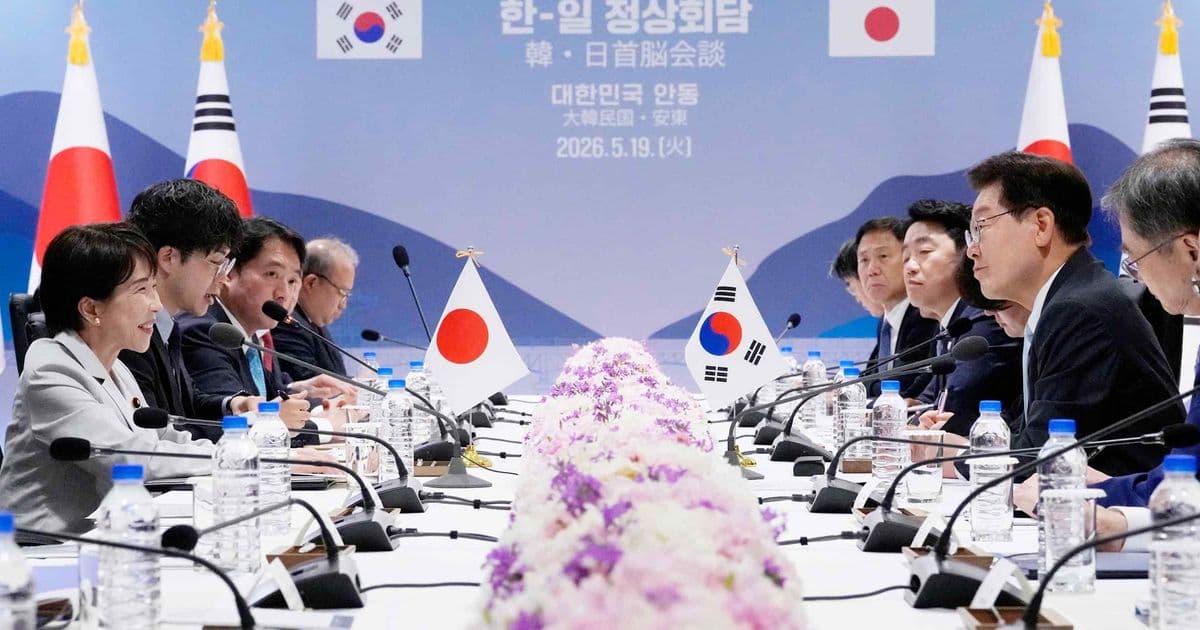
Japanese Prime Minister Sanae Takaichi and South Korean President Lee Jae‑myung agreed to expand cooperation on LNG, oil reserves, AI, and trilateral coordination with the United States, marking a concrete step in the recent thaw of bilateral relations as both nations confront a tightening security environment and volatile energy markets.
Japan‑South Korea Energy Accord Signals New Phase of Cooperation
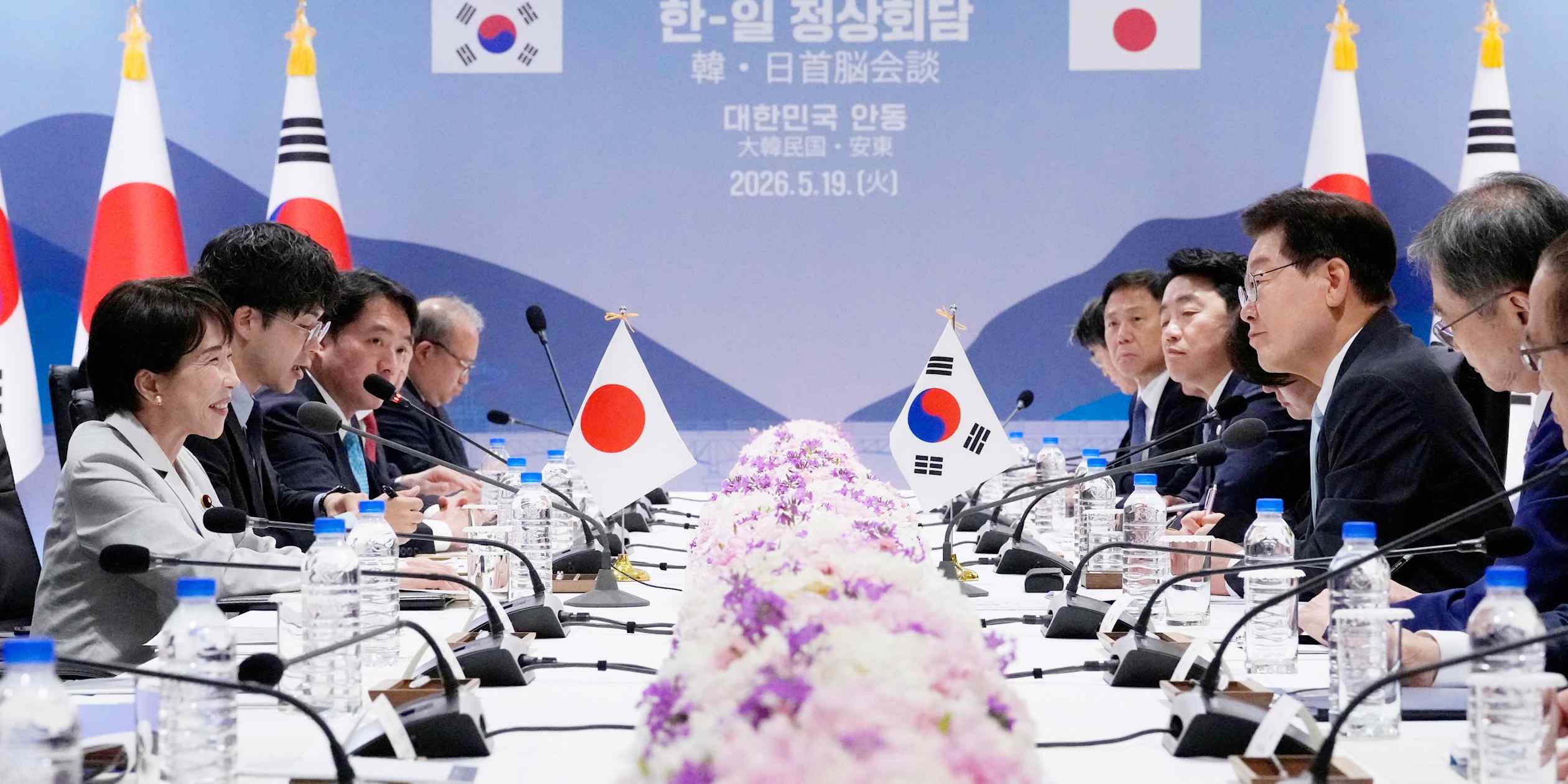
In Andong on 19 May 2026, Japan’s Prime Minister Sanae Takaichi and South Korea’s President Lee Jae‑myung signed a joint statement pledging deeper collaboration on energy security, artificial intelligence, and U.S.–led trilateral coordination. The declaration follows a series of confidence‑building measures that have softened a decades‑long rivalry, and it arrives at a moment when both economies face heightened exposure to global energy shocks.
Market Context: Energy Prices and Supply‑Chain Strain
- LNG imports: Japan imported 7.8 million tonnes of LNG in Q1 2026, a 12 % rise from the same period last year, driven by reduced Russian pipeline flows. South Korea’s LNG intake grew 9 % to 6.5 million tonnes.
- Oil price volatility: Brent crude hovered around US$92 /barrel in May, up 18 % year‑to‑date after the Iran‑Saudi tension flare‑up in early 2026.
- Strategic reserves: Japan currently holds 130 million barrels of oil in its strategic stockpile, while South Korea maintains 70 million barrels. Both countries have pledged to create a joint reserve pool of at least 30 million barrels to buffer against supply disruptions.
- U.S. coordination: The United States has urged its allies to synchronize demand‑response mechanisms, offering technical support for shared reserve management platforms.
What the Agreement Means for the Region
- Enhanced Energy Resilience – By linking their strategic petroleum reserves and coordinating LNG procurement, the two nations can smooth out demand spikes and avoid panic buying that previously drove price spikes in Asian spot markets.
- AI‑Driven Grid Management – The statement includes a plan to co‑fund a US$250 million AI research hub focused on predictive maintenance for power grids and demand‑side management, leveraging Japan’s expertise in robotics and South Korea’s leadership in semiconductor‑based AI chips.
- Supply‑Chain Diversification – Joint investment in hydrogen‑blending infrastructure is slated for 2027, aiming to convert 15 % of domestic natural‑gas consumption to hydrogen by 2035. This aligns with both governments’ carbon‑neutral targets (Japan 2050, South Korea 2050) and reduces reliance on Middle‑East oil.
- Geopolitical Signalling – The coordinated stance with the United States sends a clear message to China and North Korea that the two former adversaries can present a united front on security‑related energy issues, potentially deterring coercive tactics that have plagued the region.
- Market Impact – Analysts at Nomura project that the joint reserve could shave 0.3 percentage points off regional oil‑price volatility premiums over the next 12 months, translating to roughly US$1.2 billion in cost savings for downstream refiners.
Strategic Implications for Business Leaders
- Energy‑intensive industries such as steel, chemicals, and shipbuilding should monitor the joint reserve mechanism for opportunities to secure long‑term supply contracts at more predictable prices.
- Tech firms developing AI for energy optimisation may find a fast‑track to market through the bilateral research fund, especially those with existing partnerships in either country.
- Investors might reassess exposure to Asian energy equities; the reduced risk premium could make Japanese and Korean utilities more attractive relative to their regional peers.
Looking Ahead
The Andong meeting sets a template for future tri‑national drills that could include joint stock‑piling exercises, shared early‑warning systems for cyber‑attacks on energy infrastructure, and coordinated diplomatic outreach to the International Energy Agency. While the agreement does not resolve all historical grievances, it provides a pragmatic framework that aligns economic incentives with security imperatives—an approach that could sustain the thaw even if political winds shift.
For a detailed breakdown of the joint oil‑reserve calculations, see the Ministry of Economy, Trade and Industry’s white paper (PDF) and the Korea Energy Agency’s recent forecast report.
Comments
Please log in or register to join the discussion