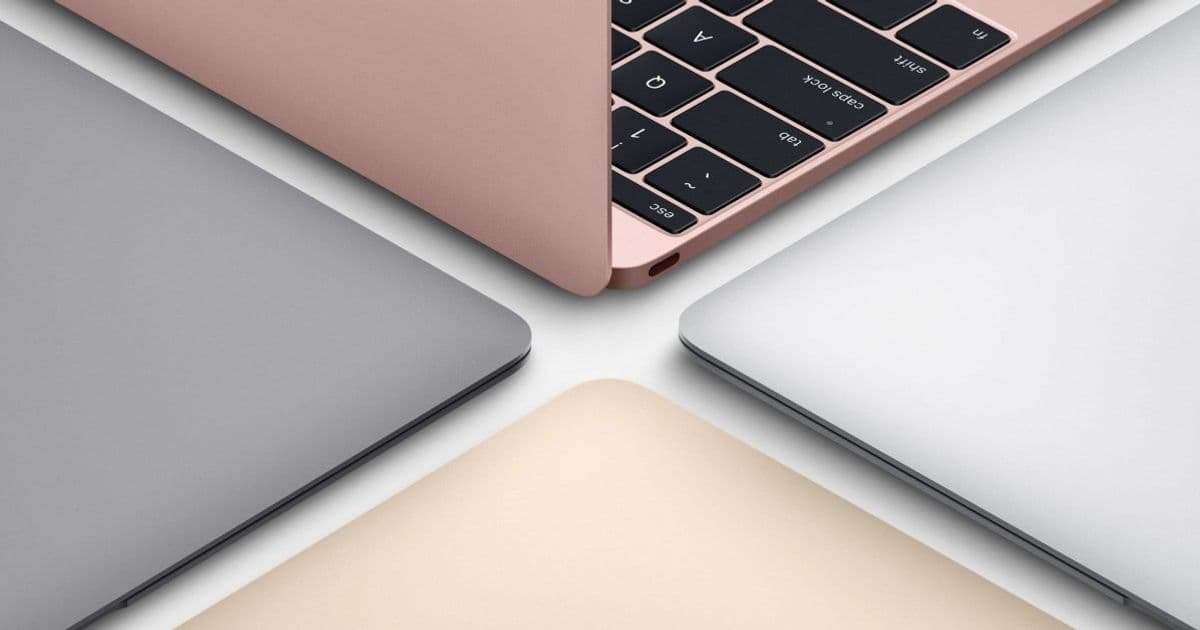
Apple's upcoming MacBook reboot reportedly solves the 2015 model's keyboard, performance, and connectivity limitations through Apple silicon advancements and practical design changes.
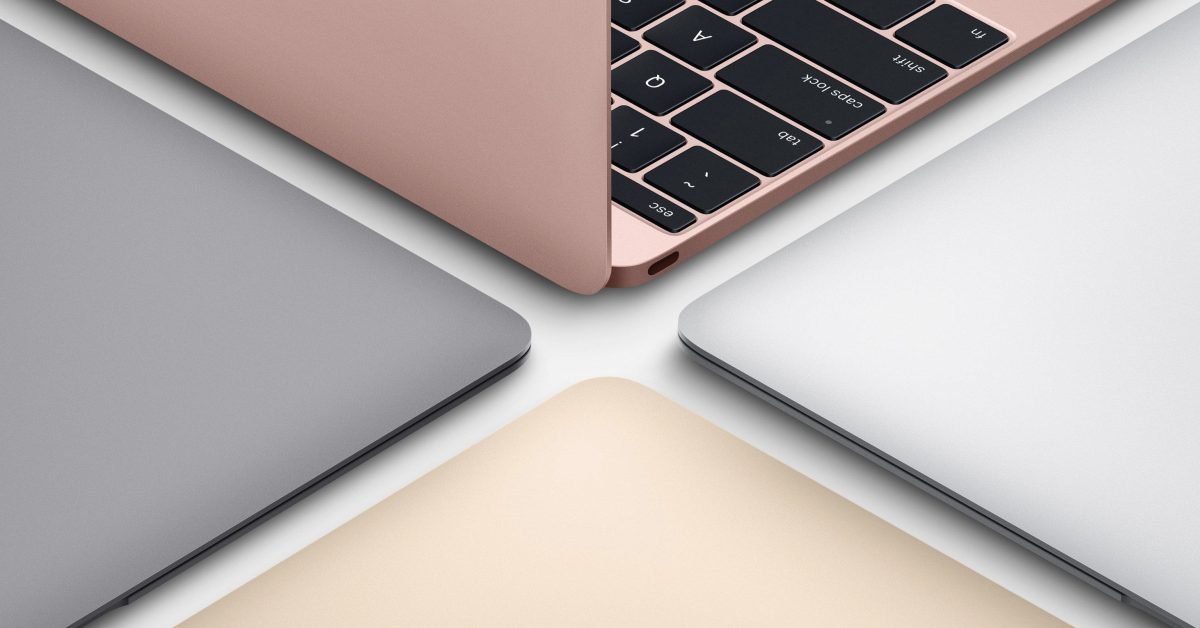
Apple appears poised to reintroduce its standalone MacBook line, with multiple sources indicating a redesigned model targeting late 2026 or early 2027. This revival specifically addresses the notorious limitations of the discontinued 12-inch MacBook from 2015, leveraging hardware advancements and strategic design changes informed by years of user feedback.
Technical Evolution Since the 2015 Model
The original 12-inch MacBook represented Apple's vision for ultra-portable computing but suffered from several critical flaws:
- Butterfly Keyboard Reliability: The much-criticized mechanism led to widespread key failure issues
- Underpowered Intel Core M Processors: Limited thermal headroom constrained performance
- Single-Port Dependency: Sole USB-C port handled charging, data, and display output
- Suboptimal Battery Life: 6-8 hours versus 12+ hours in current Apple silicon models
- Premium Pricing: $1,299 entry point exceeded contemporary MacBook Air costs
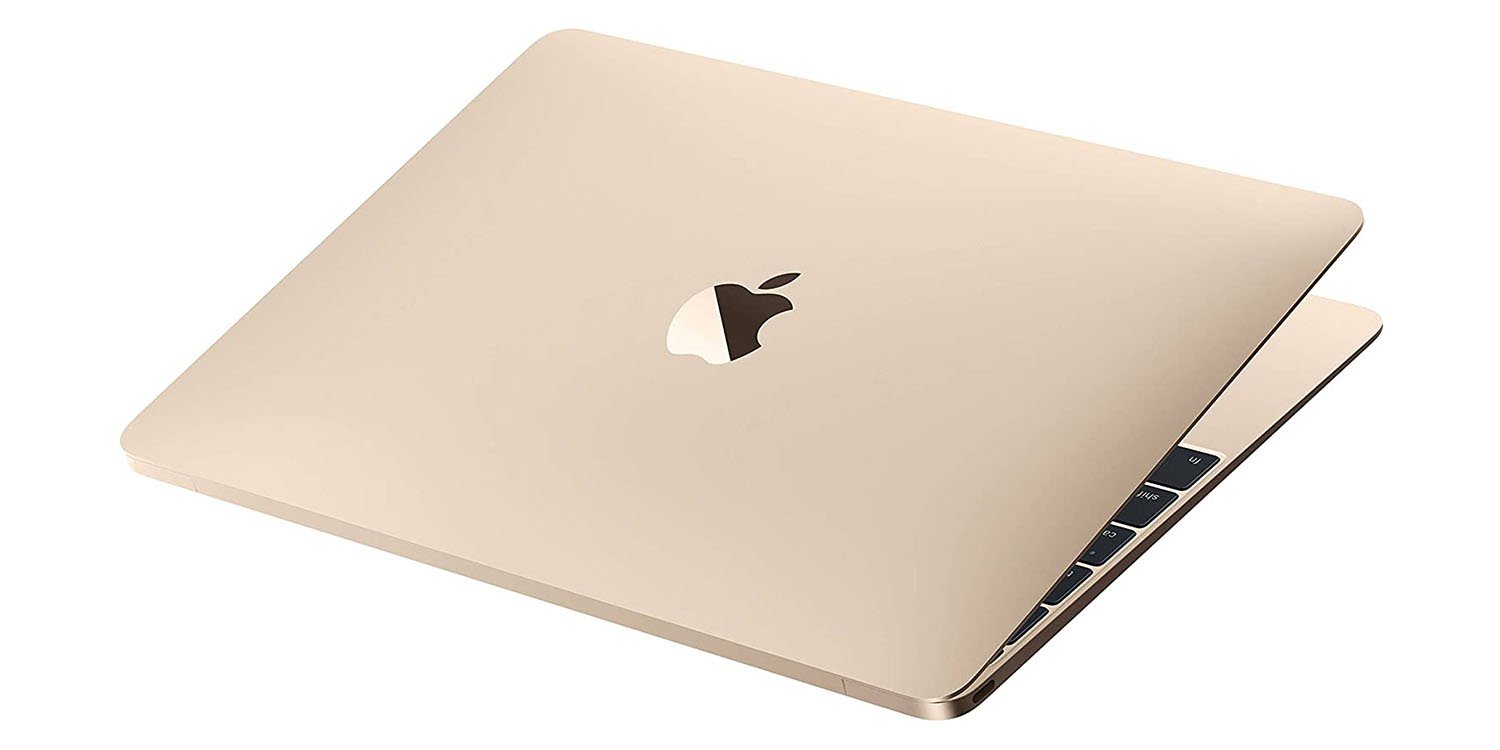
These limitations resulted in users favoring the more practical MacBook Air despite the MacBook's sleek form factor. The upcoming model reportedly addresses each pain point through systemic improvements:
Engineering Solutions in New Design
Input Reliability Apple transitioned all laptops back to scissor-switch keyboards in 2020. The new MacBook will inherit this proven mechanism alongside refined key travel and spill resistance developed for recent MacBook Pro models.
Performance Foundations Leveraging Apple's system-on-chip architecture, the base model will likely feature a variant of the A18 Pro processor. Benchmarks show even Apple's mobile SoCs outperform the Core M series while maintaining thermal efficiency. This enables fanless operation without sacrificing responsiveness for core productivity tasks.
Connectivity and Charging Multiple industry insiders confirm at least two USB-C ports (USB4/Thunderbolt 4 compatible), with MagSafe charging support via dedicated connector. This eliminates the single-point-of-failure while accommodating modern peripherals.
Battery Efficiency Apple silicon's unified memory architecture and power management extend active use beyond 14 hours in similar form factors. TSMC's 3nm fabrication further optimizes energy consumption.
Strategic Positioning and Developer Implications
Priced around $700, the new MacBook targets education markets and iPhone users needing basic computing functionality. This positions it below the MacBook Air while potentially expanding macOS market share.
For developers:
- Broader Install Base: Lower price point may increase macOS user acquisition
- Cross-Platform Testing: Adds another screen size (12.9-inch rumored) to support
- Performance Expectations: Apps optimized for Apple silicon will run efficiently
- Accessory Ecosystem: Dual USB-C ports encourage peripheral innovation

Compatibility Considerations
Early reports suggest compatibility with macOS Sequoia and later. Developers should verify:
- App performance on A-series architecture
- Responsive design for 12.9-inch displays
- Power efficiency during background processes
- Peripheral support through USB-C/Thunderbolt
Unlike its predecessor, this model focuses on practicality over technological showcase. By solving fundamental usability issues while leveraging silicon advancements, Apple appears positioned to deliver a compelling entry-level notebook that avoids repeating past mistakes.
Comments
Please log in or register to join the discussion