Apple teases Siri overhaul at WWDC, memory shortages threaten Mac launches, and the AI industry grapples with supply chain risks and geopolitical tensions.
This week's tech headlines reveal a landscape of ambitious AI promises, supply chain constraints, and the complex geopolitics of artificial intelligence development.
Apple's Siri Tease and Mac Delays
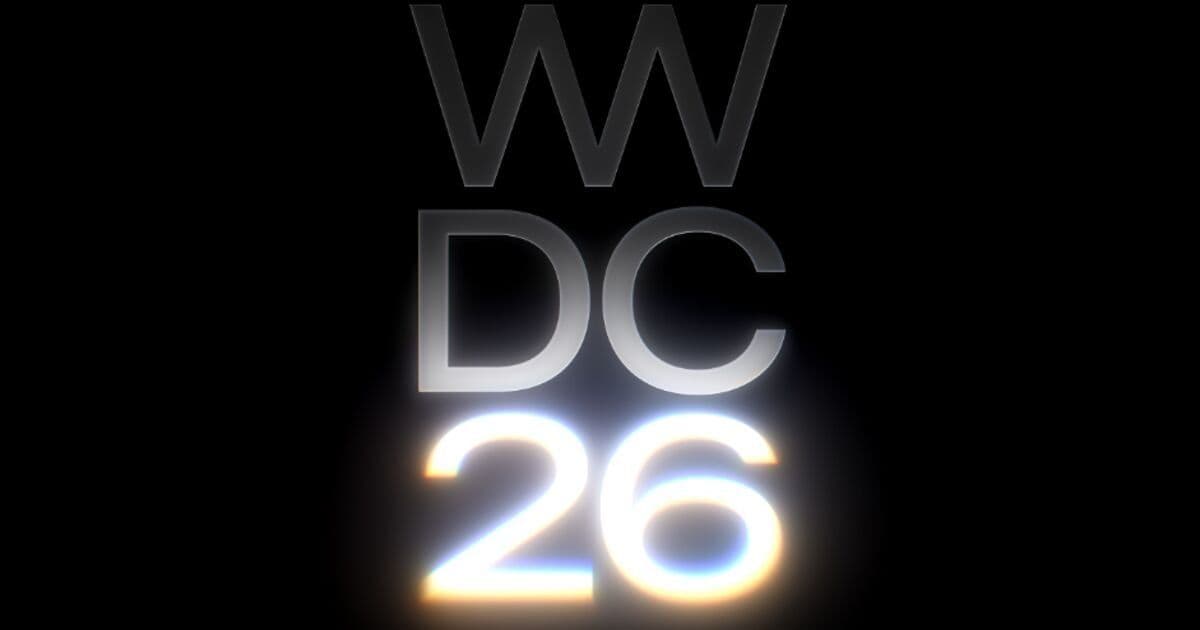
Apple's WWDC 2026 teaser has sparked speculation about a major Siri overhaul, with the glowing "26" in the invitation hinting at a revamped interface coming in iOS 27. However, the excitement is tempered by reports that memory shortages could push back launches of the Mac Studio and touch MacBook Pro by several months.
The memory constraints affecting Apple's hardware roadmap reflect a broader industry challenge. According to Nikkei Asia, global DRAM supply is likely to meet only 60% of demand through 2027, with memory costs hitting approximately 40% of low-end smartphone manufacturing expenses by mid-2026, up from 20% currently.
The Anthropic Supply Chain Controversy
Meanwhile, the AI industry faces scrutiny over its supply chain practices. Anthropic's Mythos model has raised concerns about rising workloads for open-source maintainers, many of whom are already dealing with a "crazy" number of bug reports. This comes amid reports that the NSA is using Mythos Preview, and it's being used widely within the Department of Defense, despite Anthropic's designation as a supply chain risk.
The Department of Defense moved in February to cut off Anthropic and force its vendors to follow suit, highlighting the complex regulatory environment surrounding AI development and deployment.
Palantir's AI Ambitions
Surveillance and analytics company Palantir recently posted what it called a "brief" 22-point summary of CEO Alexander Karp's book "The Technological Republic," promoting hard power, AI weapons, and deterrence while denouncing pluralism and "regressive" cultures. This philosophical stance reflects the growing militarization of AI technology and the competing visions for its future.
Security Breaches and Vulnerabilities
Cloud development platform Vercel disclosed a security incident after threat actors claimed to have breached its systems and are attempting to sell stolen data. The company says its internal systems were accessed via a compromised third-party AI tool, underscoring the security risks inherent in the AI supply chain.
The App Store Boom
Contrary to predictions that AI would kill apps, new app launches are soaring. According to market intelligence firm Appfigures, app releases across the App Store and Google Play grew 60% year-over-year in Q1, with App Store releases alone up 80%. This growth may be driven by AI coding tools that have democratized app development.
AI Infrastructure and Investment
SemiAnalysis, an AI newsletter and research firm founded by Dylan Patel, expects $100M+ in 2026 revenue from subscriptions and AI supply chain research. The firm's analysis suggests that Nvidia deserves significant credit for the current AI boom, highlighting the critical role of hardware infrastructure in AI development.
Google is in talks with Marvell Technology to develop a memory processing unit that works alongside TPUs, as well as a new TPU for running AI models more efficiently. This collaboration reflects the intense competition in AI hardware and the search for performance advantages.
Cryptocurrency and Blockchain Developments
In the cryptocurrency space, an attacker targeting Kelp DAO's LayerZero-powered cross-chain bridge appears to have drained approximately $292 million worth of rsETH before Kelp paused all rsETH contracts. The attack highlights the ongoing security challenges in decentralized finance.
Meanwhile, Binance and Bitget are probing a rally in RaveDAO's RAVE token, which surged 4,500% in a week. Nearly 90% of RAVE's supply was concentrated in just three wallets, and millions of tokens were transferred to exchanges before the price surge, raising questions about market manipulation.
Regulatory and Legal Challenges
A US judge granted an injunction to makers of the banned "ICE Sightings - Chicagoland" Facebook group and Eyes Up mobile app, who say DHS and DOJ violated the First Amendment. Last year, the Trump administration demanded platforms remove a slew of apps that monitored ICE activity, highlighting the tension between government surveillance and digital privacy rights.
The Future of Work and AI
A look at the AI nonprofit METR reveals how its time-horizon metrics are used by AI researchers and Wall Street investors to track the rapid development of AI systems. A chart created by METR has become an industry-wide obsession as it measures the development of big AI systems, providing a quantitative framework for understanding AI progress.
Tesla's Robotaxi Expansion
Tesla is expanding its robotaxi service to Dallas and Houston, following its launch in Austin last year and the introduction of rides without safety drivers in January 2026. This expansion represents a significant milestone in autonomous vehicle deployment and could reshape urban transportation.
Data Center Challenges
Fermi CEO Toby Neugebauer is leaving the company as the data center developer faces issues in securing an anchor tenant and construction delays. The world's largest data center project, backed by Trump allies and bearing his name, is stalled by delays and logistical hurdles that could stop it before it even starts.
Emerging Technologies and Startups
Expo, which develops an eponymous React Native framework and provides cloud services for building cross-platform apps, raised a $45 million Series B led by Georgian. This investment reflects continued confidence in cross-platform development tools as the app ecosystem continues to grow.
Global Competition in AI
Mistral, which once aimed for top open models, now leans on being an alternative to Chinese and US labs. The company says it's on track for $80 million in monthly revenue by December, positioning itself as a European alternative in the global AI race.
At the Beijing half-marathon, several humanoid robots beat human winners by 10+ minutes, with a robot made by Honor beating the human world record held by Jacob Kiplimo. This achievement demonstrates the rapid progress in robotics and AI, with implications for both competitive sports and practical applications.
Conclusion
The tech industry in 2026 is characterized by ambitious AI developments, supply chain constraints, and complex geopolitical tensions. From Apple's Siri revamp to Anthropic's supply chain controversies, from Palantir's philosophical stance to Tesla's robotaxi expansion, the headlines reflect an industry at a critical juncture. As AI systems become more capable and ubiquitous, the challenges of security, regulation, and ethical deployment become increasingly pressing. The coming months will likely see continued rapid development alongside growing scrutiny of the industry's practices and impact.
Comments
Please log in or register to join the discussion