
ZDNET's hands-on comparison reveals critical trade-offs between Apple's health-focused Series 11 and Google's AI-powered Pixel Watch 4. Discover which flagship wearable wins on battery life, privacy, and advanced health monitoring based on real-world testing.
Apple Watch Series 11 vs. Pixel Watch 4: The Ultimate Wearable Tech Face-off
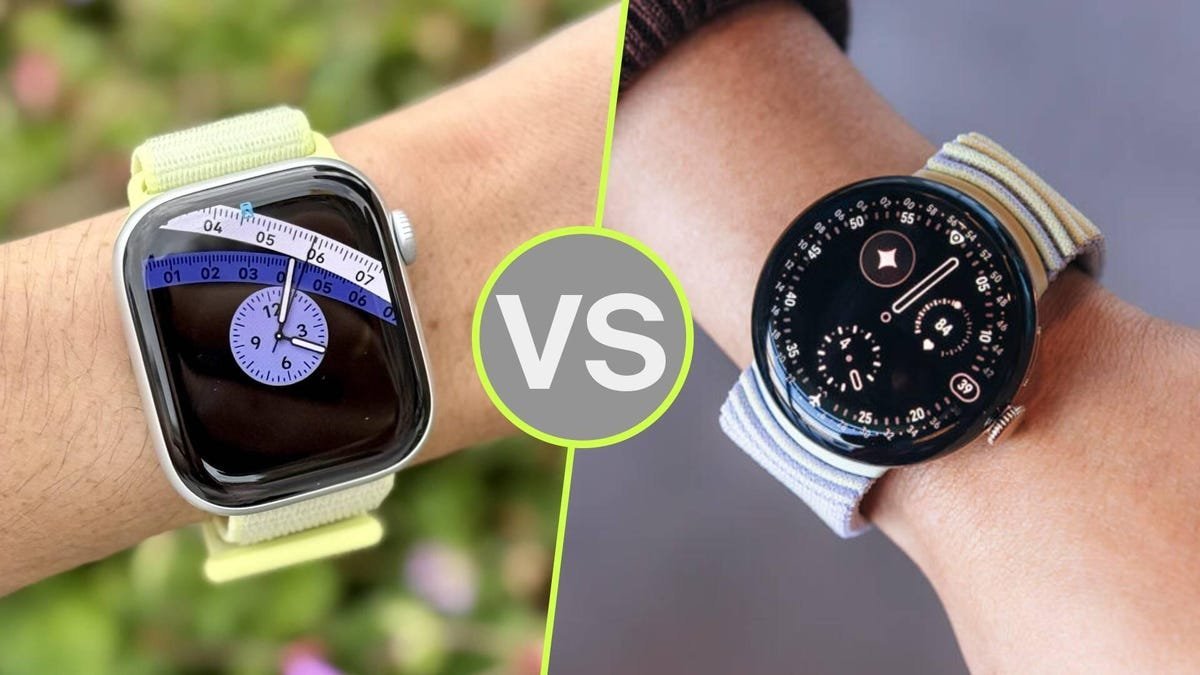
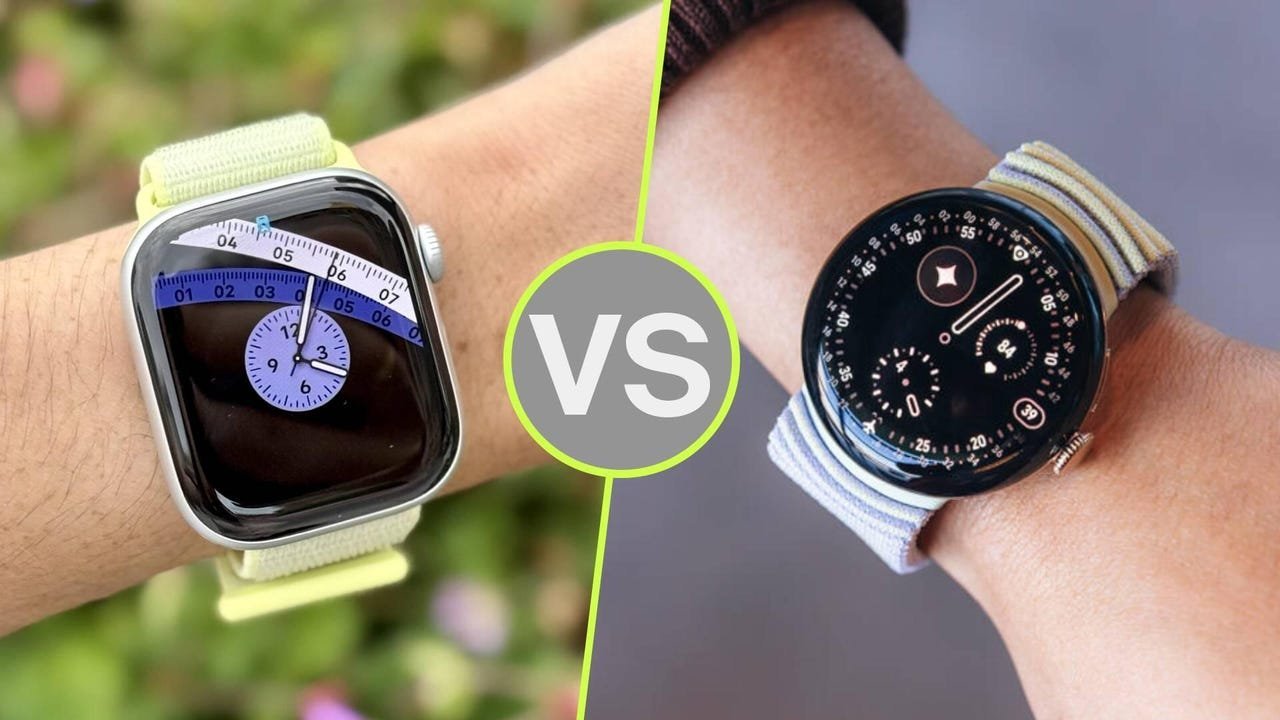
Main image: Apple Watch Series 11 (right) and Pixel Watch 4 (left) side-by-side comparison. Credit: ZDNET
When Apple unveiled its Watch Series 11 with satellite SOS and FDA-cleared hypertension detection at September's iPhone event, I watched from Steve Jobs Theater while mentally comparing it to Google's recently launched Pixel Watch 4. Both represent peak smartwatch engineering in 2025, yet they diverge dramatically in philosophy and execution. After intensive testing, the choice between them hinges on three non-negotiable factors: health capabilities, battery endurance, and data privacy.
The Privacy Divide: Wrist-Worn Data Governance
Before dissecting specs, consider this: Smartwatches harvest your most intimate biometric data—heart rhythms, sleep patterns, blood oxygen, and menstrual cycles. ZDNET's analysis reveals Apple maintains "excellent" data practices, sharing information only with explicit user permission and never selling it. Google earns a "good" rating—better than Samsung or Meta—but shares data within its ecosystem with opt-in third-party access.
"If data privacy is paramount, Apple's walled garden provides stronger guarantees," notes wearables analyst Nina Raemont. "But Google's approach still outperforms most Android competitors."
Technical Specifications: Beyond the Spec Sheet
| Feature | Apple Watch Series 11 | Pixel Watch 4 |
|---|---|---|
| Brightness | 2,000 nits | 3,000 nits |
| Weight | 30.3g (42mm), 37.8g (46mm) | 31g (41mm), 36.7g (45mm) |
| Processor | S10 dual-core | Snapdragon W5 Gen 2 |
| Memory | 1GB RAM, 64GB storage | 2GB RAM, 32GB storage |
| Battery | 24 hours (AOD enabled) | 30-40 hours (AOD enabled) |
| Satellite SOS | Ultra 3 model only | Included at base price |
| Starting Price | $399 | $349 |
Why Apple Watch Series 11 Dominates Health Tech
Apple Watch Series 11 emphasizes clinical-grade health monitoring. Credit: Nina Raemont/ZDNET
Ergonomic Excellence: The Series 11's slimmer profile (especially the 42mm variant) disappears on your wrist during sleep tracking—a tangible advantage over the thicker Pixel Watch 4.
Medical-Grade Features: Apple's FDA-cleared hypertension detection analyzes 30 days of blood pressure trends, while sleep apnea monitoring works alongside its reinstated blood oxygen sensing. No rival offers this clinical depth.
"This isn't just fitness tracking—it's preventative healthcare," observes Raemont. "Apple's $1 billion annual R&D investment in health tech shows."
Pixel Watch 4's Counterpunch: AI and Endurance
Battery Supremacy: Google delivers 30-40 hours of runtime—outlasting Apple by 6-16 hours. For multi-day trips, this is transformative.
Satellite for All: Unlike Apple's Ultra 3 exclusivity, Pixel includes emergency satellite messaging at its $350 base price.
Brighter Display: The 3,000-nit screen shines in direct sunlight, though both watches perform admirably outdoors.
AI Integration: Deeper Gemini-powered assistance anticipates needs—from contextual notifications to adaptive coaching.
The Verdict: Specialized Champions
Choose Apple if clinical health insights and privacy are non-negotiable. Its hypertension detection alone could save lives, and the featherweight design enables 24/7 wear. Opt for Google if you prioritize battery longevity, satellite access without premium pricing, or seamless Android/Gemini integration. For Android users seeking alternatives, Samsung's slimmer Galaxy Watch 8 remains compelling.
Ultimately, these watches reflect their makers' core identities: Apple's health-first precision versus Google's AI-powered utility. Neither dominates universally—but both push wearable technology toward unprecedented capabilities. As biometric sensors evolve from novelty to medical necessity, our wrists become the new frontline in preventative healthcare.
Source: ZDNET hands-on testing and analysis by Nina Raemont
Comments
Please log in or register to join the discussion