
In-depth analysis reveals how Apple's FDA-cleared health features and privacy focus challenge Google's AI-first approach in the latest premium smartwatches. Discover which wearable leads in critical areas like medical-grade detection, battery life, and data ethics for developers and health-tech innovators.
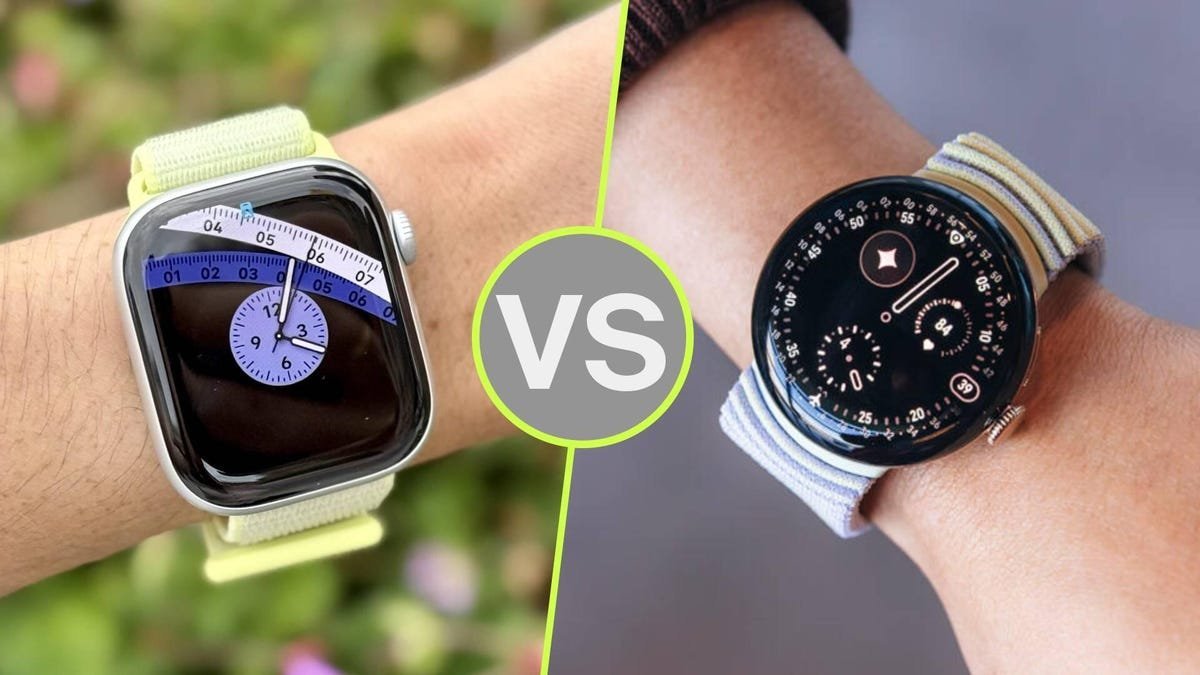
The smartwatch arena has evolved beyond step counting into a high-stakes battleground for health-tech supremacy. At September's Apple event, the Series 11 Watch debuted with FDA-cleared hypertension detection and satellite SOS – features squarely targeting medical-grade utility. Meanwhile, Google's Pixel Watch 4 counters with extended battery life and deeper AI integration. This clash represents divergent philosophies in wearable engineering with significant implications for developers and the future of personal health monitoring.
Privacy as Foundational Architecture
Smartwatches collect unprecedented biometric data – heart rate variability, sleep patterns, and now blood pressure trends. ZDNET's analysis highlights a critical divergence:
"Apple shares data only with user permission and claims to never sell data... Google shares data within its ecosystem with opt-in third-party sharing but no ad targeting."
For health-tech developers, this creates distinct sandboxes. Apple's closed ecosystem favors HIPAA-compliant applications with strict data governance, while Google's approach enables broader AI training datasets. The engineering trade-off? Privacy rigor versus algorithmic sophistication.
Hardware Divergence: Thinness vs. Endurance
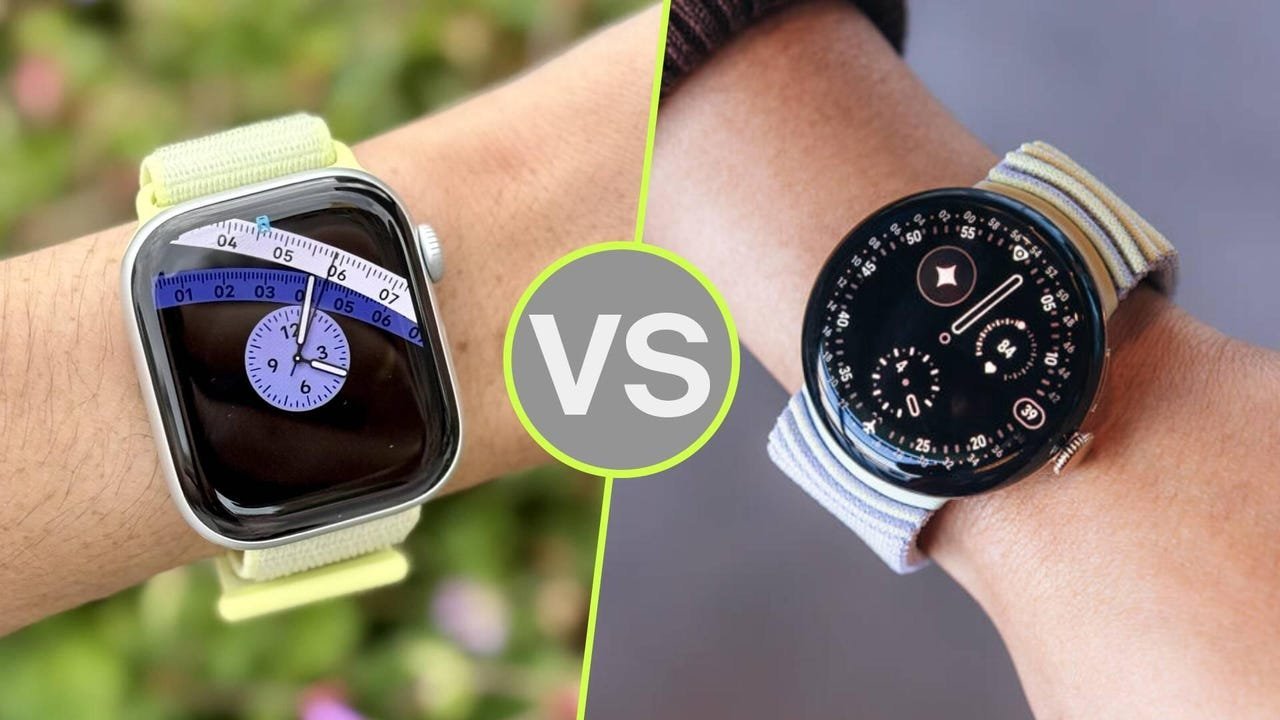
Hands-on testing reveals fundamental hardware philosophies:
- Apple Series 11 (42mm: 30.3g): Achieves medical functionality in a clinically viable form factor. The 30% thinner profile enables continuous overnight wear for sleep apnea detection.
- Pixel Watch 4 (45mm: 36.7g): Prioritizes battery capacity (40 hours with AOD) using Snapdragon W5 Gen 2 efficiency. The thickness accommodates larger power cells ideal for multi-day patient monitoring trials.
| Component        | Apple Watch Series 11 | Pixel Watch 4       |
|------------------|-----------------------|---------------------|
| Processor        | S10 dual-core         | Snapdragon W5 Gen 2 |
| Health Sensors   | Hypertension detection| Advanced HR variability |
| Emergency Connectivity | Satellite (Ultra 3 only) | Satellite standard |
The FDA Factor: When Wearables Become Medical Devices
Apple's hypertension detection isn't just another sensor – it's a paradigm shift:
- 30-day passive monitoring establishes baseline cardiovascular profiles
- FDA clearance enables clinical trustworthiness
- Closed-loop alerts notify users crossing threshold values
This positions Apple as a de facto remote patient monitoring platform. For healthcare developers, Series 11 offers a pre-certified hardware layer for HIPAA-compliant apps – reducing regulatory hurdles. Google's strength lies in predictive analytics through its Tensor-powered health insights, but lacks equivalent medical certifications.
Satellite SOS: Business Model Implications
Both watches offer emergency satellite messaging, but with divergent monetization:
- Apple: Limits feature to $799 Ultra 3, creating premium tier segmentation
- Google: Includes standard on $350 base model, prioritizing accessibility
This reflects core brand strategies – Apple's segmented ecosystem versus Google's democratized access. For developers, it dictates potential user bases for safety-focused applications.
The Verdict: Purpose Dictates Preference
Choose Series 11 for: Medical-grade health validation, privacy-centric architecture, and clinical application development. The $399 entry point delivers certified hypertension/sleep apnea monitoring unseen elsewhere.
Choose Pixel Watch 4 for: Extended field deployment (40hr battery), cost-effective satellite access, and AI-driven health forecasting. At $350, it's the value leader for data scientists prototyping predictive models.
As wearables evolve from accessories to diagnostic tools, this generation proves hardware is no longer the sole battleground – regulatory strategy, data ethics, and developer ecosystems will define the next frontier. The winner? Healthcare innovation itself.
Comments
Please log in or register to join the discussion