Apple has launched AppleCare One, a monthly subscription service that covers multiple devices under a single plan, offering cost savings and streamlined management for multi-device households. The plan extends theft and loss coverage to iPads and Apple Watches while allowing older devices to be added, signaling Apple's push to deepen ecosystem loyalty and recurring revenue. For developers and tech leaders, this reflects broader trends in subscription-based support models and user retention strat
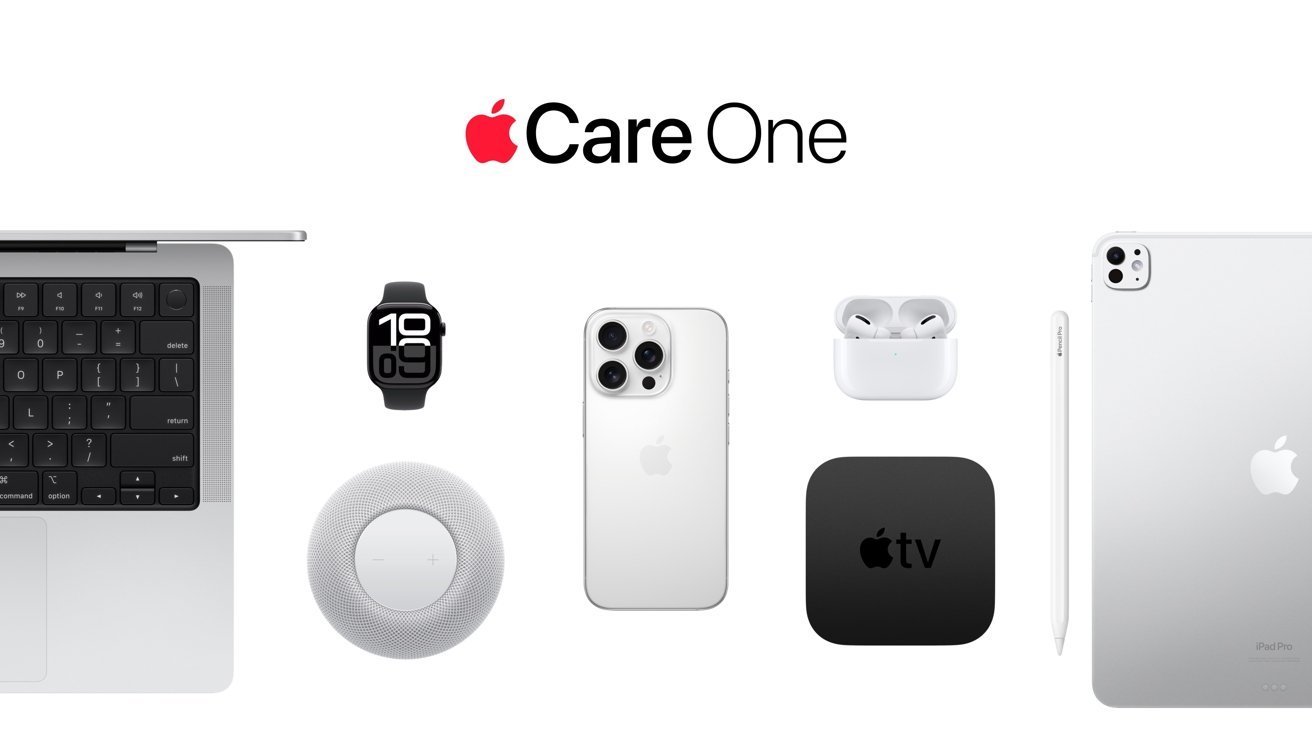
For years, managing AppleCare+ coverage for an iPhone, iPad, Apple Watch, and Mac meant juggling separate subscriptions, each with their own costs and renewal dates. That complexity ends with AppleCare One, Apple's new unified subscription service launching July 24 in the U.S. Priced at $19.99 per month for up to three devices—with each additional device costing $5.99—the plan consolidates support and protection into a single, flexible package. This isn't just a billing tweak; it's a strategic move that simplifies the user experience while locking customers deeper into Apple's ecosystem—a shift with implications for developers building cross-device apps and services.
Breaking Down the Offerings
AppleCare One includes all the core benefits of AppleCare+, such as accidental damage coverage, 24/7 priority support, and battery service. Crucially, it expands theft and loss protection beyond iPhones to include iPads and Apple Watches for the first time. Devices can be added or removed at any time, and coverage automatically transfers during trade-ins, eliminating the administrative friction of individual plans.
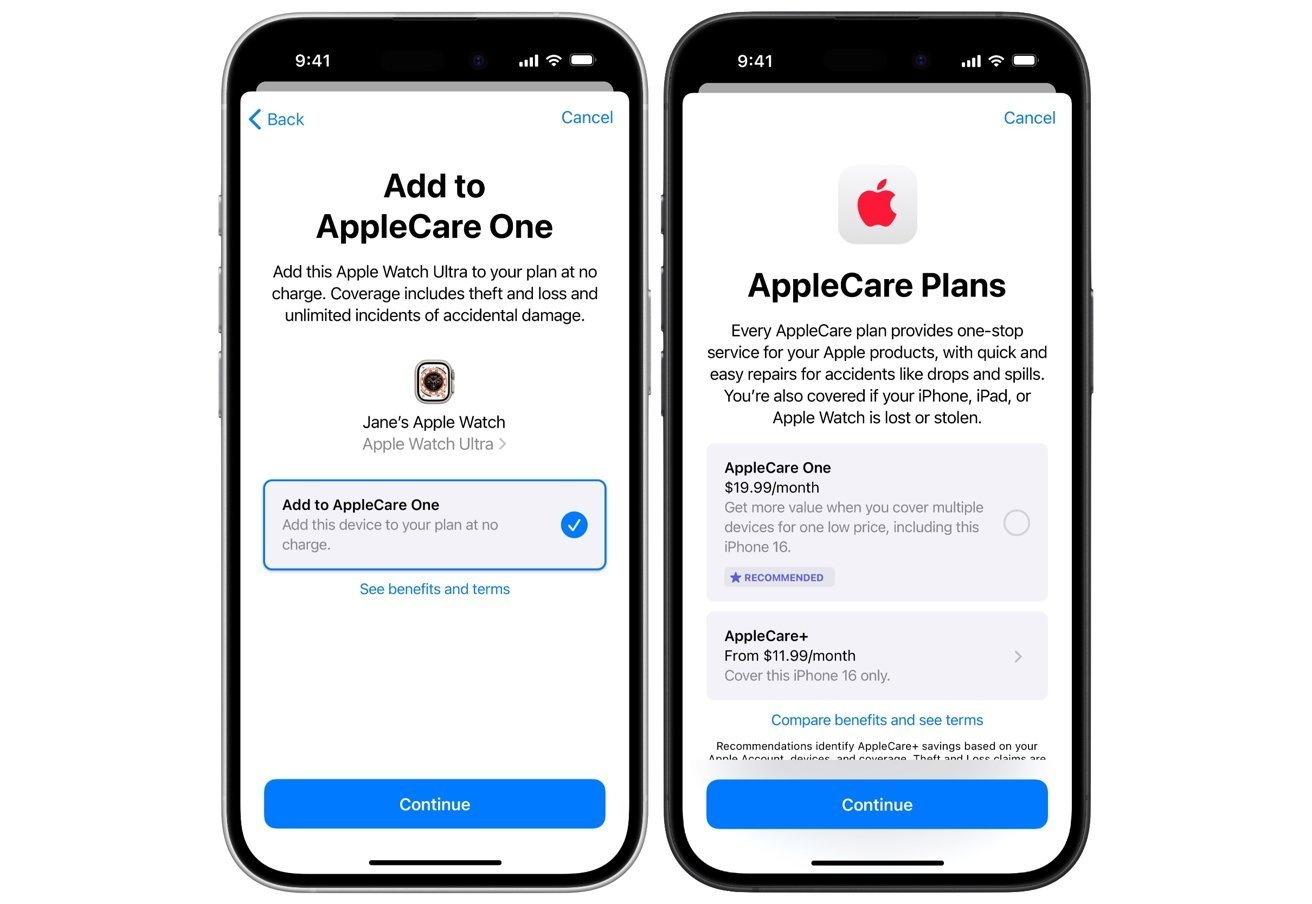
A standout feature is the inclusion of older devices: Apple now allows eligible products up to four years old to join the plan after passing a diagnostic check or in-store inspection. For instance, a developer could buy a new MacBook Pro, subscribe to AppleCare One, then add an aging iPhone 16 and Apple Watch to the same coverage umbrella. This flexibility caters to real-world tech stacks, where devices aren't uniformly upgraded.
Cost Savings and Ecosystem Strategy
Financially, AppleCare One delivers tangible savings. Covering an iPhone, iPad, and Apple Watch under individual AppleCare+ plans costs about $21 monthly, but the new bundle drops this to $19.99. Add a MacBook Air, and the price falls from nearly $29 to $25.98—saving users roughly $36 annually. As AppleInsider notes, this model "makes it easier for users to manage their tech support in one place," but the implications run deeper.
For Apple, this is a savvy ecosystem play. By reducing barriers to comprehensive coverage, the company incentivizes multi-device ownership—boosting retention for services like iCloud or Apple Arcade. Simultaneously, it taps into recurring revenue streams, with the potential to convert previously uncovered older devices into active subscriptions. Developers should note this emphasis on seamless cross-device experiences, which could influence app design and support strategies.
Why This Matters for Tech Professionals
Beyond consumer convenience, AppleCare One underscores a broader industry pivot toward subscription-based support models. For DevOps teams and security experts, the diagnostic requirements for adding older devices highlight Apple's focus on device health verification—a nod to security and reliability concerns in heterogeneous environments. It also reflects how tech giants are monetizing longevity in hardware lifecycles, contrasting with traditional upgrade cycles.
Ultimately, AppleCare One isn't just about cheaper coverage; it's about embedding users in an integrated support framework that rewards ecosystem loyalty. As multi-device households become the norm, this model could set a precedent for how tech companies bundle protection—making it a win for users seeking simplicity and a strategic lever for Apple's growth.
Source: AppleInsider
Comments
Please log in or register to join the discussion