
Uber launches its 'Women Preferences' feature in Los Angeles, San Francisco, and Detroit, allowing women riders to prioritize matching with women drivers, and vice versa. This technical implementation within Uber's core app addresses longstanding safety concerns using preference toggles, reservation options, and fallback mechanisms. The move follows the feature's proven success across 40 countries since its 2019 Saudi Arabia debut.
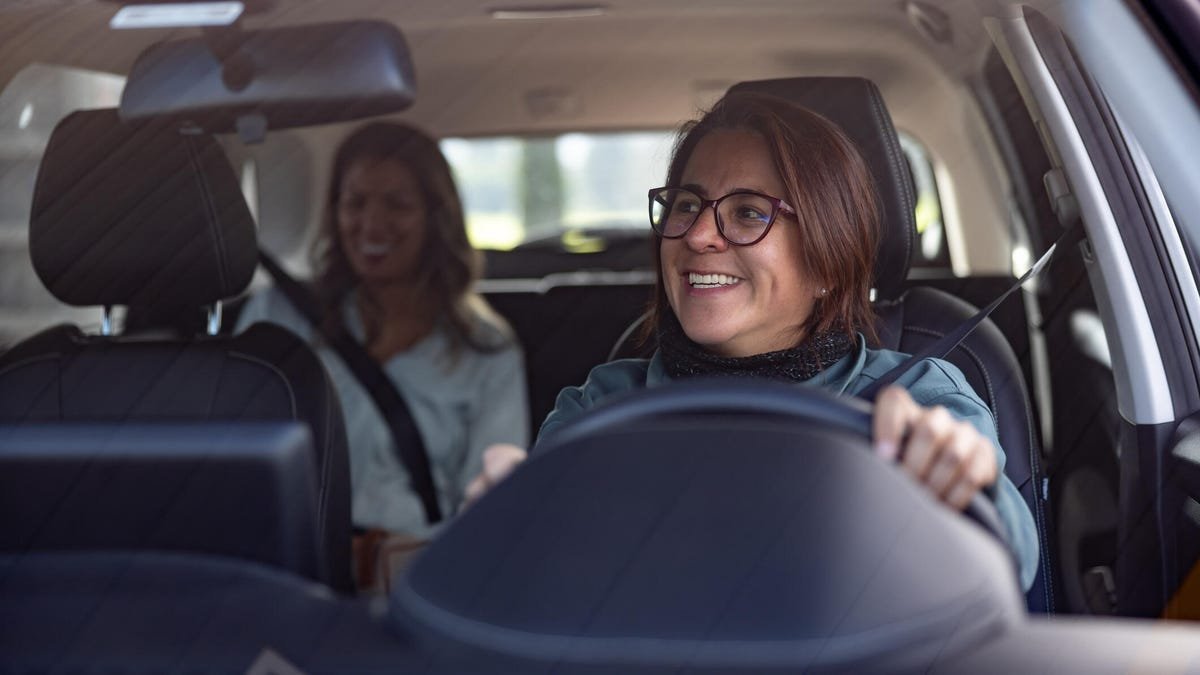
For years, women riders and drivers on Uber have voiced concerns about safety during trips. Now, Uber is deploying a significant technical solution directly within its core application: Women Preferences. Launching initially in Los Angeles, San Francisco, and Detroit over the coming weeks, this feature represents a major evolution in how the platform handles rider-driver matching, specifically addressing gender-based safety requests.
How the Technical Implementation Works
The feature integrates directly into the existing ride-booking flow:
- App Integration: 'Women Drivers' appears alongside standard options like UberX or UberXL when users request an on-demand ride.
- Preference Setting: Users can proactively set a persistent preference for women drivers within their Uber app settings, increasing the likelihood of future matches without needing to select it for every trip.
- Reservation System: Women riders have the option to specifically reserve a ride with a woman driver in advance.
- Fallback Handling: If the estimated wait time for a woman driver exceeds other available options, the app provides clear alternatives, ensuring practicality.
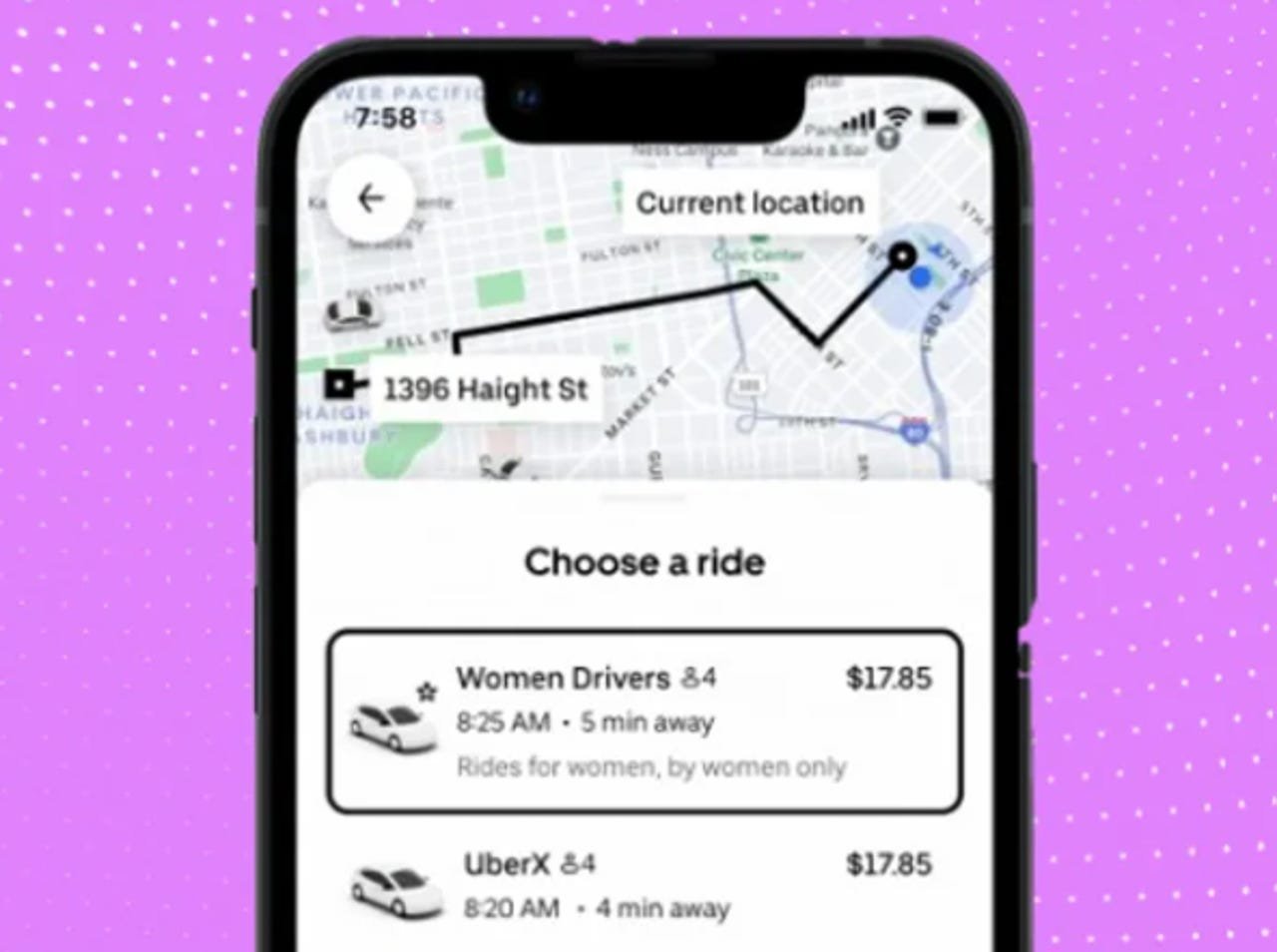
Uber's interface showing the new preference option (Uber/ZDNET).
Crucially, the matching works reciprocally. Women drivers using the app will also have the opportunity to be preferentially matched with women riders, even during high-demand peak hours. This dual-sided approach acknowledges safety concerns from both sides of the transaction.
A Feature Forged Through Data and Global Testing
This US launch isn't experimental. Women Preferences (previously known as Women Rider Preference) first launched in Saudi Arabia in 2019. Its subsequent expansion to 40 countries provided Uber with substantial operational data and user feedback validating both the demand and the technical feasibility of implementing gender-based preference filters at scale within their complex matching algorithms.
The impetus is clear. Uber's own biennial US Safety Report (2021-2022) recorded 2,717 reports of sexual assault incidents. While Uber emphasizes that "the vast majority of Uber trips -- 99.9998% -- are conducted without any incidents reported," it also starkly states that "even one such safety incident is one too many." The report noted a 44% decrease in the rate of reported sexual assault since their first report, but the raw numbers underscore an ongoing need for proactive safety measures. This feature is a direct, technically implemented response to those persistent concerns.
Technical Challenges and Future Implications
Implementing such a feature involves significant backend complexity. The matching algorithms must balance:
- User Preferences: Honoring rider and driver gender preferences without creating excessive wait times.
- Supply/Demand Dynamics: Ensuring sufficient availability of women drivers in the selected categories during requested times.
- Geofencing: Rolling out and testing the feature in specific metropolitan areas first.
- Legal & Regulatory Compliance: Navigating potential legal considerations around gender-based matching in different jurisdictions.
The phased US rollout allows Uber to monitor performance, demand, and any unforeseen technical or operational issues before a potential nationwide expansion. Its success could set a precedent for how other gig economy platforms approach integrating granular safety preferences directly into their core user experiences, moving beyond reactive measures like in-app emergency buttons towards proactive risk mitigation through smarter matching logic. While not a panacea, it represents a tangible step leveraging app technology to address a critical user safety need.
Comments
Please log in or register to join the discussion