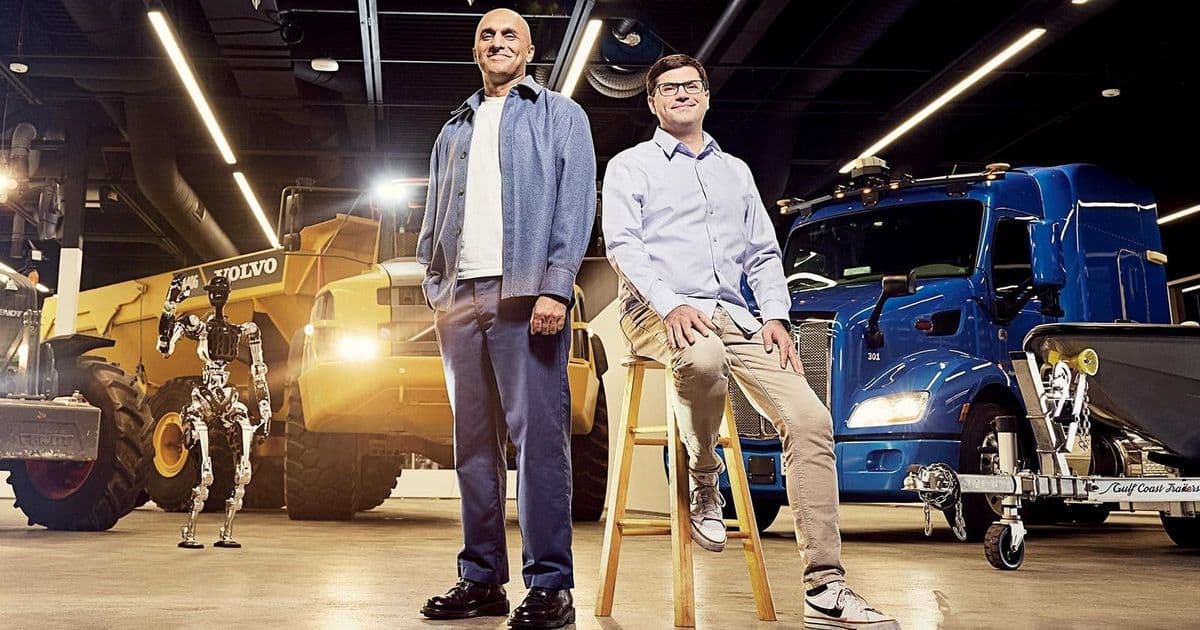
Applied Intuition, a self-driving simulation software maker with $800M revenue and 80% gross margins, is expanding beyond automotive as it positions human-driven cars as soon-to-be outdated technology.
Applied Intuition, the self-driving simulation software company that reported $800M in revenue and 80% gross margins in 2025, is expanding beyond its automotive roots as it positions human-driven cars as technology that will soon seem dated.
Founded in 2017, Applied Intuition has built its business on providing simulation software that allows autonomous vehicle companies to test their self-driving systems in virtual environments. The company's CEO Qasar Younis and CTO Peter Ludwig believe the transition away from human-driven vehicles is inevitable, comparing it to how smartphones made flip phones seem obsolete.
The Simulation Advantage
The company's core product is its simulation platform that creates realistic virtual environments for testing autonomous vehicles. This approach allows companies to run millions of miles of virtual testing without the cost and safety concerns of real-world trials. The high gross margins suggest the software has strong scalability and low marginal costs once developed.
Applied Intuition's clients include major automakers and autonomous vehicle startups who use the platform to validate their self-driving systems before deploying them on public roads. The simulation software can replicate various weather conditions, traffic scenarios, and edge cases that would be difficult or dangerous to test in the real world.
Beyond Automotive Expansion
While the company built its reputation in the automotive sector, Applied Intuition is now looking to apply its simulation expertise to other industries. The technology could be valuable for robotics, industrial automation, and any field where complex systems need to be tested in controlled virtual environments before real-world deployment.
This expansion strategy makes sense given the broader AI and robotics trends. As autonomous systems become more sophisticated, the need for comprehensive testing and validation tools will only grow. Applied Intuition's simulation technology could become the standard testing platform across multiple industries.
Market Context
The self-driving industry has seen significant investment and development over the past decade, with companies like Waymo, Cruise, and Tesla pushing the boundaries of autonomous technology. However, the timeline for widespread adoption has proven longer than many early predictions suggested.
Applied Intuition's success with high margins indicates that while the full realization of autonomous vehicles may still be years away, the infrastructure and tools needed to develop them are already generating substantial revenue. The company has positioned itself as a critical supplier to the autonomous vehicle ecosystem rather than trying to build the vehicles themselves.
Competitive Landscape
Applied Intuition faces competition from other simulation and testing companies, as well as from autonomous vehicle companies building their own testing infrastructure. However, its focus on providing simulation as a service rather than developing autonomous technology directly may give it advantages in terms of neutrality and broad applicability.
The company's expansion beyond automotive will likely bring it into competition with other simulation and testing companies that serve the broader robotics and industrial automation markets.
Future Outlook
As autonomous systems become more prevalent across industries, Applied Intuition's simulation technology could become increasingly valuable. The company's high margins suggest it has found a profitable niche in the autonomous vehicle development pipeline.
The belief that human-driven cars will soon seem dated reflects the long-term vision of the company's leadership. While this transition may take longer than some predict, the development of the tools and infrastructure needed to enable it is already generating significant business.
Applied Intuition's expansion strategy positions it to benefit from the broader trend toward automation and autonomous systems, not just in transportation but across multiple industries where complex systems need to be tested and validated before deployment.
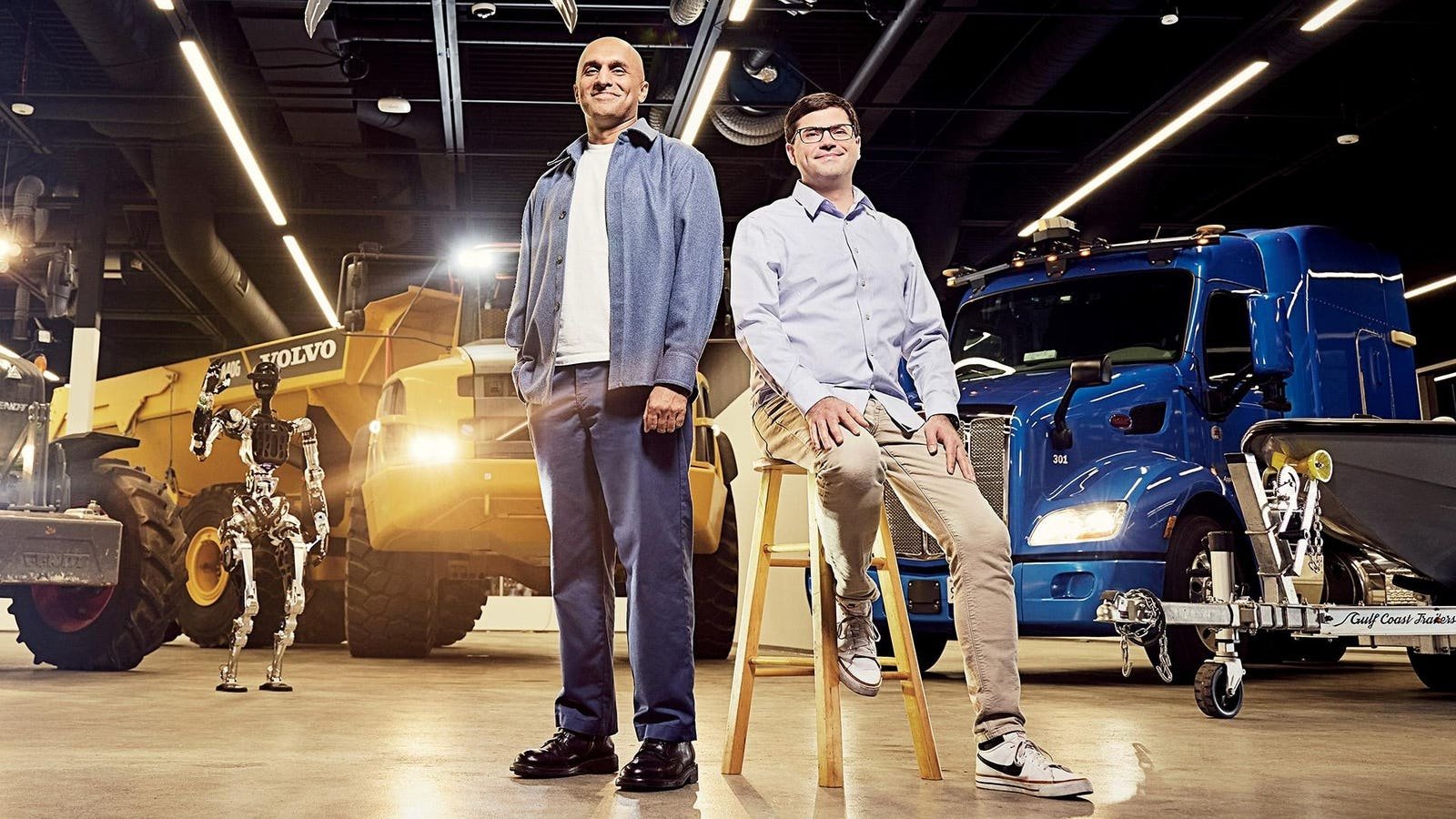
The company's growth and profitability in a sector that many still consider speculative demonstrates the real business opportunities in the autonomous vehicle ecosystem, even as the timeline for full deployment continues to evolve.
Comments
Please log in or register to join the discussion