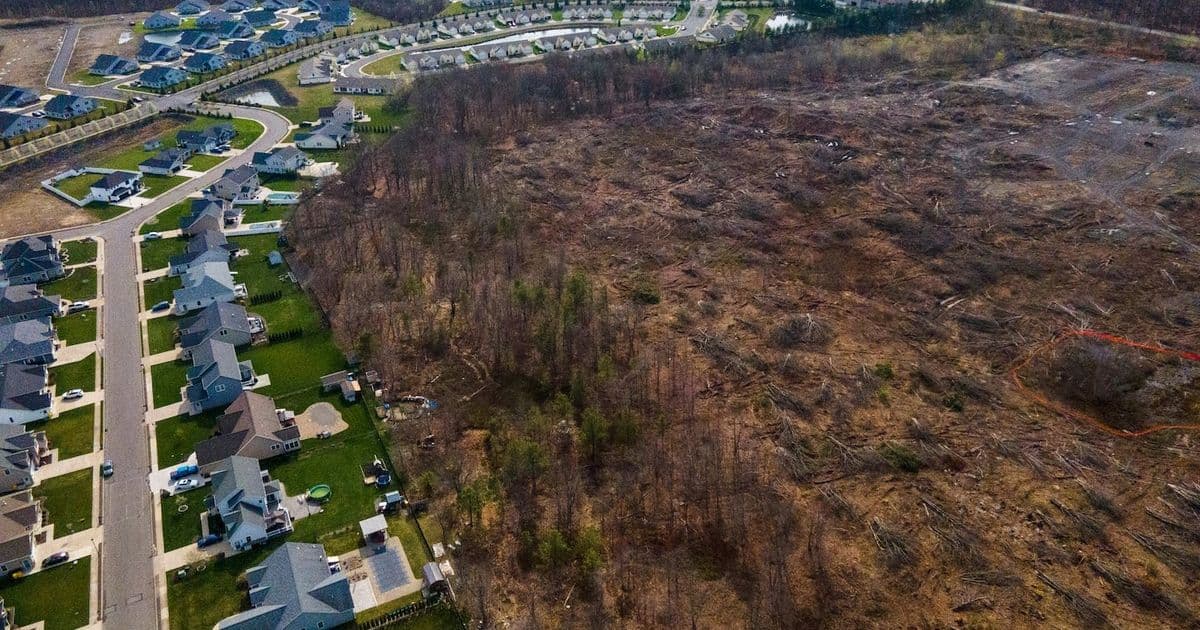
In Archbald, Pennsylvania—a town of approximately 7,000 residents—locals are mounting opposition to six proposed data center campuses that would collectively cover 14% of the municipality's land. The pushback highlights growing tensions between rural communities and the rapid expansion of AI-driven infrastructure, with residents citing concerns over water consumption, energy grid strain, and irreversible changes to the town's landscape and quality of life.
Developers have proposed constructing six large-scale data center campuses in Archbald, Pennsylvania, a former coal-mining town nestled in the Lackawanna Valley. If built as planned, these facilities would occupy roughly 1.4 square miles of the town's approximately 10-square-mile footprint—a significant land use shift for a community where the largest employer remains the local school district.
Residents have formed the group "Archbald Citizens for Responsible Development" to scrutinize the proposals, which they argue were presented with minimal public consultation. Key concerns center on resource demands: data centers require immense volumes of water for cooling systems (estimates for similar facilities range from 1-5 million gallons daily per campus) and substantial electrical capacity. In a region already experiencing periodic water stress and served by an aging grid infrastructure, locals fear the projects could strain municipal resources or trigger rate hikes for existing residents.
The opposition also questions the promised economic benefits. While developers project hundreds of construction jobs and long-term technical positions, residents note that data center operational staffing is typically lean—often fewer than 50 permanent employees per large campus—and that tax incentive packages offered to attract such projects frequently diminish net municipal revenue over time. Archbald's median household income ($52,000, below the state average) heightens sensitivity to proposals that might prioritize corporate tax abatements over community investment.
This local dispute mirrors broader patterns emerging as AI infrastructure booms nationwide. From Virginia's "Data Center Alley" to growing clusters in Ohio and Georgia, rural and suburban communities are grappling with the concentrated environmental and social impacts of facilities that underpin cloud computing and AI training but often operate with limited local hiring. Unlike manufacturing or logistics hubs, data centers generate minimal truck traffic or visible economic activity beyond their perimeter fences, yet their utility demands can rival those of small cities.
Critically, the Archbald case underscores a siting dilemma: while developers seek affordable land and power access—factors drawing them to post-industrial Pennsylvania towns—the very characteristics that make these locations attractive (available space, proximity to transmission lines) often coincide with communities least equipped to negotiate favorable terms or absorb infrastructure impacts. Without stronger state-level frameworks for evaluating large-scale tech projects' cumulative effects, towns like Archbald may face binary choices between accepting potentially disruptive development or watching economic opportunities shift elsewhere.
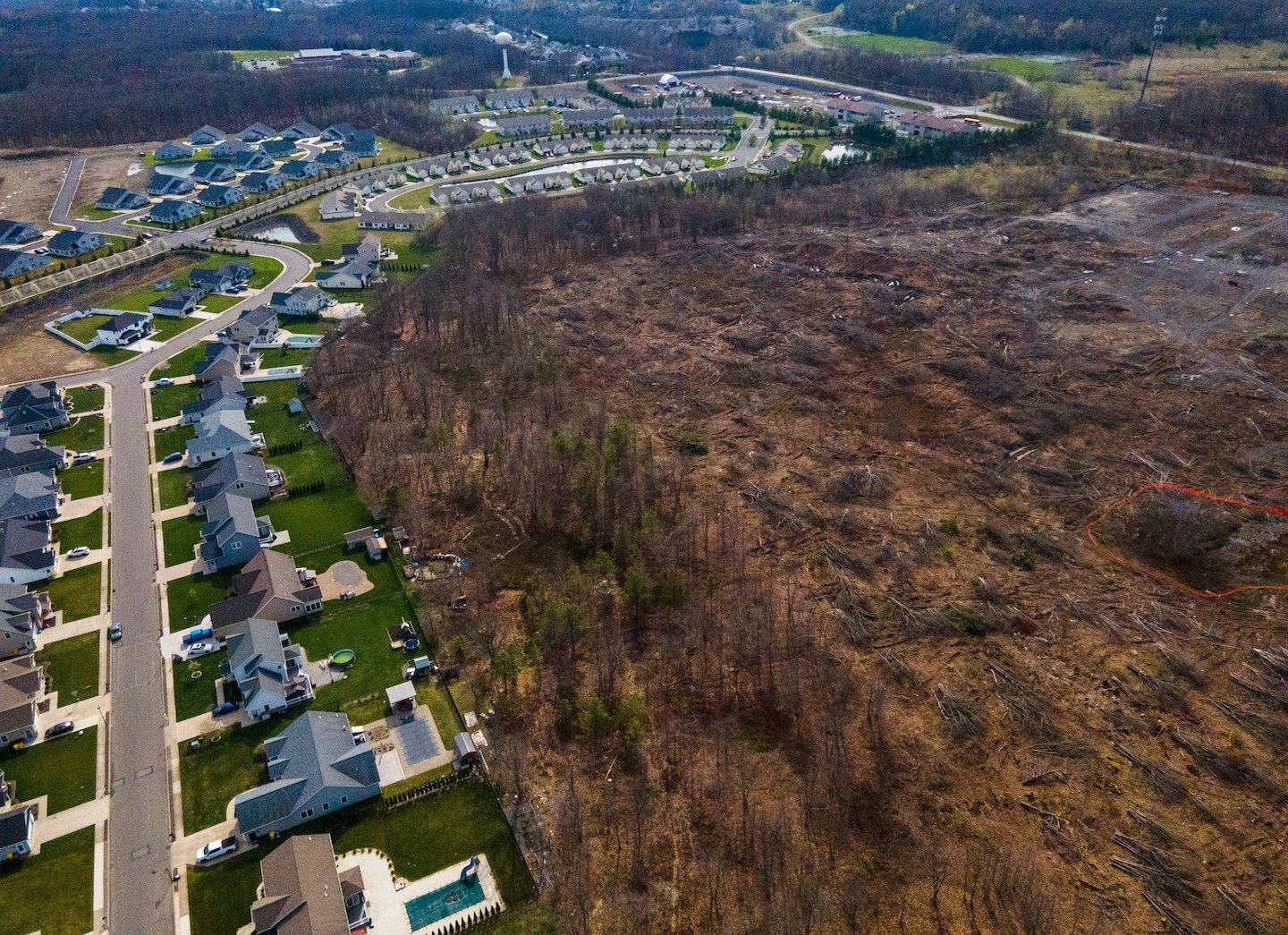
Comments
Please log in or register to join the discussion