
Kaspersky researchers analyze Arkanix Stealer, an information-stealing malware developed with suspected LLM assistance that vanished after two months, highlighting evolving threats from AI-accelerated cybercrime.

The sudden appearance and rapid disappearance of Arkanix Stealer—an information-stealing malware promoted across dark web forums in late 2025—represents a new frontier in cybercrime experimentation. According to researchers at Kaspersky, this operation likely leveraged large language models (LLMs) to drastically accelerate development before vanishing without warning just two months after launch. The project featured a full-fledged customer ecosystem, including a Discord support channel and referral program, yet abruptly collapsed, leaving cybersecurity experts analyzing its implications for AI-powered threats.
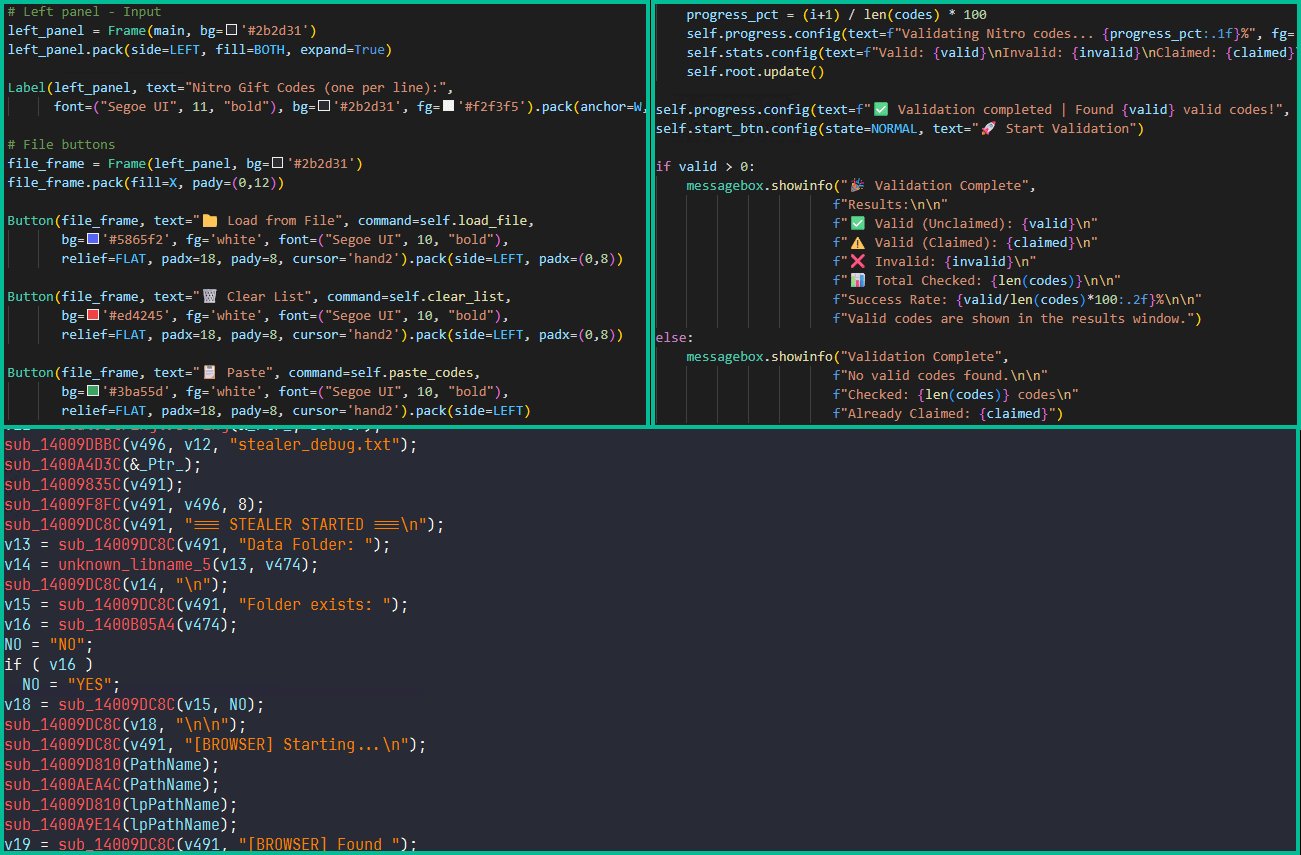 Signs of LLM traces in coding (Source: Kaspersky)
Kaspersky's analysis reveals compelling evidence of LLM involvement in Arkanix's creation. Code patterns and structural anomalies suggest AI-assisted development, which significantly reduced both time and financial investment required to build the malware. "This approach might have compressed development cycles from months to weeks," the report notes, highlighting telltale signs like inconsistent coding styles and illogical function sequences atypical of human developers. The stealer offered tiered functionality: a Python-based version targeting browser data, cryptocurrency wallets, and Discord credentials, and a premium C++ variant shielded by VMProtect with expanded capabilities including RDP theft and anti-analysis defenses.
Technical Capabilities and Targets
Arkanix demonstrated sophisticated data-harvesting techniques:
- Browser Exploitation: Stole history, cookies, passwords, and OAuth2 tokens from 22 browsers
- Crypto Targeting: Extracted data from wallets including MetaMask, Trust Wallet, and Coinbase
- Application Focus: Compromised VPN credentials (Mullvad, NordVPN), Telegram sessions, and gaming platforms (Epic Games, Steam)
- Post-Exploitation Tools: Deployed ChromElevator to bypass Google's App-Bound Encryption for credential theft
Premium users received modular add-ons like a screenshot capturer, FileZilla stealer, and HVNC (Hidden Virtual Network Computing) for remote access. The malware also weaponized Discord's API to spread malicious messages through victims' contacts.
Practical Implications and Defense Strategies
This short-lived experiment underscores three critical trends:
- AI Democratizes Malware Development: Low-skilled threat actors can now rapidly prototype sophisticated tools using LLMs.
- Ephemeral Threats Increase Detection Challenges: Operations designed for quick profit vanish before defenses fully adapt.
- Supply Chain Risks Expand: The Discord-based support system enabled crowdsourced feature requests and testing.
 Security teams should prioritize IoC monitoring (Image: Wiz)
Actionable Recommendations
- Endpoint Protection: Deploy solutions with behavioral analysis to detect novel stealers lacking signature-based profiles. Tools like Kaspersky Endpoint Security offer heuristic detection for such threats.
- Credential Hygiene: Use hardware security keys or authenticator apps for 2FA instead of SMS. Password managers with breach monitoring (e.g., Bitwarden, 1Password) mitigate credential reuse risks.
- Network Monitoring: Scrutinize outbound traffic to known malicious IPs in Kaspersky's published Indicators of Compromise. Block communication with domains like
arkanix[.]top. - Browser Hardening: Disable unused browser extensions and enable site isolation in Chromium-based browsers to limit credential extraction.
Kaspersky assesses Arkanix as "more public software product than shady stealer," suggesting its primary purpose was testing AI's role in malware innovation. This experiment demonstrates that defending against AI-augmented threats requires shifting from reactive detection to proactive hardening of authentication systems and user environments. As cybercriminals iterate rapidly with LLMs, continuous compromise monitoring and credential segmentation become non-negotiable defenses.
Comments
Please log in or register to join the discussion