Despite the pedigree of Jony Ive and Sam Altman, the upcoming iO AI device faces fundamental questions about its form factor and purpose in a world dominated by smartphones.
The tech world is buzzing with speculation about Jony Ive and Sam Altman's mysterious iO AI hardware project, but the latest rumors only deepen the confusion. A Weibo blogger recently claimed the device will consist of "two pill-shaped gadgets that rest behind the ear," positioning it as an AirPods replacement. This report directly contradicts earlier statements from the OpenAI CEO, who previously specified that iO is not a pair of glasses, and both have emphasized it's not a phone. The persistent mystery around its form factor—now potentially shifting from a pen-like device to ear-worn hardware—highlights the fundamental challenge facing AI hardware in 2026.

The Persistent Form Factor Puzzle
When Jony Ive and Sam Altman first teased their collaboration in May 2024, they promised "a completely new concept in AI hardware" but provided almost no concrete details. The only clues we've gathered are negative definitions: it's not glasses, not a phone, not a badge, smartwatch, ring, or earbuds. The most plausible theory that emerged was a smart pen—something people already carry, making the addition of AI hardware less intrusive. The recent ear-pill rumor, however, suggests OpenAI might be targeting a completely different use case: replacing audio devices rather than augmenting writing tools.
This contradiction matters because the form factor determines everything about how we'll interact with the device. A pen implies tactile, deliberate interactions—writing, tapping, perhaps voice commands. Ear-worn devices suggest constant audio input and output, potentially more passive and always-listening. The privacy implications alone differ dramatically between these two approaches.
The Smartphone Problem
My skepticism about AI hardware doesn't stem from doubting Jony Ive's design genius or Sam Altman's AI vision. It comes from a simple observation: we already carry the most versatile computing device ever created. The Humane AI Pin and Rabbit R1 failed not because they were poorly designed, but because they solved problems that smartphones already address.
Consider the iPod analogy I've used before. The iPod was revolutionary when it launched because it solved a real problem: carrying your music collection. But once smartphones could stream virtually any song on demand, carrying a dedicated music player became redundant. The same logic applies to AI hardware. If your phone can run ChatGPT, Perplexity, or any other AI assistant, why add another device?
The iO team's challenge is identifying a use case so compelling that it justifies carrying an additional piece of hardware. "Always-on" AI is often cited as the advantage, but this creates immediate privacy concerns. A device that's constantly listening or watching raises questions about data collection, especially when the company behind it is OpenAI, which has different privacy priorities than Apple.
The Privacy Trade-off
In yesterday's piece about the alleged Apple pin, I discussed the enormous privacy implications of always-on AI devices. This isn't just theoretical—these devices would need constant access to microphones, cameras, or sensors to fulfill their "always-on" promise. Even if the processing happens locally, the data collection alone represents a significant shift from how we currently use technology.
OpenAI's approach to privacy differs from Apple's, but that doesn't eliminate the concerns. Users must decide whether the convenience of an always-available AI assistant outweighs the potential for constant data collection. For many, the answer will be no—especially when that same AI assistant can run on the phone already in their pocket.
The Aesthetic Question
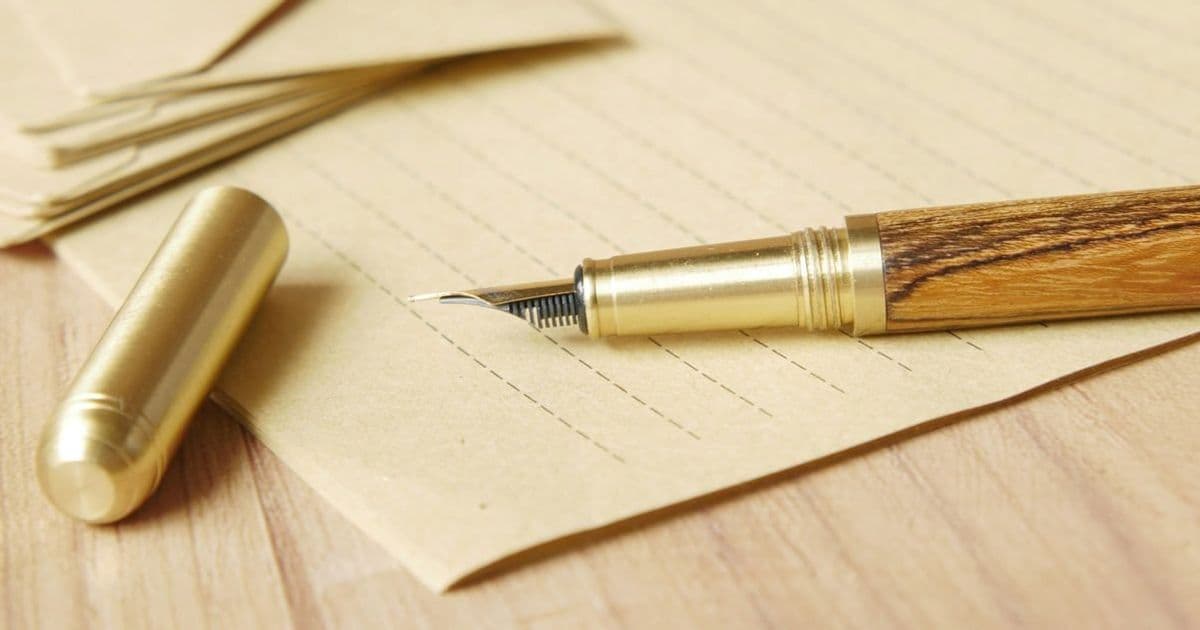
There's no denying that Jony Ive's design work creates desire. The stock photo of a beautiful fountain pen at the top of this article evokes a certain aesthetic appeal, even if we haven't handwritten anything beyond a signature in years. The reMarkable Paper Pro, despite its limited use case, inspires longing for its tactile writing experience.
If the iO device is beautiful enough, it might create its own market through sheer desirability. Apple has proven this repeatedly—people buy products they don't strictly need because of how they look and feel. But design alone rarely sustains a product category. The iPod succeeded because it solved a real problem with elegance; the Apple Watch succeeded because it integrated health and notification features that complemented the iPhone.
What Would Make iO Succeed?
For iO to overcome my skepticism, it would need to identify a use case where:
The smartphone is genuinely inadequate - Perhaps through form factor (hands-free scenarios), sensor capabilities (beyond what phones offer), or integration with specific professional workflows.
The privacy trade-off is clear and acceptable - Users must understand what data is collected and why, with meaningful controls.
The value proposition is immediate - Not "this will be useful someday," but "this solves a problem I have right now."
It complements rather than replaces - Working alongside the smartphone ecosystem rather than trying to be a standalone device.
The pen form factor, if that's what they pursue, has some advantages here. It's a tool that already exists in many professional contexts. Adding AI could transform note-taking, document signing, or creative work. But even then, the question remains: why not just use an app?
The Ecosystem Lock-in Consideration
One potential angle for iO's success is deep integration with specific ecosystems. If the device works seamlessly with OpenAI's services, or if it creates new workflows that aren't possible on smartphones, it could carve out a niche. However, this creates its own problem: ecosystem lock-in. Users might hesitate to invest in hardware that only works well with one company's services, especially when smartphones offer multi-platform flexibility.
Apple has mastered ecosystem integration, but even they haven't created a successful standalone AI hardware device. The Apple Watch succeeded because it extended the iPhone's capabilities, not because it tried to replace it. iO would need to find a similar complementary role.
The Reality Check
Despite my skepticism, I acknowledge that betting against Jony Ive and Sam Altman is risky. Their track records suggest they understand hardware and AI at a level few others do. If anyone can create a compelling AI hardware device, it's this combination of design genius and AI expertise.
Yet the fundamental challenge remains: smartphones have become so capable that they've absorbed countless device categories. Cameras, music players, GPS units, calculators, flashlights—all have been integrated into the phone. The question isn't whether AI hardware can be built, but whether it should be.
The iO device, whatever its final form, will face this reality. It must be more than just beautiful. It must solve a problem that the smartphone in our pocket cannot—or at least cannot solve as elegantly. Until we see concrete evidence of that unique value proposition, my skepticism remains cautious but firm.
What do you think? Could Jony Ive and Sam Altman create an AI device that justifies carrying yet another piece of hardware, or will this join the Humane AI Pin and Rabbit R1 in the graveyard of failed AI hardware attempts?
Comments
Please log in or register to join the discussion