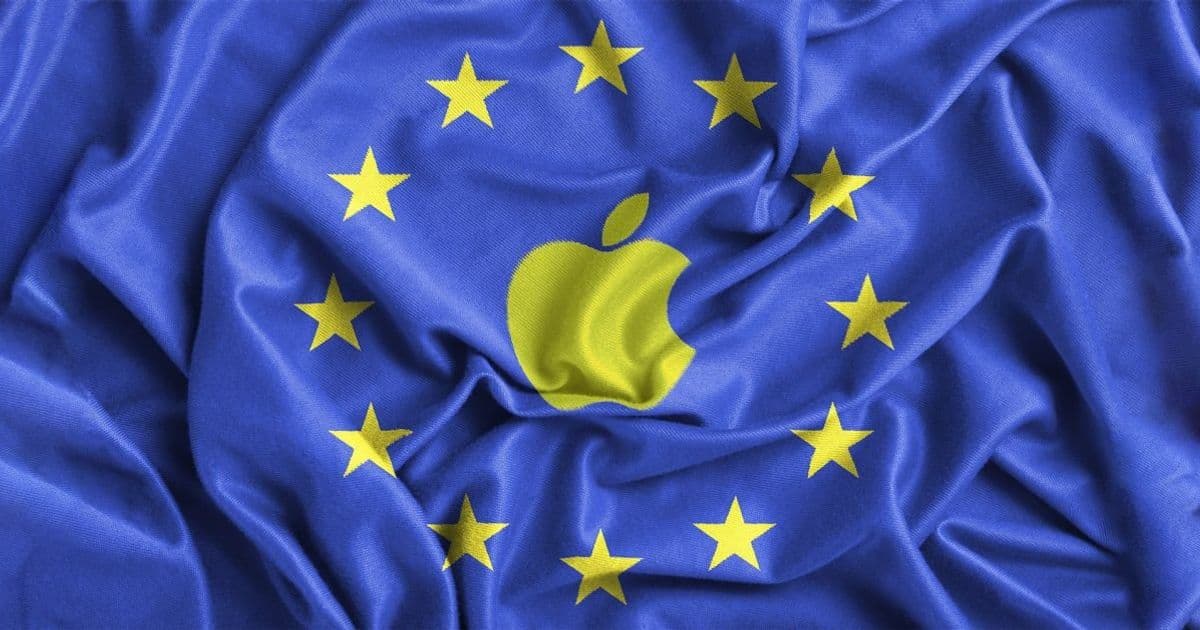
The European Commission is preparing to criticize Apple's compliance with the Digital Markets Act following the shutdown of Setapp Mobile, but Apple is pushing back, blaming the EU for delaying the very changes it requested.
The Setapp Mobile Shutdown and the DMA Compliance Battle

The Digital Markets Act (DMA) was designed to break open the walled gardens of Big Tech, but the latest chapter in its enforcement reads more like a corporate standoff than a regulatory victory. Last week, MacPaw announced it would shut down Setapp Mobile, its alternative iOS marketplace available only in the European Union. The company cited "still-evolving and complex business terms that don’t fit Setapp’s current business model" as the reason for the sunset, scheduled for February 16, 2026.
This shutdown has reignited the debate over whether Apple’s compliance with the DMA is genuine or merely performative. For months, Apple has been under pressure to open its platform to third-party app stores and alternative payment systems. The company has proposed changes, including a new pricing structure for developers who distribute outside the App Store. However, the Setapp Mobile closure suggests that these changes, even if implemented, may not be sufficient to foster a competitive ecosystem.
The Commission’s Position: Apple Hasn’t Done Enough
According to a Bloomberg report, the European Commission is preparing to state that "Apple has not rolled out changes to address the key issues concerning its business terms, including their complexity." The Commission’s stance is that Apple’s proposed modifications are still too convoluted and restrictive, failing to meet the spirit of the DMA, which aims to create a level playing field for app developers and distributors.
The Commission’s criticism is not new. Since the DMA’s enforcement began in March 2024, regulators have been scrutinizing Apple’s compliance plan. The core issue is whether Apple’s new terms—such as the Core Technology Fee, which charges developers for each install after a certain threshold—are truly enabling competition or merely creating a new form of gatekeeping. For small developers and alternative marketplaces like Setapp, these fees and the associated administrative burdens can be prohibitive.
Apple’s Counterattack: Blaming the EU for Delay
Apple has fired back with a statement that shifts the blame squarely onto the European Commission. "The European Commission has refused to let us implement the very changes that they requested," Apple said. "In October, we submitted a formal compliance plan and they have yet to respond. The EC is using political delay tactics to mislead the public, move the goal posts, and unfairly target an American company with burdensome investigations and onerous fines."
This is a significant escalation. Apple is essentially arguing that the EU’s inaction is the primary reason for the lack of progress, and therefore, the fallout from Setapp Mobile’s shutdown should not be laid at its feet. The company also disputes the narrative that there is substantial demand for alternative app stores in the EU, claiming that "there is no demand in the EU for alternative App Stores and disputed that Setapp is shutting because of its actions."
The Technical and Business Realities for Developers
From a developer’s perspective, the situation is frustratingly opaque. The DMA requires Apple to allow third-party app stores, but the company has set specific requirements for these stores, including a €1 million credit to Apple and compliance with Apple’s notarization process. Additionally, the Core Technology Fee applies to all apps distributed outside the App Store, with a fee of €0.50 per install after the first 1 million annual installs.
For a service like Setapp, which operates on a subscription model, these costs add up quickly. If a user installs an app from Setapp, the marketplace pays the Core Technology Fee. If that user later updates the app, additional fees may apply. The complexity of calculating these fees, combined with the administrative overhead of managing payments and compliance, makes it difficult for alternative marketplaces to compete with the App Store’s streamlined system.
Moreover, Apple’s notarization process, while intended to ensure security and privacy, can be a bottleneck. Developers must submit their apps for review, which can take time and may not align with the rapid iteration cycles of some software. For a subscription service like Setapp, which offers access to a suite of apps, the process of getting each app notarized and updated can be a logistical nightmare.
The Broader Implications for Cross-Platform Development
The Setapp Mobile shutdown highlights a critical challenge for cross-platform developers. Tools like React Native, Flutter, and Xamarin have made it easier to build apps that run on both iOS and Android, but the business models and distribution strategies differ significantly. On Android, alternative app stores have been available for years, and developers can distribute apps directly from their websites using Android App Bundles. On iOS, the DMA has opened the door, but Apple’s implementation has been criticized for being overly restrictive.
For developers considering a cross-platform strategy, the European market is now a complex puzzle. Should they build for iOS and distribute through the App Store, accepting Apple’s fees and rules? Or should they invest in alternative distribution, knowing that the regulatory environment is still in flux and the costs may outweigh the benefits? The answer depends on the specific business model, target audience, and risk tolerance.
What Comes Next?
The European Commission is expected to issue its formal response to Apple’s compliance plan in the coming weeks. If the Commission determines that Apple’s changes are insufficient, it could impose fines of up to 10% of the company’s global annual revenue. For Apple, that could mean billions of dollars in penalties. More importantly, it could force Apple to make more substantial changes to its App Store policies, potentially lowering the barriers for alternative marketplaces.
However, Apple’s aggressive stance suggests it is prepared to fight. The company has deep pockets and a history of challenging regulators in court. The outcome of this dispute will likely set a precedent for how the DMA is enforced in the future and could influence similar regulations in other regions, such as the United States.
For now, developers and users in the EU are left in a state of uncertainty. The promise of a more open iOS ecosystem remains just that—a promise. Until the regulatory and business terms are clarified, alternative app stores will struggle to gain traction, and the App Store will remain the dominant distribution channel.
Conclusion
The shutdown of Setapp Mobile is more than just the end of a service; it’s a symptom of the ongoing struggle between regulators and tech giants. Apple’s compliance with the DMA is under scrutiny, and the company’s response has been to blame the European Commission for delays and political maneuvering. Whether this is a legitimate grievance or a strategic deflection is unclear, but one thing is certain: the battle for control of the iOS ecosystem is far from over.
Developers watching from the sidelines should pay close attention to the outcome. The decisions made in Brussels will have ripple effects across the global mobile development landscape. For now, the best course of action is to stay informed, evaluate the risks and opportunities, and be prepared to adapt as the situation evolves.
For more details on the DMA and Apple’s compliance, you can read the European Commission’s official page on the Digital Markets Act and Apple’s latest statement on the matter.
Comments
Please log in or register to join the discussion