Trump administration proposes sweeping export controls requiring foreign buyers of 200,000+ AI chips to invest in U.S. data centers, potentially reshaping global semiconductor supply chains and forcing cloud providers to commit to American infrastructure.
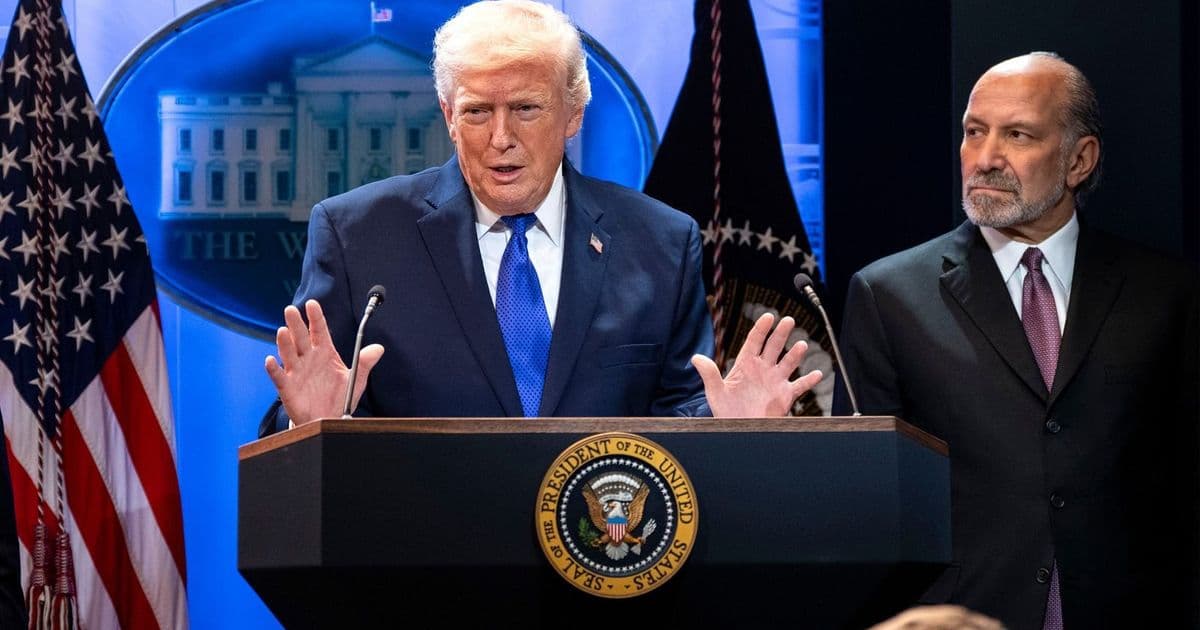
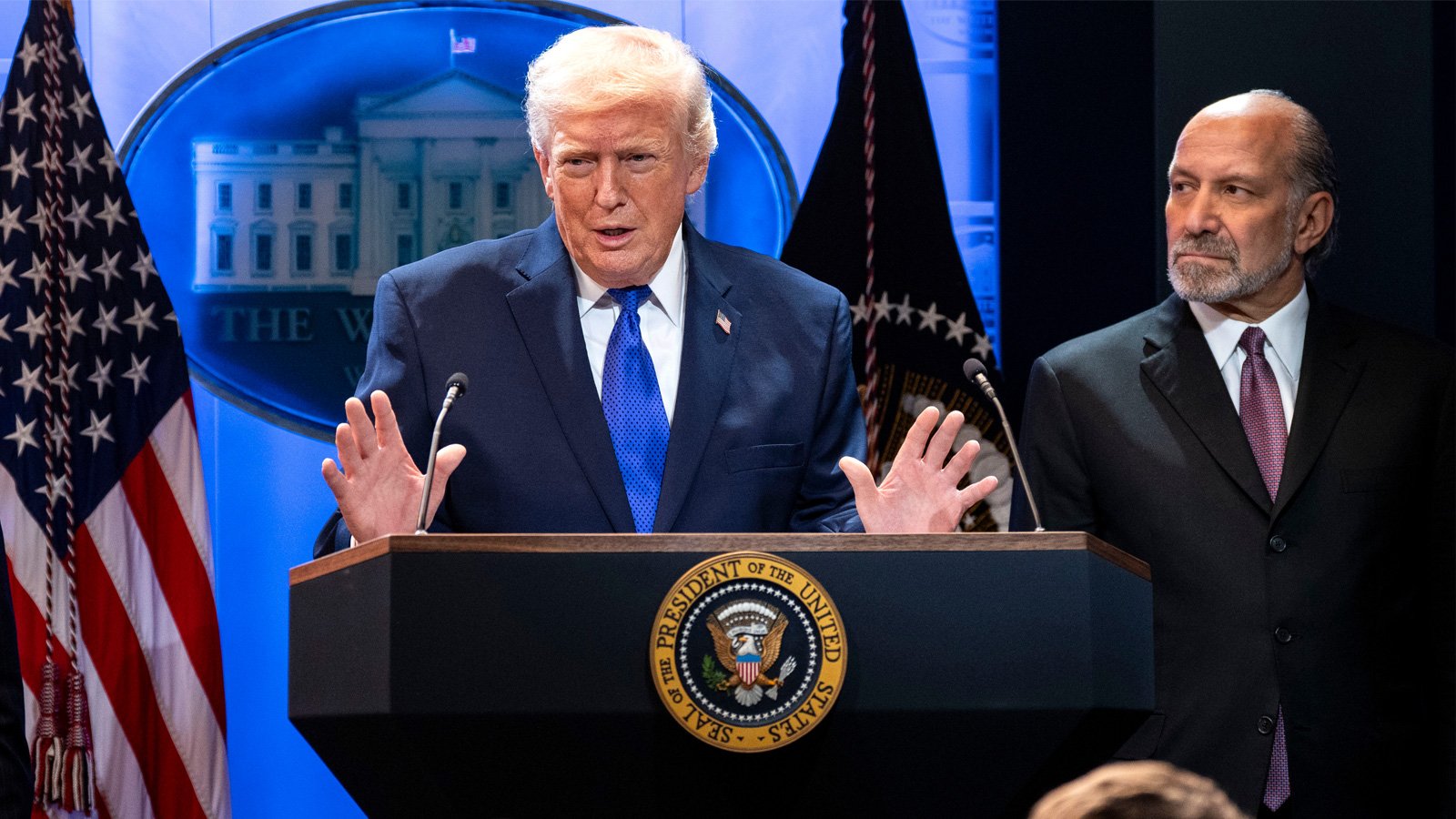
President Donald Trump and Commerce Secretary Howard Lutnick, who are considering new export controls for high-end AI chips. (Image credit: Bloomberg via Getty Images)
The Trump administration is preparing to implement a seismic shift in global semiconductor trade policy that could fundamentally alter how cloud service providers (CSPs) and data center operators source AI accelerators. Under proposed rules being considered by the Department of Commerce, countries seeking to purchase more than 200,000 cutting-edge AI chips—such as Nvidia's GB300 NVL72 superclusters—would be required to make direct investments in U.S. AI data center infrastructure.
This represents the first major attempt by President Trump to replace the AI diffusion rules instituted by the Biden Administration, which were subsequently rescinded following the 2024 election. While the administration insists this new framework is distinct from its predecessor, the parallels are striking—with one crucial difference: the new rules appear even more restrictive for America's traditional allies.
Breaking Down the New Export Framework
The proposed system creates a tiered approach to chip exports, though it doesn't explicitly use tier designations:
- Small orders (1,000 chips or less): Simplified export process with limited exemptions
- Medium orders (1,000-200,000 chips): Require pre-approval from the Department of Commerce and export licenses, plus operational transparency
- Large orders (200,000+ chips): Mandate direct investment in American AI data centers, on-site inspections, and national security assurances
This framework immediately impacts major cloud providers including Amazon's AWS, Microsoft Azure, Oracle, and OpenAI, which collectively represent the largest purchasers of high-end AI accelerators globally.
The UAE Precedent: A Template for Global Policy
The administration has already tested elements of this approach in a recent deal between Nvidia, Cerebras, and the United Arab Emirates. Under that agreement, the Middle Eastern nation was required to invest one dollar in U.S. infrastructure for every dollar spent on domestic AI development—effectively doubling the cost of the hardware while securing direct American investment.
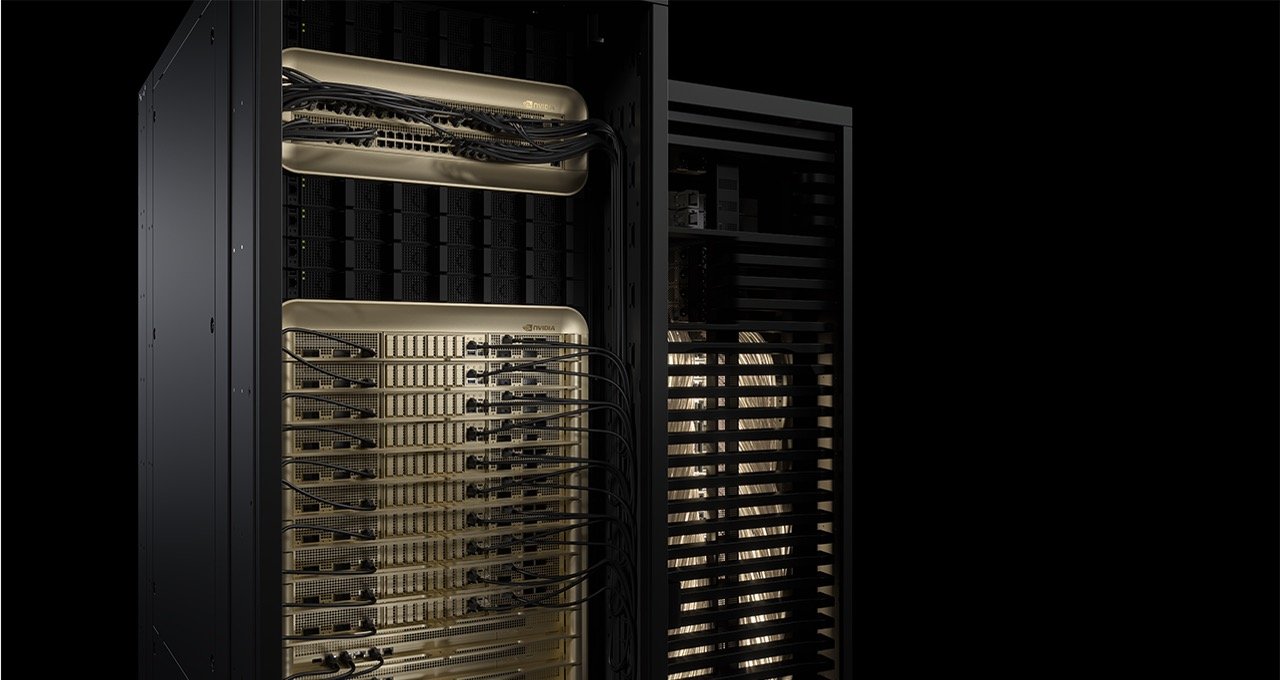
GB300 NVL72 superclusters such as this one are high in demand. (Image credit: Microsoft / Nvidia)
Reshoring Narrative Meets Export Control Reality
American reshoring efforts in manufacturing and deployment have dominated the technology narrative throughout 2025, with numerous chipmakers and CSPs expanding or building new facilities across the United States. The administration frames these export controls as necessary to protect American technological advantages and ensure domestic infrastructure development keeps pace with global demand.
However, the policy creates a paradox: while ostensibly designed to protect American interests, it places significant burdens on the very allies who have historically supported U.S. technology leadership. The Commerce Department criticized Biden's AI diffusion rules as "burdensome, overreaching, and disastrous," yet the new framework appears to impose even greater restrictions on allied nations.
Market Implications for Cloud Providers
The export rules create immediate strategic challenges for CSPs operating globally. Companies must now choose between:
- Committing to American infrastructure at scale, potentially locking them into specific geographic regions and regulatory frameworks
- Limiting their AI deployment capabilities in certain markets, ceding ground to competitors with different regulatory relationships
- Seeking alternative hardware solutions, though Nvidia's dominance in AI training workloads makes this particularly challenging
Nvidia's GV200 NVL72 compute tray represents the current gold standard for AI training, and with no clear alternative to CUDA ecosystem dominance, companies face limited options for frontier AI model development.
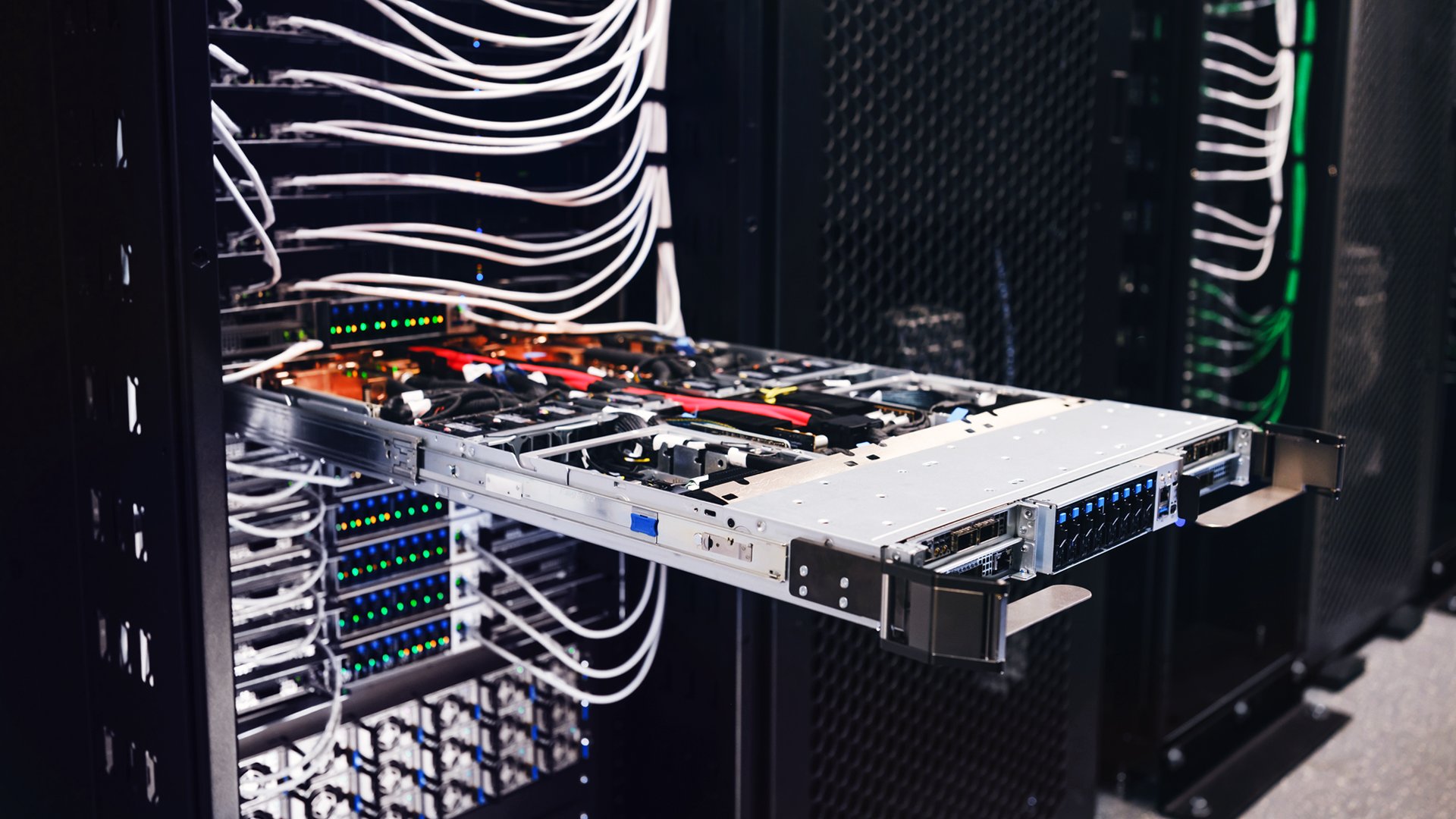
Nvidia's GV200 NVL72 compute tray. (Image credit: Nvidia)
The Dependency Paradox
Perhaps most ironically, the export control strategy may ultimately undermine the very dependency it seeks to create. By making access to cutting-edge AI hardware contingent on political and economic concessions, the administration risks incentivizing countries to develop alternative ecosystems.
Countries facing prohibitive costs or complex approval processes have strong incentives to:
- Invest in domestic AI hardware development
- Support alternative software frameworks that reduce dependency on CUDA
- Explore partnerships with non-U.S. technology providers
- Develop smuggling networks to circumvent export controls
China, Russia, Iran, and North Korea remain completely banned from importing the latest American-made chips, but even allied nations may find the new requirements too onerous to justify continued dependency on U.S. technology.
The Road Ahead
While the finer details of the framework remain subject to change, the direction is clear: the United States is leveraging its technological leadership to reshape global AI infrastructure development. For cloud providers and data center operators, this means committing to "buying American" now requires committing to "building American" as well.
This policy shift represents more than just trade regulation—it's a fundamental restructuring of how AI capabilities will be distributed globally. Companies that fail to adapt their infrastructure strategies accordingly may find themselves locked out of critical markets or unable to compete in the race for AI supremacy.
The question remains whether this aggressive approach will secure American technological dominance or accelerate the very diversification it seeks to prevent. For now, however, the message to global CSPs is unmistakable: if you want to deploy cutting-edge AI at scale, you'll need to do it on American soil.
Comments
Please log in or register to join the discussion