
Asus has unexpectedly launched its ROG Swift OLED PG32UCDM3 gaming monitor in China ahead of the previously announced Q1 2026 release window, featuring a 32-inch 4K 240Hz QD-OLED panel with DisplayPort 2.1 connectivity.
Asus has surprised the gaming monitor market by releasing its highly anticipated ROG Swift OLED PG32UCDM3 in China ahead of schedule, potentially signaling an earlier-than-expected global launch for this premium gaming display.
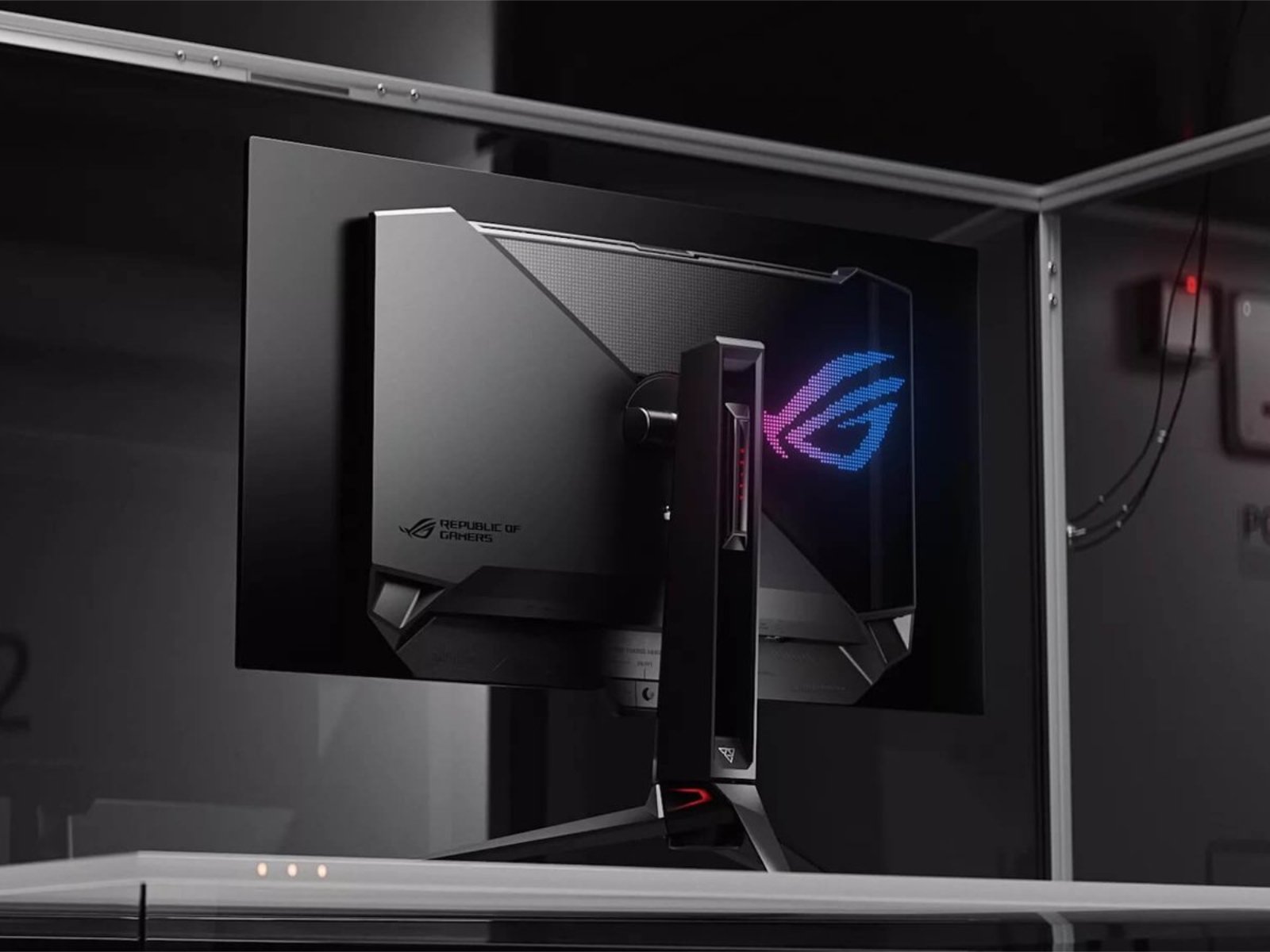
The ROG Swift OLED PG32UCDM3, also referred to as the PG32UCDM Gen3, first appeared in December 2025 before making its official debut at CES 2026 in Las Vegas. Initially, Asus indicated the monitor would arrive "towards the end of Q1" 2026, but the company has now quietly launched the display in China nearly a month ahead of that timeline.
Technical Specifications and Features
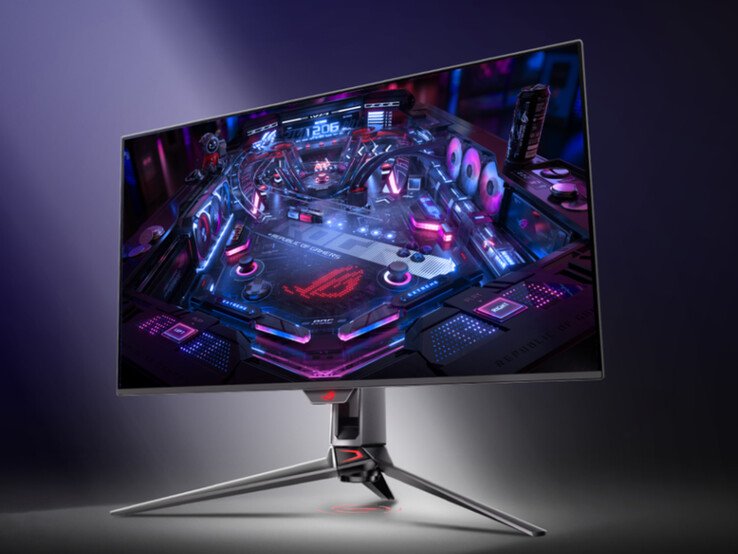
The PG32UCDM3 boasts a 32-inch 4K (3840 x 2160) QD-OLED panel capable of 240Hz refresh rates, positioning it as a high-end option for competitive gamers and content creators alike. The monitor achieves up to 1,000 nits peak brightness in HDR mode while maintaining VESA TrueBlack 500 certification, ensuring deep blacks and excellent contrast ratios that OLED technology is known for.
A notable upgrade over its predecessor is the inclusion of BlackShield technology - a semi-glossy film that Asus claims provides greater image clarity compared to the standard glossy coating found on the PG32UCDM and PG32UCDMR models. This could be particularly beneficial for users in brightly lit environments or those sensitive to reflections.
Connectivity and Port Selection
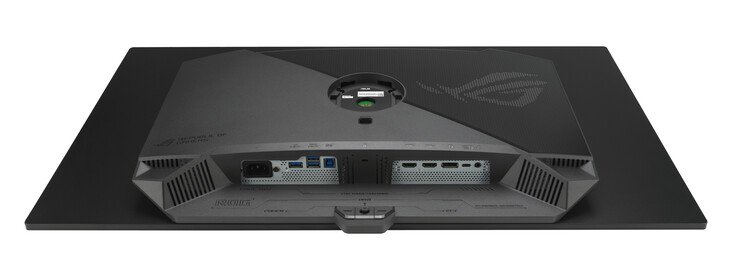
The monitor offers comprehensive connectivity options including:
- DisplayPort 2.1 with UHBR20 (Ultra High Bit Rate 20) support for maximum bandwidth
- Dual HDMI 2.1 ports for multiple high-refresh-rate sources
- USB Type-C port with 90W power delivery for single-cable connectivity with compatible laptops
This connectivity suite ensures the PG32UCDM3 can handle multiple modern gaming consoles, high-end PCs, and mobile devices simultaneously.
Pricing and Market Positioning
In China, Asus has priced the PG32UCDM3 at CNY 8,499, which translates to approximately $1,225 USD. This represents a slight discount compared to the previously announced US price of $1,299, though regional pricing variations and potential taxes may affect the final cost for American consumers.
For context, the previous generation PG32UCDM currently retails for $1,199.99 on Amazon, making the Gen3 model a modest price increase for what appears to be incremental improvements rather than a complete overhaul.
Market Implications and Global Launch Expectations
The early release in China suggests Asus may be accelerating its global rollout strategy. The Chinese market often serves as a testing ground for new products before wider international distribution, and the company's decision to launch ahead of schedule could indicate strong production readiness or competitive pressure in the premium gaming monitor segment.
The PG32UCDM3 enters a competitive market where brands like Samsung, LG, and Alienware offer similar high-refresh-rate OLED monitors. Its combination of 4K resolution, 240Hz refresh rate, and advanced connectivity positions it as a premium option for enthusiasts willing to invest in cutting-edge display technology.
Asus has not yet confirmed specific dates for the global launch, but the Chinese release suggests interested buyers may not have to wait until the end of Q1 as originally indicated. Gaming monitor enthusiasts and competitive players should monitor official Asus channels for updates on regional availability and pricing.
The gaming monitor market continues to evolve rapidly, with manufacturers pushing the boundaries of refresh rates, resolution, and panel technology. The PG32UCDM3 represents Asus's latest effort to maintain its position in the premium segment, offering features that cater to both competitive gamers seeking high refresh rates and content creators requiring accurate color reproduction and high resolution.
For those considering an upgrade, the PG32UCDM3 offers compelling specifications, though potential buyers should weigh the benefits of OLED technology against concerns about burn-in and the premium price point compared to high-quality LCD alternatives.
Comments
Please log in or register to join the discussion