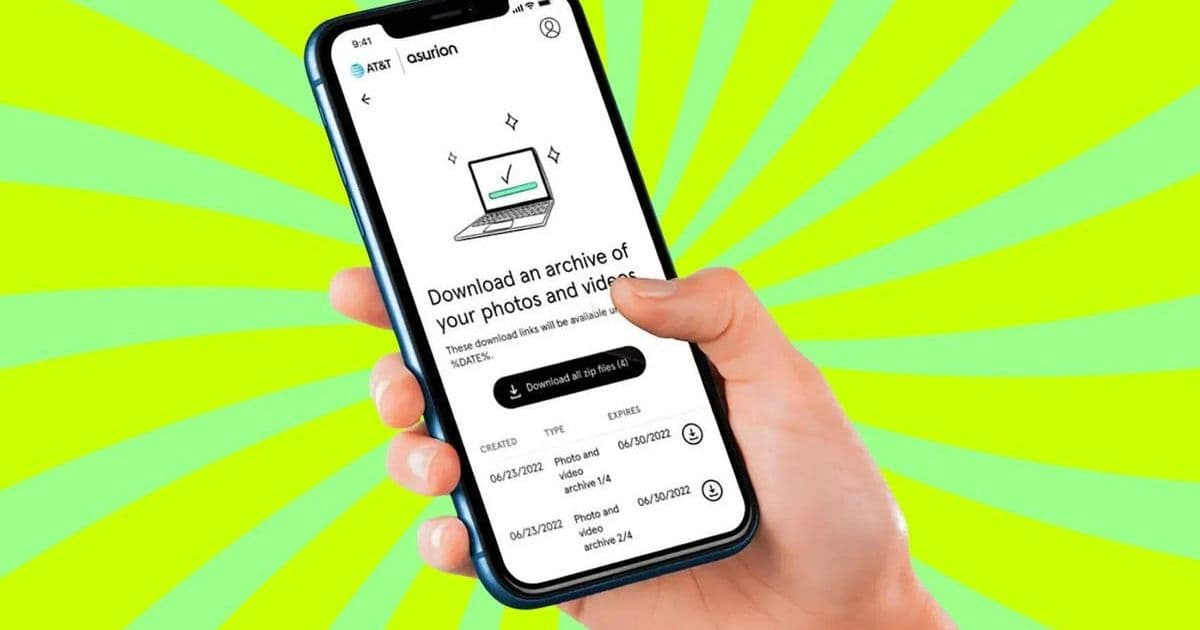

AT&T is permanently shutting down its Photo Storage service in 2025, forcing users to download their backed-up memories before deletion. This move highlights critical lessons in cloud dependency and data sovereignty for developers and tech-savvy users. We break down the retrieval steps and explore resilient alternatives.
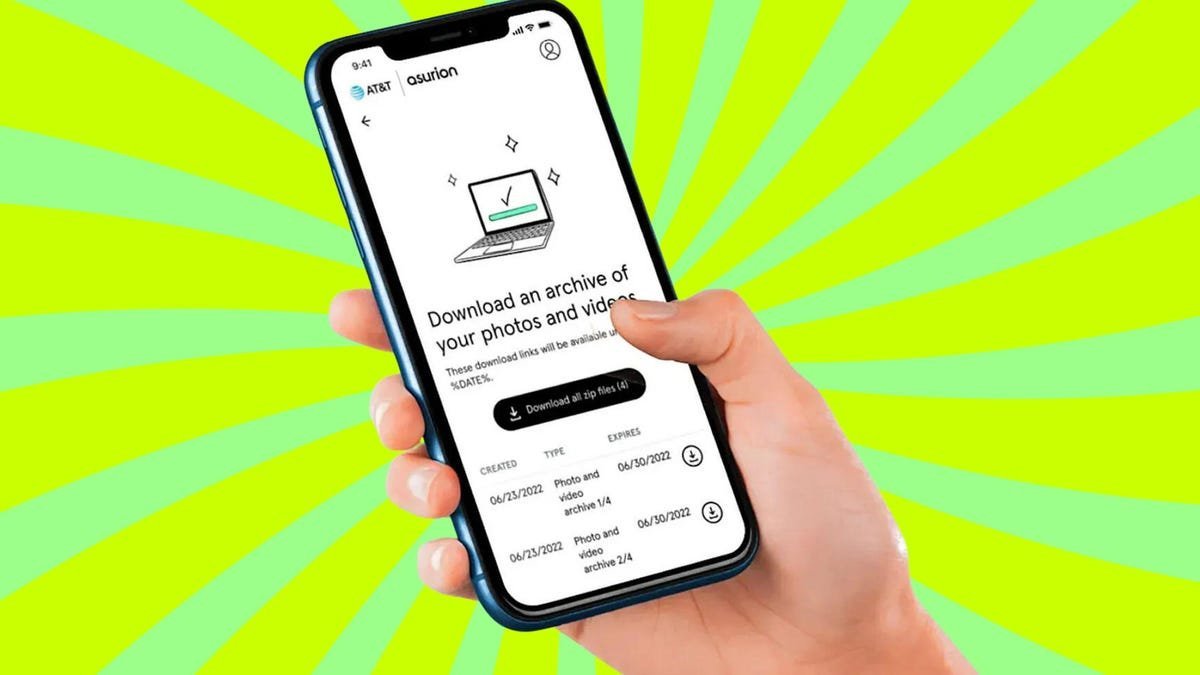
In a digital era where cloud storage feels eternal, AT&T's decision to sunset its Photo Storage service serves as a stark reminder: even tech giants can pull the plug on your data. Powered by Asurion, this once-free perk for AT&T subscribers allowed seamless photo and video backups at full resolution, complete with photography tips. But as of October 20, 2025, backups cease, the app vanishes from stores, and by February 1, 2026, all stored content will be erased permanently. For developers and IT professionals, this isn't just a consumer headache—it's a case study in cloud service volatility and the fragility of third-party dependencies.
The Countdown to Data Loss
AT&T's shutdown timeline is deliberate but unforgiving. After October 20, users can no longer upload new content, though existing files remain accessible until early 2026. This grace period is crucial; once the service disappears, recovering years of personal or professional imagery becomes impossible. The move likely stems from cost-cutting or strategic pivots, echoing broader industry trends where free storage offers evolve into paid models or vanish entirely. For engineers, it underscores a harsh truth: cloud services are ephemeral, and data sovereignty must never be outsourced blindly.
Step-by-Step: Salvaging Your Archive
Thankfully, AT&T provides a lifeline—but it demands swift action. Here’s how to secure your data:
- Sign in to the AT&T Photo Storage Web Gallery and review your backed-up content.
- Request your archive directly from the gallery interface. This triggers an email confirmation, with a second notification arriving within 48 hours once your files are bundled.
- Download via the email link, which expires quickly. Files are split into 5GB zip folders to manage size constraints—download each individually.
- Extract and verify using built-in OS tools (e.g., Windows Explorer or Mac Archive Utility), then migrate photos to a secure local or alternative cloud repository.
After confirming all data is safe, delete your AT&T account through the Web Gallery to wipe residual traces.
Why This Matters Beyond Personal Photos
For developers, AT&T's exit is a cautionary tale. It amplifies risks in supply chain dependencies—like when open-source libraries retire—and highlights why data portability standards are non-negotiable. Migrating to alternatives such as Google Photos, iCloud, or enterprise-grade solutions like OneDrive or Dropbox isn't just about convenience; it's about choosing platforms with transparent longevity and robust APIs. As cloud ecosystems consolidate, architects must prioritize interoperability and exit strategies in system designs.
This shutdown also reflects a market shift: free tiers are dwindling as providers push paid subscriptions. Yet for those who acted swiftly, lost memories become averted disasters. In tech, resilience isn't optional—it's coded into every backup plan.
Source: ZDNet
Comments
Please log in or register to join the discussion