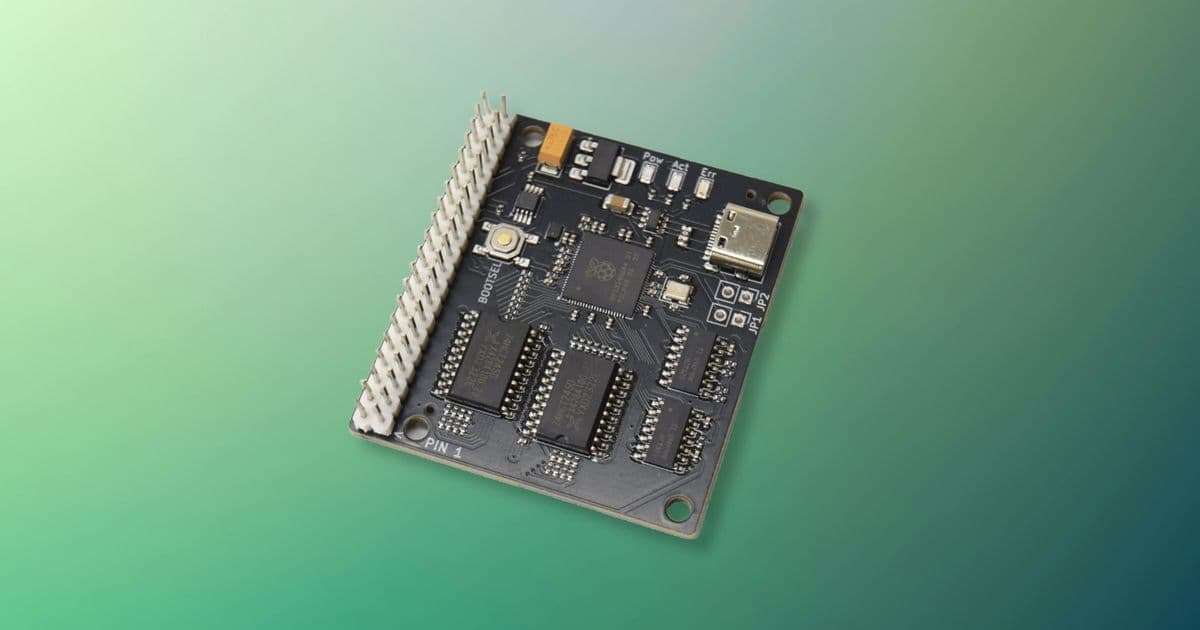
ATABoy uses Raspberry Pi RP2350 to connect legacy IDE drives to modern computers via USB, featuring an authentic Award BIOS interface for data recovery and retro computing.
For vintage computing enthusiasts and data recovery professionals, accessing data from older IDE (PATA) hard drives has long been a challenge. JJ Dasher from JJ's Messy Bench has created ATABoy, an open source IDE to USB interface that brings these legacy drives into the 21st century.
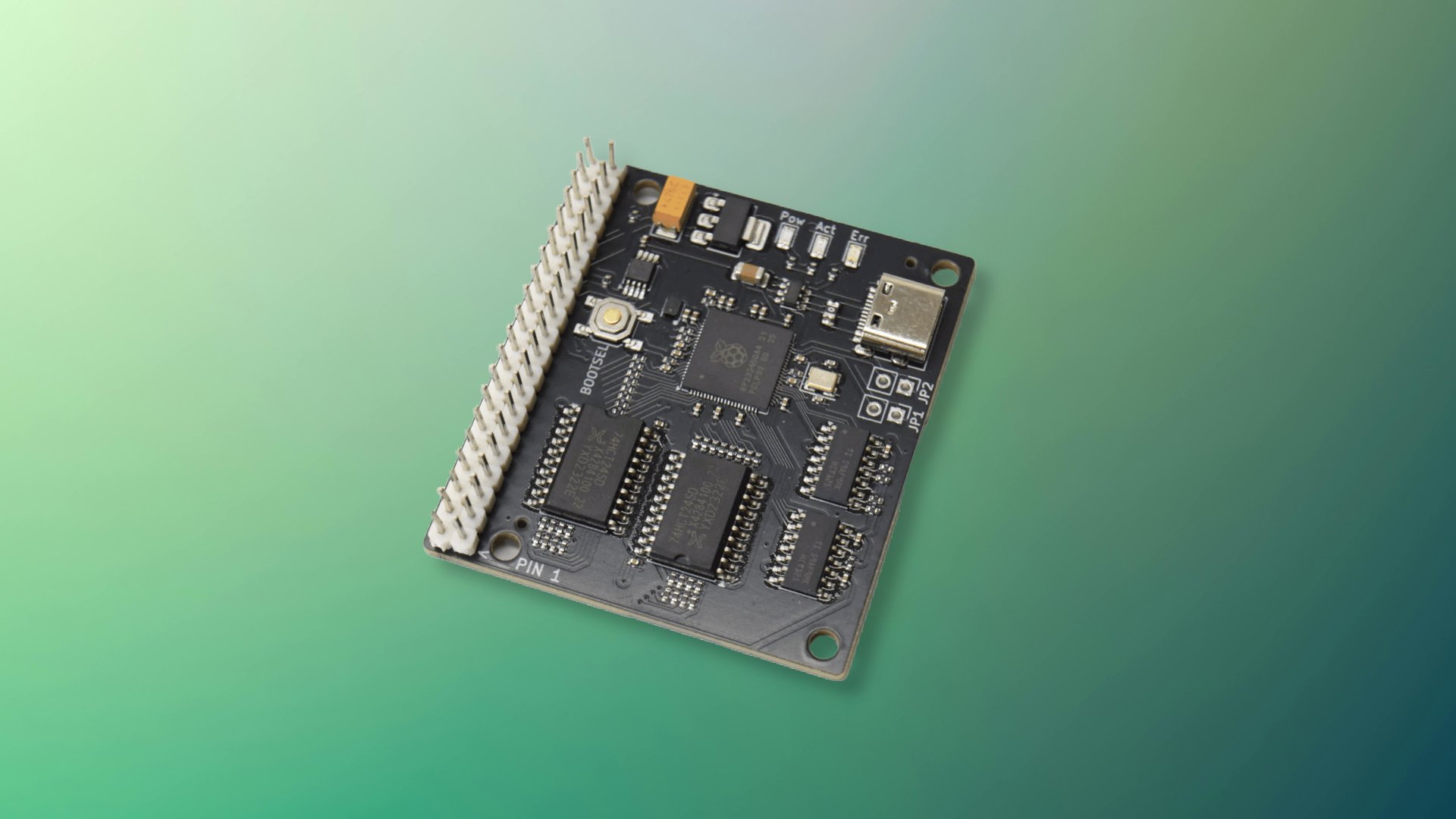
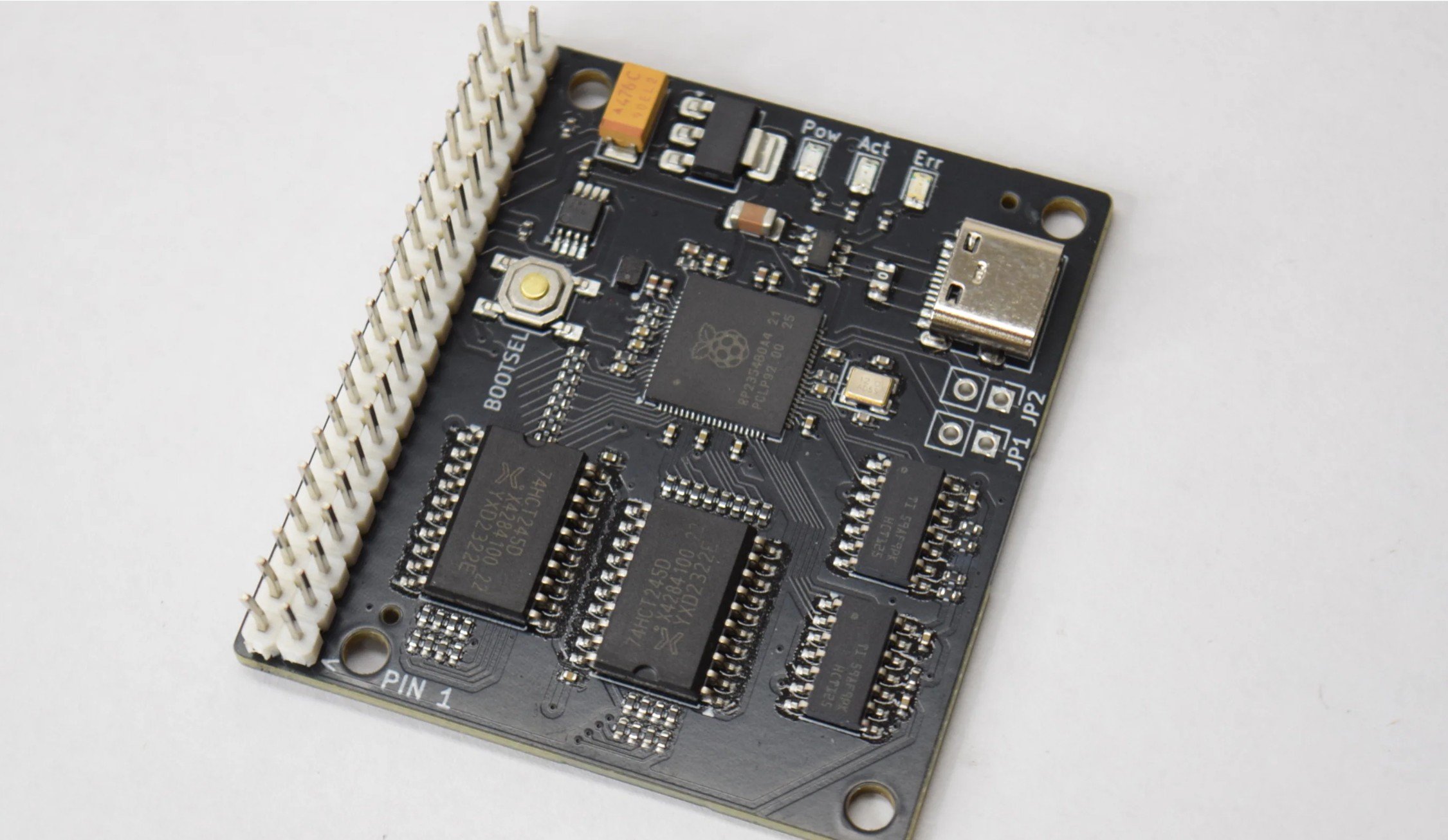
Technical Architecture The ATABoy bridge leverages the Raspberry Pi RP2350 System on Chip, the same chip found in the Raspberry Pi Pico 2 and Pico 2W. This dual-core Arm CPU runs at 250MHz and provides the computational power needed to handle the IDE protocol translation. The RP2350's onboard GPIO pins manage the physical interface between the IDE drive and the USB connection.
The PCB was designed using KiCad, an open source CAD application popular in the hardware hacking community. This choice ensures that the design remains accessible to hobbyists and professionals alike who want to modify or replicate the hardware.
Interface Capabilities ATABoy supports both CHS (Cylinder Head Sector) and LBA (Logical Block Addressing) type IDE disks, though it's optimized for CHS drives. This is particularly important because many older drives from the 1990s and early 2000s used CHS addressing exclusively.
The USB interface currently operates at USB 1.1 speeds. While this might seem limiting by modern standards, it's actually quite appropriate for the target hardware. Most legacy IDE drives that use CHS addressing were relatively small - typically only a few hundred megabytes in capacity. For these drives, USB 1.1's 12 Mbps maximum speed provides more than adequate bandwidth.
User Experience One of ATABoy's standout features is its authentic "Award" style BIOS menu. This interface is a nostalgic callback to the 1990s PC era, complete with the familiar blue background and white text that many users will remember from their first computers. The menu allows users to:
- Auto-detect drive geometry
- Manually enter CHS parameters for drives with unusual geometries
- Mount the drive for access
Once mounted, the connected PC recognizes the drive as standard USB Mass Storage, making it accessible through normal file management tools on Windows, macOS, and Linux systems.
Practical Applications ATABoy serves several important use cases:
- Data Recovery: Accessing data from old drives that might otherwise be unreadable
- Retro Computing: Running vintage operating systems and software on modern hardware
- Archival: Creating images of legacy drives for preservation
- File Transfer: Moving files from old systems to modern computers
Availability and Customization For those interested in acquiring ATABoy, JJ Dasher offers the device for $5.00 on his website. However, the project's true value lies in its open source nature. The complete schematics and bill of materials (BOM) are available on JJ's GitHub repository, allowing users to build their own versions.
Additionally, a 3D printable case designed using FreeCAD is available, providing protection for the device. This case can be printed on various 3D printers, from high-end professional models to budget-friendly options.
Technical Considerations While ATABoy works well with most legacy drives, some older disks may require manual configuration due to unusual geometries. This is particularly true for drives from manufacturers who used non-standard sector sizes or other proprietary configurations.
The device's reliance on USB 1.1 means it won't benefit from the speed improvements of USB 2.0 or later, but this limitation is acceptable given the target use case. The focus is on compatibility and reliability rather than maximum throughput.
Community Impact Projects like ATABoy demonstrate the ongoing relevance of open source hardware in preserving computing history. By making the design and firmware freely available, JJ Dasher has created a tool that not only solves a practical problem but also serves as an educational resource for those interested in hardware interfacing and legacy system support.
 The ATABoy project represents a perfect intersection of nostalgia and practicality, providing a bridge between the computing past and present while maintaining the spirit of open source hardware development.
Comments
Please log in or register to join the discussion