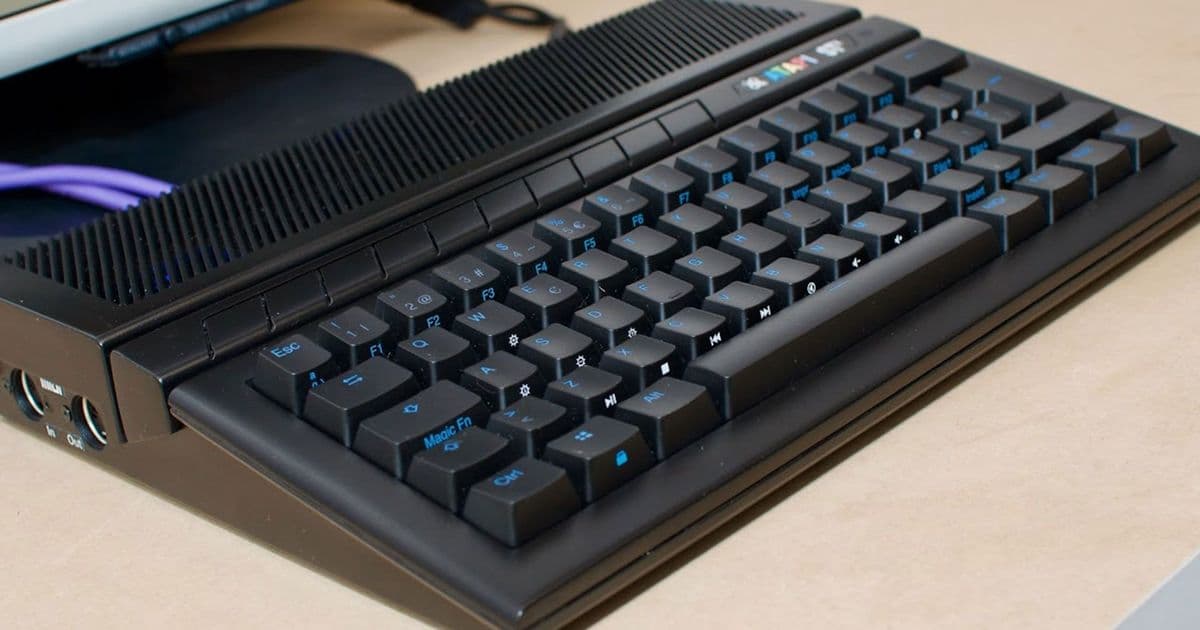
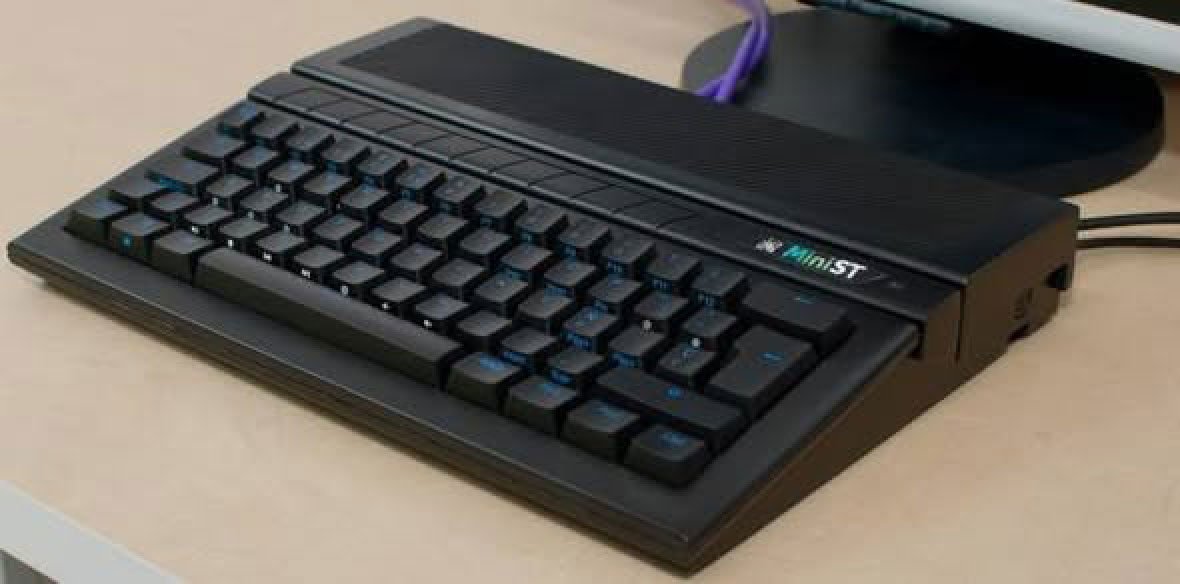
A new compact FPGA-based Atari ST recreation, the MiniST, is being produced in a limited run of five units, priced around $400. The system uses an open-source Tang Nano FPGA running the MiSTeryNano core, housed in a custom 3D-printed TKL case, and aims to deliver a cycle-exact hardware replica of the classic 16-bit computer.
An Atari ST enthusiast has unveiled plans for the MiniST, a compact, FPGA-powered recreation of the classic 16-bit home computer. The project, shared by Dennis Shaw in the Atari ST and STe users Facebook group, is a hardware-focused homage to the ST, utilizing modern open-source components to achieve a cycle-exact emulation of the original hardware. The initial production run is extremely limited, with only five fully assembled units planned for sale at approximately 350 euros (~$400 each).
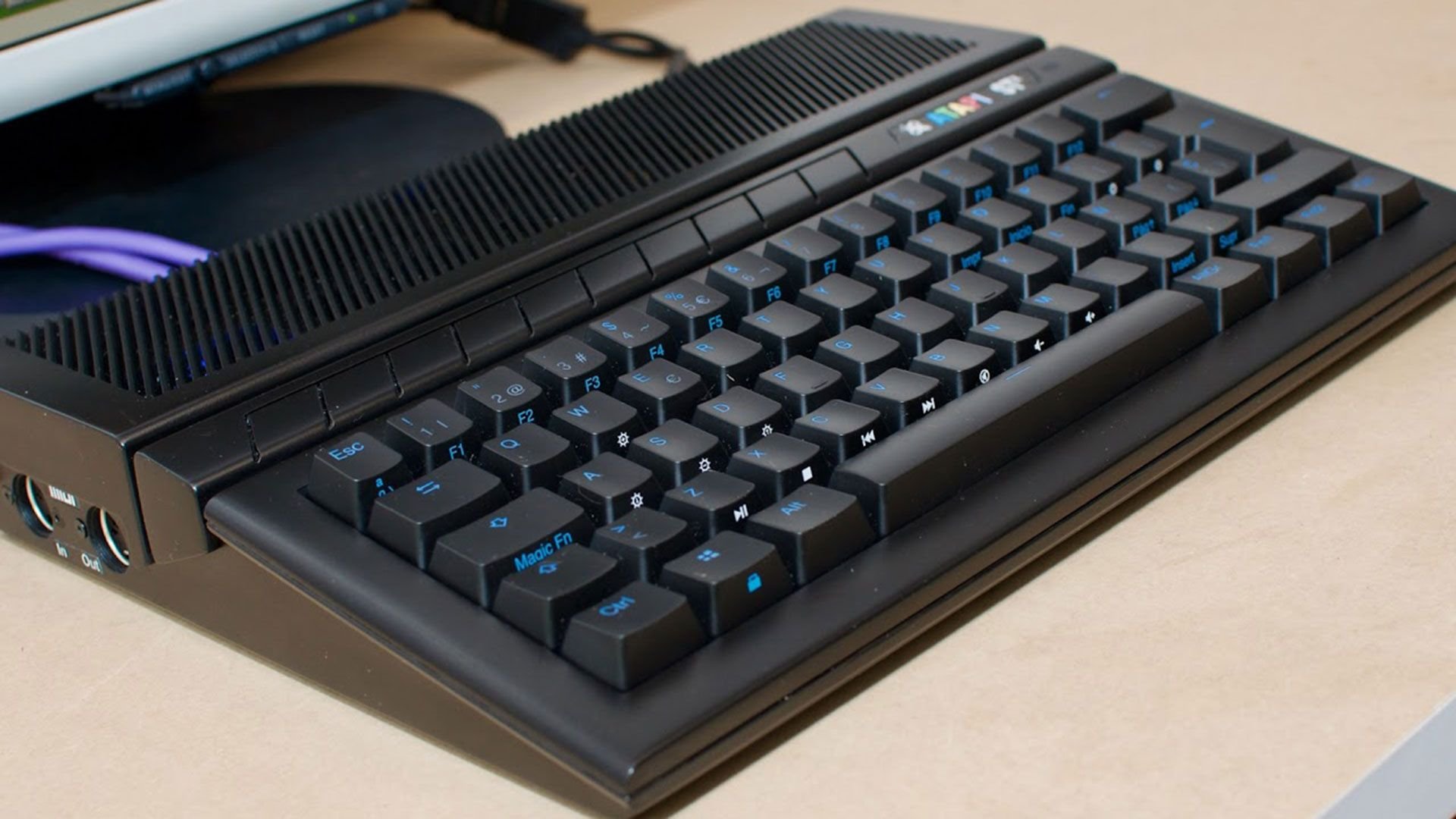
The MiniST's design is rooted in an existing open-source project. The black TKL (Tenkeyless) case is based on a Creative Commons design named "Atapi STx," originally created by beebox68k for Raspberry Pi use. Shaw has modified the design to accommodate the specific hardware of this FPGA build. The case files are freely available, and Shaw emphasizes that "all the materials are open source and can be freely obtained," encouraging makers with the requisite skills to build their own version. The time-intensive nature of manual post-processing—"it takes an awful lot of time to print, sand, and paint them"—is the primary reason for the minuscule initial batch.
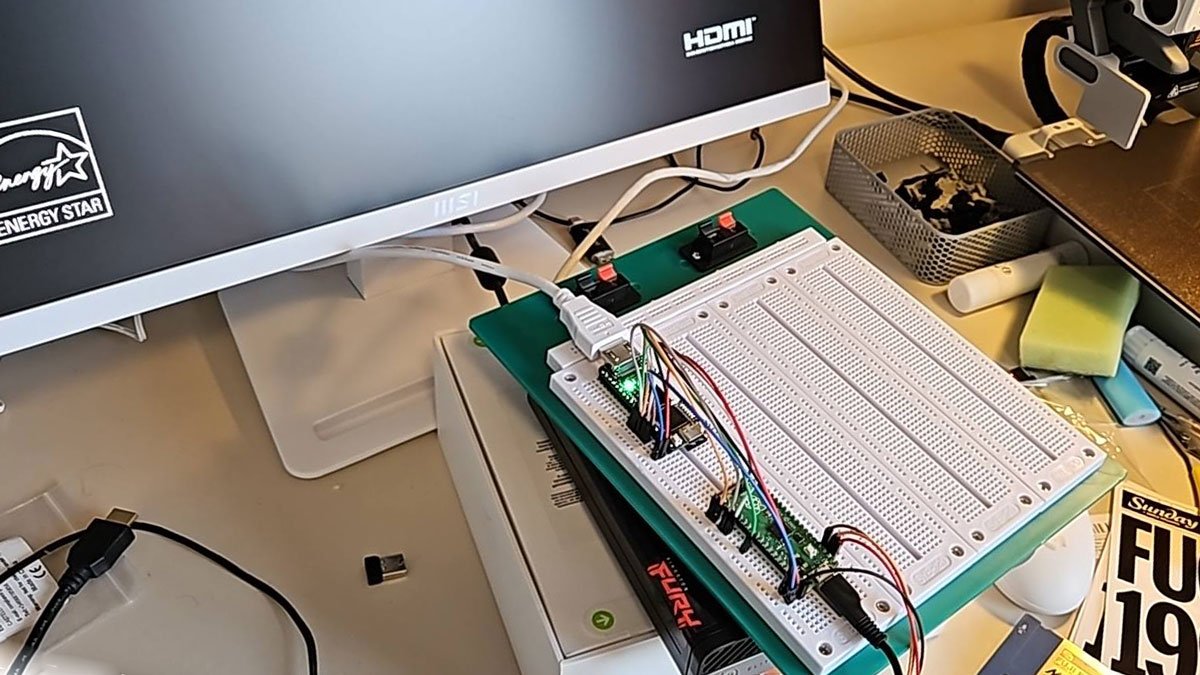
At its core, the MiniST is powered by a Tang Nano FPGA, an affordable and capable FPGA board from Sipeed. This FPGA runs the MiSTeryNano core, a port of the popular MiSTer project tailored for the Tang Nano platform. The use of an FPGA (Field-Programmable Gate Array) is critical here; unlike software emulators that interpret the original system's instructions, an FPGA recreates the original hardware's logic gates and timing in silicon. This results in a "cycle-exact" replication of the 8 MHz Motorola 68000 CPU and associated chipset, offering a level of accuracy and authenticity that software emulation cannot match. This approach is similar to other high-fidelity retro computing projects like the MiSTer FPGA for Amiga and Commodore 64.
According to the specifications shared by Shaw, the MiSTeryNano core provides a complete hardware recreation of the Atari ST. Key features include:
- CPU & Chipset: A cycle-exact 8 MHz 68000 CPU and a full replica of the ST's chipset, including the Blitter chip for graphics operations.
- Video: Support for both color and monochrome video modes, output via HDMI.
- Audio: Emulation of the YM2149 sound chip and STE DMA audio, also output via HDMI.
- Storage: Support for ASCI (Atari's proprietary SCSI variant) for hard disk emulation.
- Connectivity: Physical MIDI-IN and MIDI-OUT ports, a crucial feature for the ST's legacy in music production. Input devices (mouse, keyboard, joystick) are mapped to USB.
The system also incorporates an RP2040 microcontroller from Raspberry Pi, which acts as a companion chip to handle the On-Screen Display (OSD), USB host functionality, and other auxiliary tasks.

The market implications of such a niche, enthusiast-driven project are significant for the retro computing community. While commercial companies like Cloanto or Hyperion Entertainment sell software emulators and licensed ROMs, hardware recreations like the MiniST cater to a different segment of purists who value physical hardware and FPGA accuracy. The project's popularity within the dedicated Atari ST Facebook group suggests a strong, underserved demand for modernized hardware of this iconic platform.
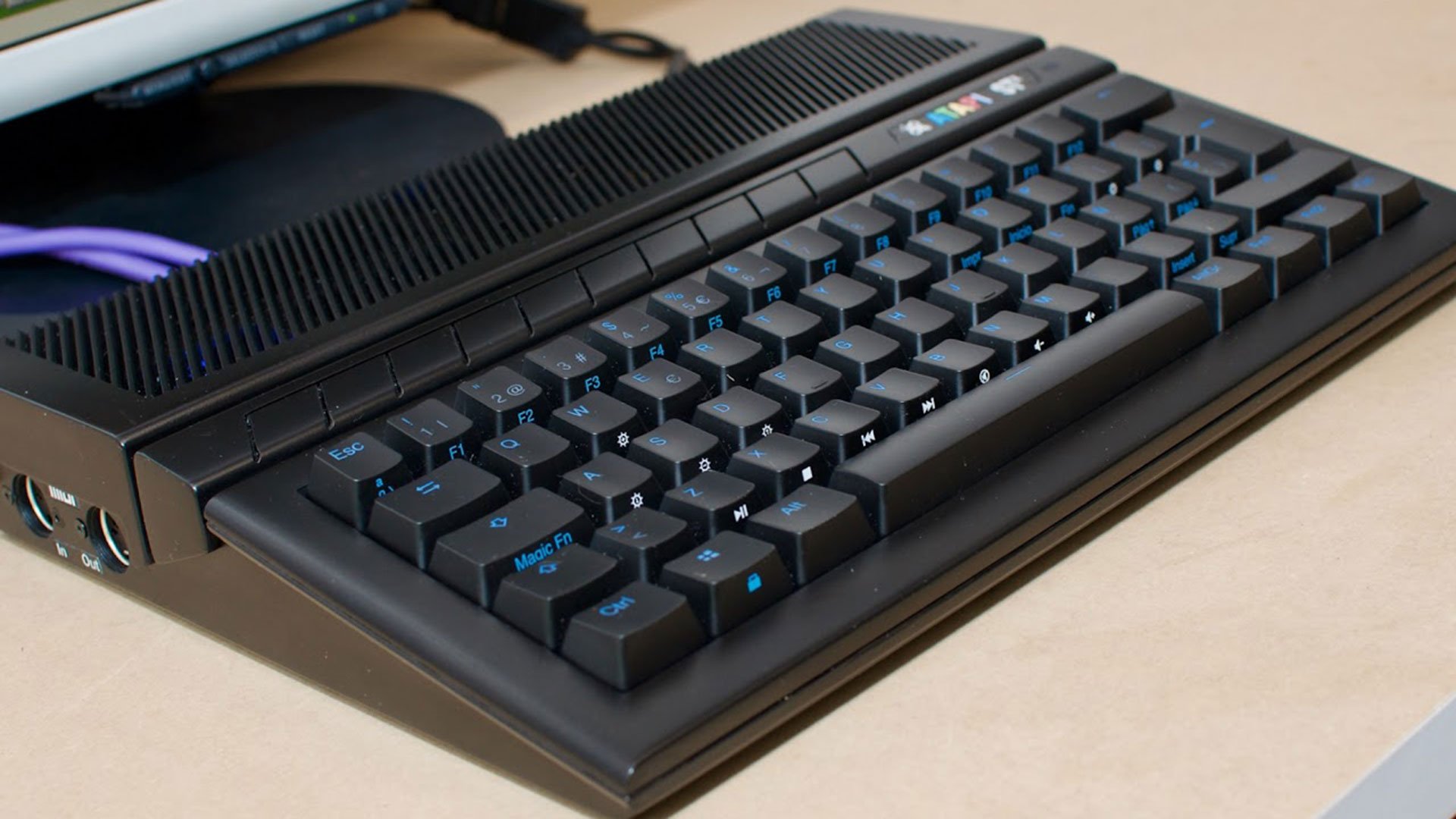
The MiniST represents a broader trend in retro computing: the democratization of hardware recreation through open-source FPGA cores and 3D printing. By sharing all design files and component sources, Shaw's project lowers the barrier for entry, allowing a global community of hobbyists to participate. While the initial run of five units is a proof-of-concept, it demonstrates a viable path for more scalable production. If demand persists, it could inspire a larger-scale effort, potentially following the model of successful projects like the Commodore 64 Ultimate or the Amiga 500 Mini, which brought the classic hardware experience to a modern audience with polished, mass-produced designs. For now, the MiniST stands as a testament to the enduring legacy of the Atari ST and the innovative potential of the open-source hardware community.
Comments
Please log in or register to join the discussion